Tragic End for Grand National Winner Gold Dancer
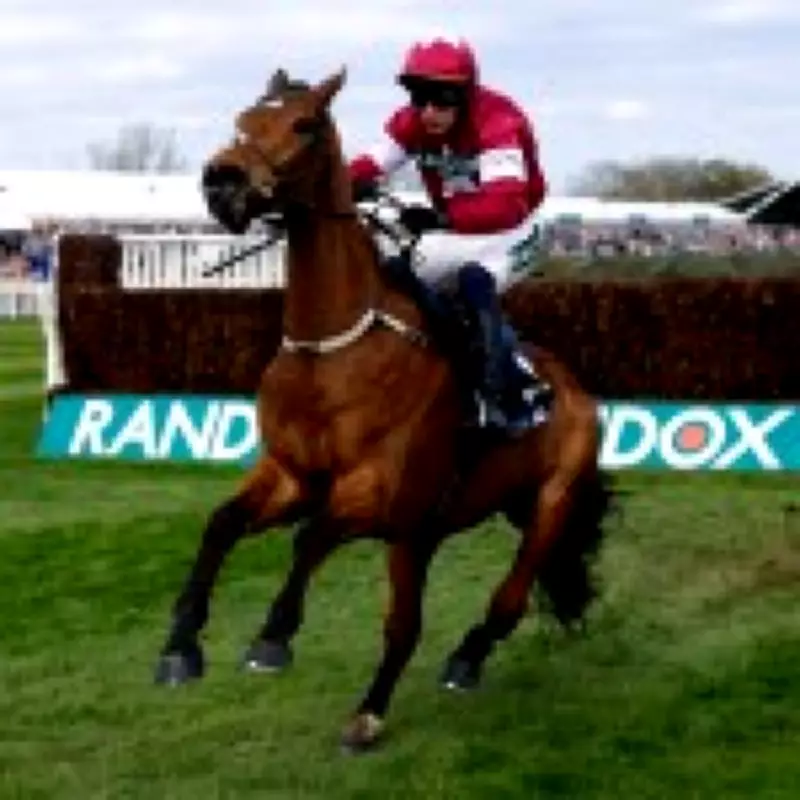
In a heartbreaking turn of events at the Grand National Meeting, the horse Gold Dancer was euthanized after winning the Mildmay Novices’ Chase with a broken back. The incident occurred on Friday during day two of the prestigious event at Aintree Racecourse, casting a shadow over the celebrations.
Details of the Race and Injury
Gold Dancer, a seven-year-old gelding, dragged his back legs through the final fence and landed awkwardly during the race. Despite the severe injury, jockey Paul Townend rode him out to victory, using his whip after the fall. Immediately after crossing the finish line, Townend dismounted, and veterinary screens were erected as experts rushed to treat the horse. Sadly, it was announced shortly thereafter that Gold Dancer could not be saved due to the broken back.
Eddie O’Leary, representing the horse's owners Gigginstown, expressed profound sadness, stating, He’s been put down. He broke his back. It’s terribly sad for the horse. O’Leary defended Townend, questioning what more the jockey could have done, noting that the horse felt fine until after the race.

Stewards’ Enquiry and Defense of Jockey
A stewards’ enquiry was conducted post-race, concluding that no action would be taken against Paul Townend for continuing to ride the injured horse. The report detailed that Townend explained Gold Dancer made a bad mistake at the last fence, took a few strides to recover, and only showed signs of distress when transitioning to a trot near the pull-up area. The Director of Equine, Safety, and Welfare reviewed footage and supported Townend's account, describing the horse's action as typical for a three-mile chaser in the final stages.
Former jockey Lizzie Kelly also came to Townend's defense, emphasizing the challenges jockeys face in assessing a horse's condition during a race. She told talkSPORT, I think what is really important to remember is that obviously as a jockey, you don’t really have a huge amount of information when you’re on top of the racehorse. Kelly believes Townend eased the horse down as best he could upon realizing something was wrong, highlighting the adrenaline and difficulty in detecting such injuries.
Animal Rights Criticism and Calls for Boycott
In response to the tragedy, animal rights organizations voiced strong criticism of horse racing. Emma Slawinski, chief executive of the League Against Cruel Sports, condemned the event, stating, Year after year we see horses dying at Aintree for people’s entertainment and a cheap bet. She called for a public and business boycott of the Aintree Festival, urging people to stop betting, watching coverage, and supporting advertising that glosses over animal cruelty.
Animal Aid issued a statement declaring, The fact that the ‘winner’ of this race was dead minutes later proves that this so called “sport” has no winners. The group highlighted that injuries and deaths are common in racing, occurring on average every other day nationwide, and called for a boycott of the sport.
Aintree's Response and Previous Incidents
Aintree Racecourse released a statement expressing condolences, saying, Our heartfelt condolences are with his connections. The racecourse confirmed that Gold Dancer was attended to immediately by veterinary teams but could not be saved. This incident follows the deaths of horses Willy De Houelle and Celebre D’Allen at Aintree last year, raising ongoing concerns about safety in the sport.
The debate continues between supporters of horse racing, who emphasize the sport's traditions and economic benefits, and animal welfare advocates, who push for stricter regulations or outright bans to prevent such tragedies.