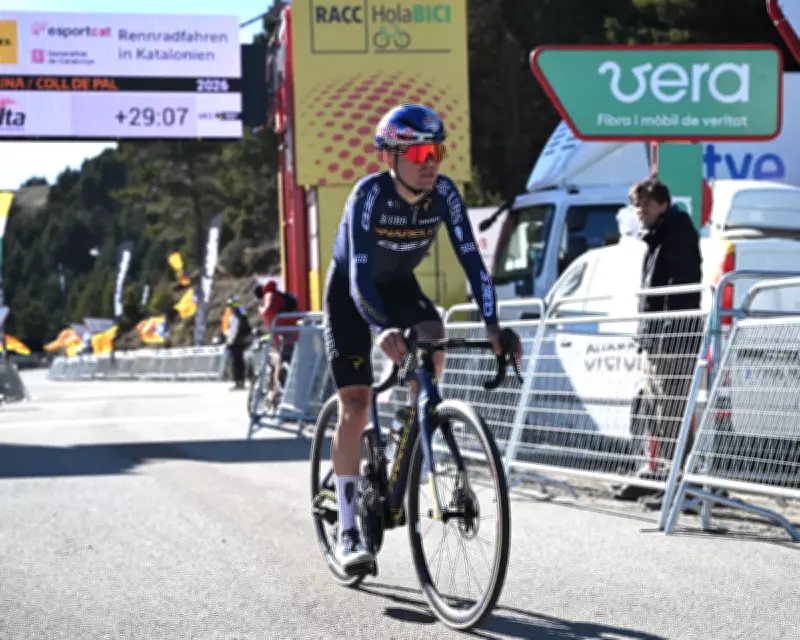
Tom Pidcock Forced to Exit Volta a Catalunya After Terrifying Ravine Descent Crash
In a dramatic turn of events at the Volta a Catalunya, British cycling star Tom Pidcock has been compelled to withdraw from the prestigious race following a harrowing crash that saw him plummet down a steep ravine. The incident occurred during a high-speed descent, casting a shadow over the competition and raising immediate concerns for the athlete's well-being.
Details of the Crash and Immediate Aftermath
The crash unfolded as Pidcock navigated a treacherous downhill section of the race route. Reports indicate that he lost control on a sharp bend, leading to a fall that sent him tumbling into a deep ravine. Emergency services were swiftly dispatched to the scene, where they worked to extract the cyclist from the rugged terrain. Initial assessments suggest Pidcock sustained significant injuries, though specific details on their nature and severity remain under evaluation by medical teams.
This incident has sent shockwaves through the professional cycling community, with many expressing relief that the situation was not more catastrophic given the dangerous nature of the terrain. The Volta a Catalunya organisers have confirmed Pidcock's withdrawal from the race, emphasising that his health and recovery are the top priorities. The race will continue, but Pidcock's absence is a notable blow to the event's competitive landscape.

Impact on Pidcock's Career and Upcoming Events
Tom Pidcock, known for his versatility across road cycling, mountain biking, and cyclocross, was a key contender in the Volta a Catalunya, with high expectations for a strong performance. His withdrawal not only affects his immediate racing schedule but also raises questions about his participation in upcoming events, including potential preparations for major championships later in the season. The cycling world is now closely monitoring his recovery progress, with fans and fellow athletes offering support and well-wishes for a speedy return to form.
This crash underscores the inherent risks in professional cycling, particularly during high-speed descents where split-second decisions can lead to severe consequences. It highlights the importance of safety protocols and the bravery of riders who navigate such challenging courses. As Pidcock focuses on rehabilitation, the incident serves as a stark reminder of the physical demands and dangers faced by elite cyclists in their pursuit of victory.