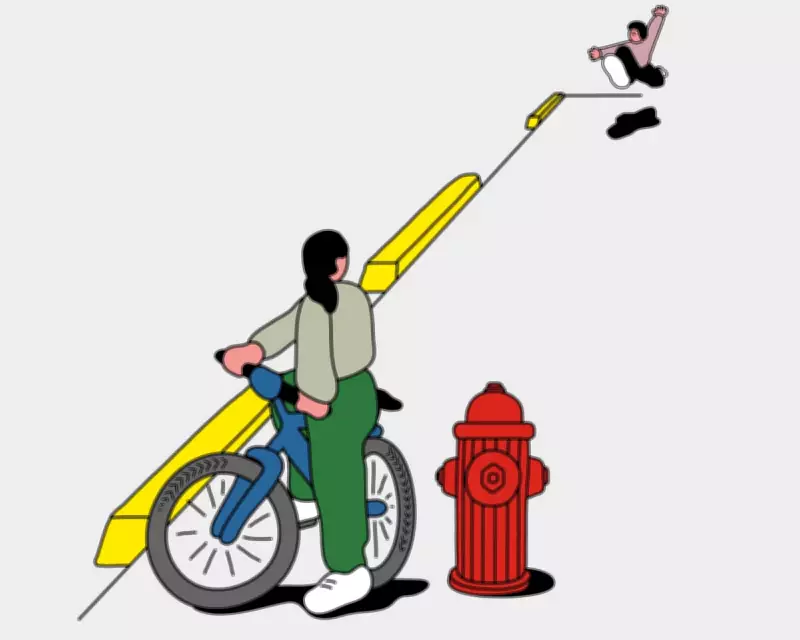
In the heart of Berlin, a domestic debate is unfolding between spouses Frida and Frantz, centred on their preferred modes of urban transport. Frida advocates for cycling as a swift and enjoyable way to navigate the city, while Frantz cherishes the slow, immersive experience of walking. This disagreement highlights broader themes of time management, personal discovery, and compromise in relationships.
The Case for Cycling: Frida's Perspective
Frida expresses a strong preference for cycling over walking in Berlin, where the couple has resided for twelve years. She argues that bicycles offer a quicker and more efficient means of travel, allowing for greater exploration of the city's diverse trails and parks. "Walking is boring; I find it monotonous," she states, emphasising that cycling often leads to unexpected discoveries and new routes, unlike the repetitive nature of pedestrian paths.
Additionally, Frida points out that cycling saves valuable time, particularly during Berlin's cold winters, making it a practical alternative to walking. She dismisses the idea that her lateness motivates this choice, instead framing it as a desire to maximise every moment. "Cycling is my attempt to make the most of every moment," she explains, rejecting the notion that slowness is inherently virtuous. Despite occasional compromises with Frantz, she believes cycling provides a superior journey, enabling more time to enjoy destinations.
The Defence of Walking: Frantz's Viewpoint
Frantz counters Frida's arguments by championing walking as a superior method for urban discovery. He appreciates the leisurely pace that allows for spontaneous stops, such as grabbing a coffee or browsing local shops, which he feels are missed when cycling. "You can stop and say, 'Let’s grab a coffee,' or 'Can we buy a book here?'" he notes, highlighting how walking reveals the character of neighbourhoods.
He attributes Frida's cycling preference to her habitual lateness, suggesting it is an attempt to compensate for delays rather than a genuine love for the activity. "Frida wants to go quickly to make up for being too slow to leave, but that’s her problem, not mine," he asserts. Frantz also touches on cultural differences, joking about Frida's relaxed Caribbean upbringing versus his time-conscious white family background, though he acknowledges these as light-hearted observations.
While open to occasional cycling for harmony, Frantz believes Frida needs to improve her punctuality overall. He values the journey itself over rushing to destinations, and at their age, he doubts her internal pace will change, but remains hopeful.
Guardian Readers' Verdict
A panel of Guardian readers offered diverse opinions on the dispute. Josquine, 80, suggested that punctuality and transport choices are personal matters, advocating for independence within marriage. John, 69, felt the lateness issue was irrelevant and proposed compromise through shared cycling with exploratory routes.
Eddie, 46, argued that Frantz should not sacrifice his walks due to Frida's timeliness, recommending scheduled times for each mode. Ruby, 24, and Friederike, 60, both favoured taking turns or starting separately to accommodate both preferences, emphasising equality in their valid viewpoints.
Broader Implications and Poll Results
This case reflects wider discussions on urban mobility and relationship dynamics. Readers are invited to participate in an online poll to decide whether Frantz should adopt cycling more frequently, with results to be announced. In a previous poll, 95% found Edwin guilty for expecting his wife at all family gatherings, showcasing how such domestic disputes resonate publicly.
Ultimately, Frida and Frantz's transport tiff underscores the balance between efficiency and leisure in city life, inviting reflection on how couples navigate differences in daily routines.