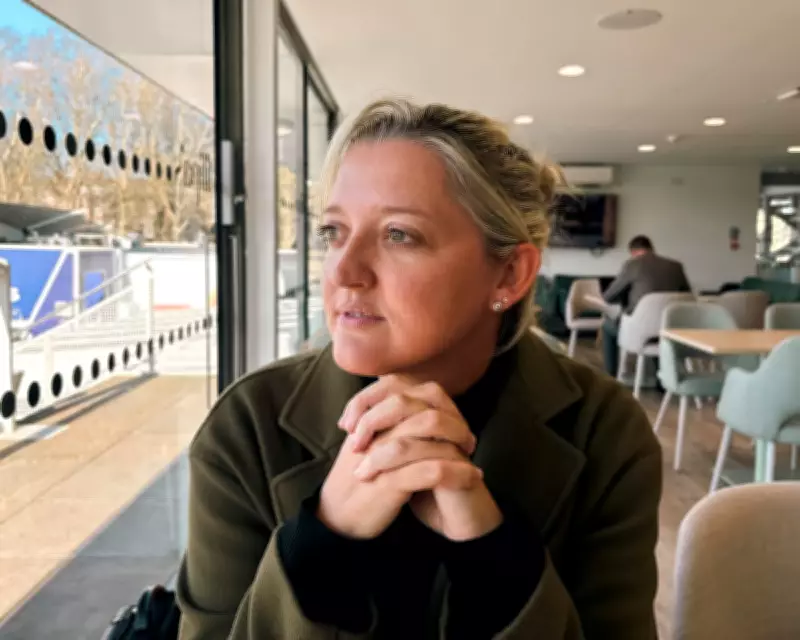
Sarah Taylor, a former England cricketer, made a significant impact on the sport, appearing in 10 Tests, 126 ODIs, and 90 T20s between 2006 and her retirement in 2019. Her career, marked by brilliance and challenges, has taken a new turn as she now coaches with Andrew Flintoff for the England Lions, navigating a path from anxiety to a renewed passion for cricket.
Overcoming Anxiety and Embracing Coaching
Taylor's retirement in 2019 came early due to severe performance-based anxiety and agoraphobia, which made even simple tasks like boarding a flight seem impossible. She described cricket as a "stupid game" but also "lovable," reflecting her complex relationship with the sport. After retiring, she found peace and gradually re-engaged with cricket through coaching opportunities.
Her return began with a call from the ECB's performance director, Ed Barney, inviting her to join the England Lions on tour in South Africa. Despite initial fear, Taylor accepted immediately, marking a pivotal moment in her journey. She has since worked closely with Andrew Flintoff, focusing on wicketkeeping and fielding drills, and has been involved in tours to places like Abu Dhabi, where she faced challenging situations with resilience.

Building a Bond with Andrew Flintoff
Taylor and Flintoff have developed a strong working relationship, with Taylor praising his genuine care for players and ability to lead under pressure. She noted, "If Fred speaks, you do not want to be the person speaking afterwards," highlighting his influence and the positive impact of his reintegration into English cricket. Their collaboration continues into the summer, emphasizing her growing role in men's cricket coaching.
Taylor's coaching philosophy centers on universal skills, stating that keeping techniques apply regardless of gender, though she acknowledges differences in emotional expression between men and women. She has faced some residual sexism but remains committed to individual-focused coaching, drawing on her extensive experience as one of the best wicketkeepers in the world, as acknowledged by legends like Adam Gilchrist.
Reflections on Career and Legacy
Looking back, Taylor expressed no regrets about her career timing, despite the financial disparities in women's cricket today. She played in an era where players paid their way, but she values the ups and downs that shaped her journey. Her proudest moments include winning the World Cup in 2017, a achievement she managed despite ongoing anxiety struggles.
She recalled panic attacks and agoraphobia during her playing days, which stemmed from performance pressure. However, through coaching and personal growth, she has learned to manage these challenges, now able to travel and participate in events like cricket auctions without hesitation. Taylor's story serves as an inspiration, showing that recovery is possible and that cricket continues to evolve, offering new opportunities for former players.
Today, Taylor is actively involved in the sport, from coaching with the Lions to participating in auctions for teams like Manchester Super Giants. She remains a unique figure in cricket, bridging gaps between men's and women's games and advocating for mental health awareness. Her journey underscores the importance of resilience and the enduring love for a game that once seemed overwhelming.