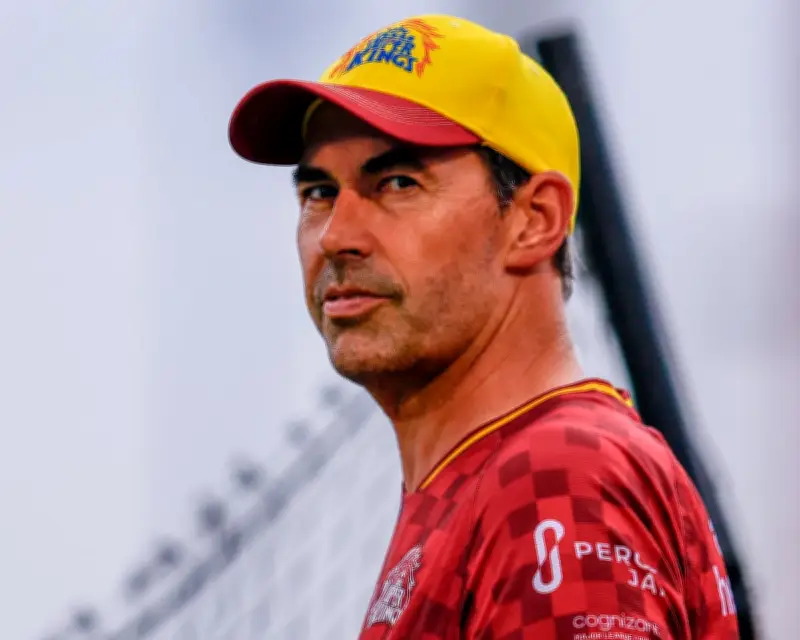
Stephen Fleming's appointment as England's Test coach marks a pivotal moment for the team, offering a chance to reset after a chaotic eight months that saw them lose the Ashes in Australia, a home series against New Zealand, and both a captain and a coach. Managing director of men's cricket Rob Key, speaking on Friday, outlined a vision for a team that not only wins consistently but also prepares future captains and coaches, aiming to emulate Australia's sustained success.
Key's Vision for Sustained Success
Rob Key, who has been in his role since April 2022, acknowledged the need for long-term planning. "You try and set things up so that you have the best chance of success – but not only success, to sustain success," Key said. "That's what English cricket's got to do. We have moments where we win series. Australia has success and repeats it. That's what we need to do. We can't just have … a brilliant two or three years. We need it to be better than that."
Key's comments come as he admitted that England's recent struggles have highlighted the need for better preparation of future leaders, both on and off the field. The appointment of Fleming, who is a close friend of the ousted coach Brendon McCullum, is seen as a strategic move to address this gap.

Fleming's Qualifications and Immediate Plans
Fleming, despite his previous focus on white-ball cricket, is considered an eminently qualified coach with broad experience of the English game. "I've never met anyone who said a bad word about his leadership," Key said of Fleming. His first act after being appointed, however, will be to take a family holiday, with his official duties beginning in September, just before England's Test series against Pakistan.
Key emphasized that Fleming's role extends beyond immediate results. "One of the first things he spoke about was actually that we have a duty to bring coaches through, to upskill, to give them experiences," Key said. "We've tried to make a lot of moves in how we educate our coaches, how we get the best people qualified, educated to do it. Now it's not happened quick enough, but that's a massive part of what we're going to try and do."
Addressing the Leadership Vacuum
The decision to return the Test captaincy to Joe Root, at 35, has highlighted a lack of alternatives. Key acknowledged that players like Zak Crawley and Ollie Pope were being prepared for leadership roles, but their form prevented them from staying in the side. "The shame is their form got in the way of them being able to stay in the side," Key said. "Then that void wouldn't have been there as much. I think we would have had two outstanding leaders … We've got leaders, they're just in the white-ball setup at the moment."
Key also pointed to the example of Jacob Bethell, who was given a chance to captain the T20 tour of Ireland last year at just 21, but is not yet ready to lead the Test team. Harry Brook, at 27, was also deemed not ready. "All of this happened a little bit too soon, probably," Key admitted.
Looking Forward with Optimism
Despite the recent setbacks, Key remains optimistic about the future. "I'm as optimistic as ever that we've got the best people to take English cricket forward," he said. "I feel like we've had a speed bump in Test cricket over the last six months, but there's so much potential."
Fleming's appointment is seen as a chance to draw a line under the past four years, which included spectacular success followed by an equally spectacular unravelling. With a focus on doing the basics well and developing a pipeline of future leaders, England hope to build a team that can sustain success rather than just enjoy fleeting moments of glory.