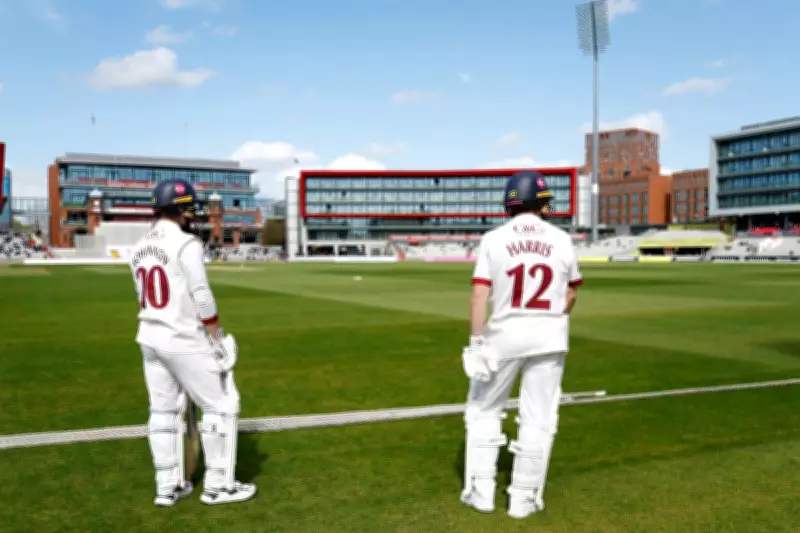
Lancashire have found themselves at the center of controversy surrounding the trial of injury replacements in the County Championship, with the club facing frustration over subjective decisions by match referees. The new rules, which allow teams to replace players affected by injury, illness, or significant life events, have led to several contentious rulings that have left Lancashire feeling hard done by.
The New Substitute Rule
This season, teams in the County Championship can replace a player who suffers from injury, illness, or a significant life event, expanding existing allowances for concussion or England call-ups. Subject to approval by the match referee and documentation from the team doctor, a change can be made at any point in a match with no cap on numbers. However, the trial has not been without its problems.
Lancashire's Experience
In successive matches, Lancashire were told that the cricketer they chose to leave out of their XI was too good or too experienced to replace the one who got the nod. First, Ajeet Singh Dale pulled a hamstring in just his second over against Gloucestershire, and Lancashire tried to substitute Tom Bailey, a similar right-arm fast-medium new-ball bowler. However, Bailey's greater age and experience led to a refusal, forcing Lancashire to settle for Ollie Sutton, a left-arm medium all-rounder who bowled only 12 overs in the match.

Then, against Durham, Lancashire lost Arav Shetty, a young right-arm spin-bowling all-rounder, to a fractured thumb on day two. Their attempt to bring in Tom Hartley was blocked because of his 40 more first-class games and five Test caps, despite Hartley being a left-arm spinner. Instead, George Bell, a wicketkeeper-batter who bowls occasional off-spin, was brought in. Lancashire lost that match in part due to the lack of a frontline spinner, which put extra strain on their seamers and reduced their threat on a day four pitch.
Subjective Judgments
The playing regulations require replacements to be "like for like (or sufficiently close)" but make no mention of the incoming player's ability, age, experience, or reputation. This has led to match referees making subjective judgments, weighing up-and-comers against seasoned professionals and effectively critiquing selection. For instance, part of the decision to block Tom Bailey was that he had bowled better than Ajeet Singh Dale the week before, according to match referee Peter Such.
Hampshire's head coach, Russell Domingo, even joked about slipping an underperforming player laxatives to get him ruled out with illness, highlighting the potential for manipulation. The trial is one of several encouraged by the International Cricket Council, but England's rules are more permissive than elsewhere. India only permitted replacements for external injuries in their Ranji Trophy trial, while Australia allowed soft-tissue injuries but not illness, with a tighter system that allowed only one change per side within the first two days.
Comparison with Other Countries
In England, there have been 16 replacements for injury or illness (plus another for concussion) across 29 fixtures to date, compared to seven replacements across 31 games in the Sheffield Shield. The eight-day stand-down rule in England, shorter than Australia's 12-day rule, may also encourage more replacements. Six replacements occurred in the second round before half of the counties went on a break, a threefold increase from the first week.
Broader Implications for Test Cricket
The England and Wales Cricket Board (ECB) has stressed that this is a trial and that grey areas and shortcomings were expected. However, the final system that emerges should not be the only question. The sport should seriously consider whether it wants injury replacements in Test cricket beyond those for concussion. Such a move would significantly alter the fabric of Test cricket, which is fundamentally a test of collective endurance, fitness, hardiness, and courage, not just temperament and technique.

While well-meaning, injury replacements could lead to teams gambling on player fitness or creating reasons for fresh legs mid-match. The remarkable career of Jimmy Anderson, who played 188 Tests and is still leading wicket-taker in county cricket at age 43, serves as a reminder of the physical conditioning required. As Lancashire captain denied being grumpy, Anderson can at least smile that 704 Test wickets mean any bowler can now replace him, contrary to predictions after his retirement from England.