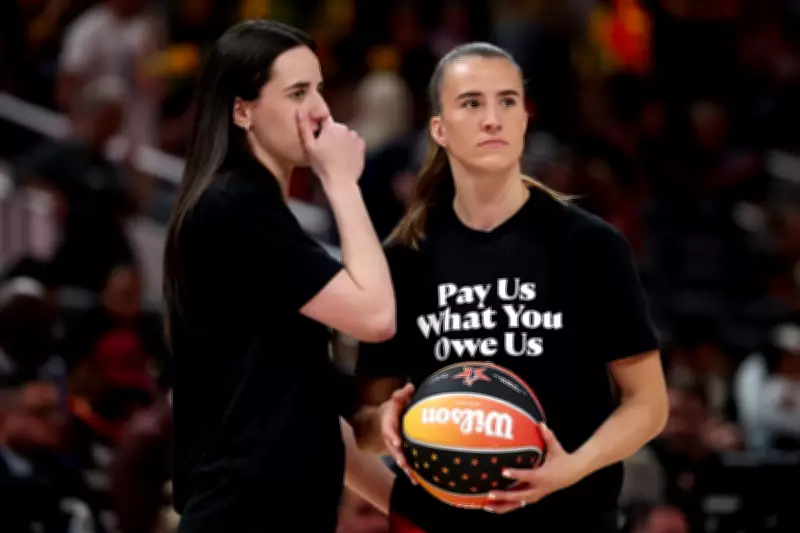
WNBA's New Labor Deal: A Landmark for Player Pay and League Growth
After 17 months of intense negotiations, the WNBA and its players' union, the WNBPA, have reached a verbal agreement on a new collective bargaining agreement. This development ends fears of a potential strike and sets the stage for transformative changes in player compensation and league operations. The agreement, which still requires formal ratification, is being hailed by both sides as a major advancement for player empowerment and the sustainable growth of the league.
Understanding the Collective Bargaining Agreement
A collective bargaining agreement, or CBA, is a legal contract that governs the relationship between a league and its players. It outlines rules on salaries, benefits, working conditions, and overall league management. The previous WNBA CBA was signed in January 2020 and expired in October 2025, prompting these recent negotiations to establish a new framework for the future.
Key Details of the Agreement
Negotiations centered on two critical issues: revenue sharing and housing benefits. Players initially sought 40% of total league revenue, later adjusting to 26%, while the league proposed around 70% of net revenue. On housing, the union aimed to maintain coverage for all players initially, with a phase-out for top earners, whereas the league suggested limiting it to rookies and minimum-salary players after the first year.
Early reports indicate significant financial gains for players, though official confirmation is pending. According to ESPN, the salary cap could rise to approximately $7 million, up from $1.5 million. Players might receive about 20% of league revenue, with top salaries reaching $1.4 million, average salaries around $600,000, and a minimum of $300,000. These changes reflect a substantial shift in how player compensation is structured.
Impact on Players and the League
Both sides describe the deal as a mutually beneficial outcome. Commissioner Cathy Engelbert called it "a fair win-win for all," while union leaders emphasized its role in securing long-term progress. Union president Nneka Ogwumike noted that the fight was largely about "the next generation," aiming to propel the league forward over the coming decade. This agreement is expected to enhance player benefits, facilities, and working conditions across the board.
Comparison to Other Leagues
While direct comparisons to the NBA are less relevant due to differences in history and revenue, the new WNBA deal positions its players among the highest-paid in women's professional sports. For context, the National Women's Soccer League has a minimum salary of $50,500, set to increase to $82,500 by 2030, and the Professional Women's Hockey League operates with a team salary cap of about $1.3 million. The WNBA's reported terms represent a significant step forward within the landscape of women's athletics.
Operational Implications
The league confirms that the 30th season will proceed as scheduled, with training camps opening on April 19, preseason games starting on April 25, and the regular season tipping off on May 8. The 2026 draft is set for April 13, and expansion drafts for new teams in Toronto and Portland, along with free agency, will commence once paperwork is finalized. This deal is expected to bring stability for several years, reducing the likelihood of immediate future negotiations.
Broader Trends in Women's Sports
This agreement is part of a larger movement across women's sports, where athletes are advocating for better pay, improved working conditions, and a fairer share of revenue. Similar efforts have been seen in soccer, hockey, and other sports, driven by increased visibility and fan support. The WNBA's recent surge in popularity, with record attendance and TV viewership in 2025, bolstered players' leverage during negotiations, highlighting how growing interest can translate into tangible gains for athletes.
In summary, the new WNBA CBA marks a pivotal moment for the league, offering enhanced financial rewards and setting a precedent for empowerment in women's sports. As details are finalized and implemented, it promises to reshape the future of professional basketball for players and fans alike.