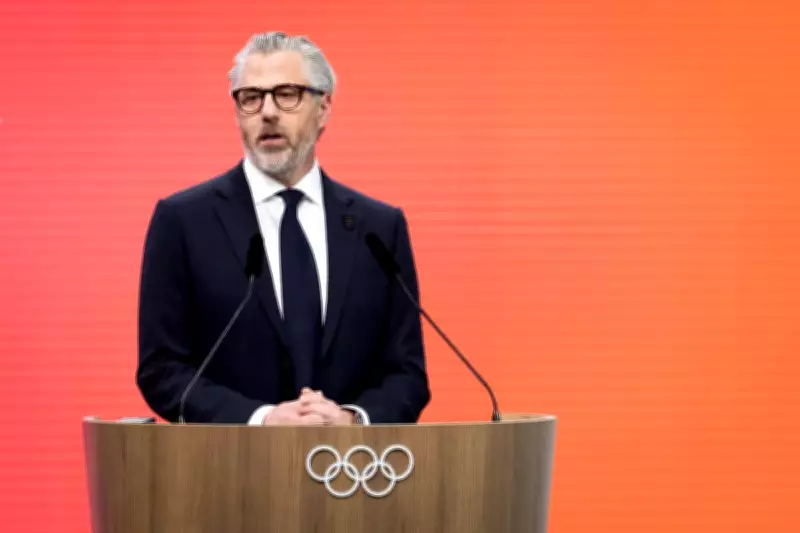
The role of Casey Wasserman, a prominent figure in the 2028 Los Angeles Olympics organising committee, has come under intense scrutiny following revelations about his past business connections with Ghislaine Maxwell. This development has sparked a broader debate about ethical standards and governance within major international sporting events.
Background of the Controversy
Casey Wasserman, a well-known sports executive and philanthropist, has been a central player in the planning and execution of the 2028 Los Angeles Olympics. His involvement includes significant responsibilities in fundraising, logistics, and public relations for the event. However, recent reports have highlighted his previous business dealings with Ghislaine Maxwell, who was convicted in 2021 for her role in facilitating sex trafficking and other crimes.
Details of the Business Links
According to sources, Wasserman and Maxwell were involved in joint ventures and social engagements in the early 2000s, primarily through entertainment and media projects. These ties, while not directly linked to Maxwell's criminal activities, have raised concerns due to the association with a convicted felon. Critics argue that such connections could tarnish the reputation of the Olympics, an event that prides itself on integrity and global unity.
Implications for the 2028 Olympics
The scrutiny over Wasserman's past has led to calls for greater transparency and ethical vetting within Olympic organising committees. Stakeholders, including sponsors and athletes, are questioning whether his continued involvement might impact the event's credibility. Some have suggested that this situation underscores the need for stricter background checks and conflict-of-interest policies in sports governance.
Responses from the Olympic Community
In response to the controversy, representatives from the Los Angeles Olympic committee have emphasised Wasserman's contributions and his commitment to the event's success. They have stated that his past associations are being reviewed, but no immediate changes to his role are planned. Meanwhile, advocacy groups and some members of the public are urging for a more thorough investigation to ensure that the Olympics maintain high ethical standards.
Broader Context in Sports Ethics
This incident is part of a larger trend where sports organisations face increasing pressure to address ethical lapses and governance issues. From corruption scandals in FIFA to doping controversies in athletics, the sports world is grappling with how to balance commercial interests with moral responsibilities. The Wasserman-Maxwell connection adds another layer to this ongoing discussion, highlighting the potential risks of overlooking personal histories in high-profile appointments.
As the 2028 Olympics approach, the focus on Wasserman's role is likely to intensify, with potential impacts on sponsorship deals, public perception, and the overall legacy of the games. Observers note that how this situation is handled could set a precedent for future sporting events in terms of accountability and ethical oversight.