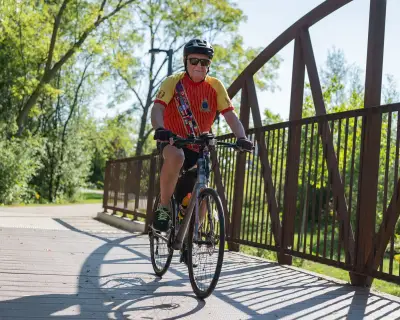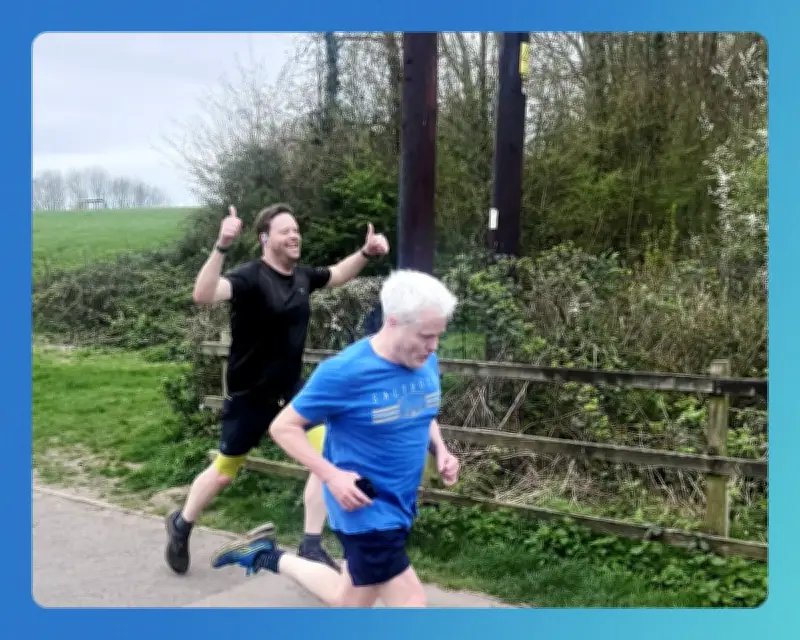
Since 2014, I've completed 355 parkruns in 63 locations. Parkrun, which recently marked its millionth global event, is a cultural phenomenon. Every Saturday, in 23 countries worldwide, tens of thousands of people gather in local parks to run 5km. Running, jogging or walking are all encouraged, and nobody finishes last – that's the job of the tail walker volunteer. As a wise run director once said, no matter how slow you're going, 'you're lapping everyone who's still in bed'.
Essential gear for your first parkrun
Decent running shoes are the first step. Prioritise comfort; the Asics Novablast, Hoka Clifton and Brooks Ghost ranges are reliable for beginners. A gait analysis at stores like Runners Need, Sports Direct or Decathlon can help determine your foot roll. I use Brooks Adrenaline GTS shoes. Picking older stock can save money.
A basic running watch with GPS and heart-rate monitor is useful but not essential. The Garmin Forerunner 55 and Amazfit Bip 6 are good-value options. Comfortable, breathable running clothes that wick sweat are important. I recommend a good pair of running shorts with secure pockets; brands like New Balance, Nike, Asics, Lululemon and Under Armour are widely regarded. Decathlon is a good bet for affordable gear.
Building up to 5km
Five kilometres is a surprisingly long distance. The Couch to 5k programme gradually builds you up over several weeks. Free apps include the NHS's official app and Just Run: Zero to 5K. For motivation, Zombies, Run! adds a zombie chase element.
Tips for beginners
Register at the parkrun website and bring your barcode – as a printout or on your phone. A parkrun wristband is also available. Check the official cancellations page before heading out, especially during bad weather. Travel light – bring only keys, phone, earphones, barcode and a water bottle.
Attend the first-timer's briefing 10-15 minutes before the start to understand the course and process. Position yourself according to your expected finish speed to avoid blocking others. Pace yourself – if you can't hold a conversation, slow down.
What happens at a parkrun?
Find a course on the parkrun website. Arrive in time for a 9am start in England and Wales, or 9.30am in Scotland and Northern Ireland. The first-timer's briefing is followed by the run director's welcome, milestone celebrations, and course instructions. Line up at the start and follow the person in front. At the finish, collect your token and have it scanned along with your barcode. You'll receive your official time by text and email a few hours later.
Speed doesn't matter – runners, joggers and walkers of all ages are welcome. Grace Chambers did her first parkrun at 88 and celebrated 250 nine years later. Check last week's results to gauge where you might fit in, but the atmosphere is friendly and non-judgmental.
Finding events and other details
The official website has a map of all events worldwide. Parkrun events exist in the US, Japan, South Africa, mainland Europe, and even the Falkland Islands. Your barcode works at any event globally. Children aged four and up can run, but under-11s must be within arm's reach of an adult. Junior parkrun on Sundays is 2km for ages 4-14.
Parkrun can be as social as you like – I've had great conversations while volunteering, but 95% of the time I show up, run, and head home. Volunteering is not required but appreciated; roles include setting up, timekeeping, tail walking, and barcode scanning. Register through the run's contact email. Special events occur on Christmas Day and New Year's Day, depending on the park.