Harrow Council received more than 1,000 housing complaints in the past year, with the top three concerns being repairs, damp and mould, and boiler failures, according to figures presented to the Governance, Audit, Risk Management and Standards Committee on July 20. The council is set to submit its annual complaints data to the Housing Ombudsman, reflecting its performance as a landlord for tenants and leaseholders.
Complaint volumes surge
Stage 1 complaints, requiring a response within 10 working days, rose 89% from 249 in 2023/24 to 471 in 2025/26. Stage 2 complaints, escalated to a senior manager with a 20-day response window, increased 221% from 42 to 135 over the same period. The council attributes this to a combination of increased awareness of the complaints process, greater compliance with Ombudsman guidelines, increased service pressures, and improved recording of complaints.
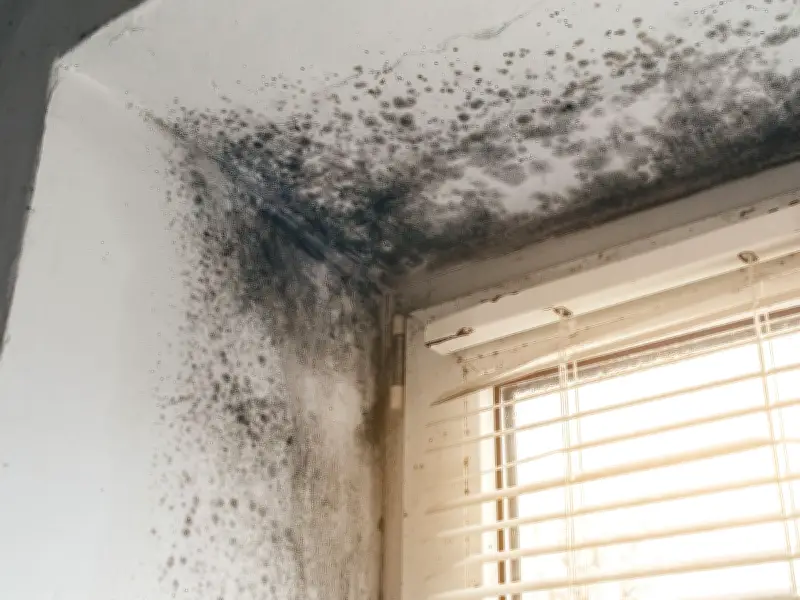
Labour Cllr Peymana Assad highlighted damp and mould as a “serious and important” issue due to potential health implications for tenants. She questioned whether actions to reduce the problem are effective “when they continue to top the list.”

Underinvestment and replacement vs. repair
Emma Talbot, Strategic Director of Housing and Regeneration, acknowledged that damp and mould is an issue “we do need to take really seriously.” She cited “underinvestment in our housing stock” as a cause of repeat complaints. “We are doing a repair but probably need to do a replacement. Rather than repairing a ceiling, we probably need to replace a roof,” she said. “We have failed when something’s got to a complaint and, whilst we are looking to improve how we handle complaints, really the focus of the service needs to be on being a really good landlord and avoiding the complaints happening in the first place.”
Delays in repairs also lead to cost increases for the council. Talbot noted that it is “inevitable” that costs rise if issues are not dealt with promptly, though the council could not provide the total cost of delays.
Compensation and Ombudsman findings
There were 14 Housing Ombudsman determinations in the year, with 12 reportable outcomes. These included 30 findings of maladministration, three service failures, and two findings of reasonable redress. Compensation paid totalled £8,759, up from £3,125 in 2023/24 and £7,694 in 2024/25. Payouts were awarded primarily for “prolonged repair failures, damp and mould, and poor complaint handling.”
Response timeliness at stage 1 improved to around 74%, but remains below the council’s target. Stage 2 performance is a “key challenge,” with only about 50% of responses completed within timescales. The council says service improvements are underway, including changes to staff resources, accessibility for tenants, staff skills, and insight from previous cases.
Councillor calls for proactive approach
Cllr Assad emphasised the importance of shifting from repairs to replacements. “It’s really important going forward that that is something the council looks at doing because it not only saves us time and money but it also saves people their mental health [with] the pressure of consistently phoning the council about repairs in their house,” she said.