Lagos Housing Crisis Deepens as Rental Costs Skyrocket Beyond Wage Growth
The Nigerian megacity of Lagos, a powerhouse of finance, culture, and entertainment on the African continent, is grappling with an escalating housing crisis that threatens its dynamic growth. With an estimated population of 22 million, Lagos faces persistent migration pressures, welcoming approximately 6,000 new inhabitants daily while 3,000 depart, according to Deputy Governor Obafemi Hamzat. This influx places extraordinary strain on housing supply, creating a market where rental costs are surging far beyond wage increases, forcing many professionals into extreme commutes or shared living arrangements just to survive.
Professionals Pushed to City Periphery by Unaffordable Rents
Oluwatobi Ogundipe, a 32-year-old product manager working in Lagos's growing technology sector, exemplifies the struggle. Despite his professional position, he cannot afford to live near his office on Lagos Island. In 2023, he found a self-contained room with private toilet and kitchen renting for ₦900,000 (approximately £490) annually. After agency and agreement fees nearly doubled the cost, he was forced to relocate to Sango Ota in Ogun state, embarking on a daily four-hour commute before dawn.
"You sit in traffic for four to five hours, and before you realise, your legs start to numb," Ogundipe describes. "Sitting that long without stretching eventually became a survival skill. Sometimes when I get off the bus, I feel like I can barely feel my legs."

Across Lagos, rental prices have increased dramatically. On the mainland, flats that rented for ₦500,000 two years ago now command up to ₦2.5 million annually. On the island, tenants report rents have tripled, creating an impossible gap when compared to Nigeria's national minimum wage of ₦840,000 per year.
Structural Crisis: Housing Shortage Exceeds 3.4 Million Units
Urban management experts identify this as a symptom of broader structural failures. Professor Taibat Lawanson of the University of Lagos reveals the city faces a housing shortage exceeding 3.4 million units. "The city's population is growing faster than its housing supply," she explains, "pushing many people to relocate to cheaper areas, often by sharing flats or using other informal living arrangements."
Ayodeji Monsuru, a civil servant and father of two, represents another facet of the crisis. After his rent increased from ₦300,000 to ₦500,000 in New Oko Oba, he relocated to Ijaiye, one of Lagos's outermost districts. Now he wakes before sunrise for a commute exceeding two hours to his workplace in Maryland on the mainland.
"Going from house to house, it felt as if every landlord in Lagos had agreed in one meeting to raise their rents all at once," Monsuru says. Earning ₦240,000 monthly while spending ₦3,500 weekly on transport, he questions whether working in the city remains worthwhile. "Sometimes I wonder if working in the city is even worth it," he admits, noting that rising housing costs are pushing professionals out of city centers.
Market Forces Worsen the Crisis: Luxury Development and Short-Term Rentals
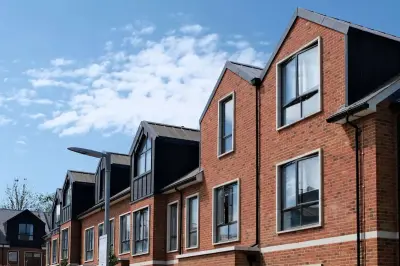
The supply shortage represents only half the problem. Similar to trends observed in the United Kingdom, Lagos sees private developers prioritizing high-end projects over affordable housing due to high construction costs, soaring urban land prices, limited housing finance, and weak incentives for affordable development.
"Lagos is a very land-poor city with insufficient land area to build," Professor Lawanson notes. "Its economic development is pushing investors toward focusing on building premium housing because building affordable homes is far less profitable."
This has fueled a proliferation of luxury flats while basic accommodation remains scarce. Compounding the problem, many landlords are converting properties to short-term rentals through platforms like Airbnb, where they can earn significantly more from tourists and business travelers than from long-term tenants.

"When homes are converted into short-term rentals, fewer units remain available for long-term tenants," Lawanson emphasizes. "That scarcity drives prices even higher." A landlord in the Lekki suburb confirms the economic logic: "The idea of short lets is that you could earn as much as you can from a long let within a period of a week or a month. For us, it's simply business."
Adaptation and Resilience in the Face of Crisis
Estate agent Emmanuel Joseph observes the practical consequences: "Even if they saved every naira, they still can't afford a ₦2 million apartment. That's why we're increasingly seeing people share apartments just to cope."
Professor Lawanson documents various adaptive practices emerging: "We've seen various itinerant practices: some people sleep in their offices, while others spend weekdays in Lagos and commute to families outside the city on weekends."
Despite requests for comment, Barakat Odunuga-Bakare, special adviser on housing to the Lagos state governor, did not respond to inquiries about the crisis.
Each morning, thousands of Lagos residents undertake journeys similar to Ogundipe's, navigating infamous traffic from distant suburbs and neighboring states into Africa's most dynamic city. "We all come to Lagos chasing something," Ogundipe reflects. "But these days, it feels like the city is slowly pushing us away."
The housing crisis in Lagos represents a critical challenge to the city's continued growth and vitality, with implications for employment patterns, urban development, and quality of life for millions of residents. As rental costs continue to outpace wage growth, the pressure on Lagos's housing market shows no signs of abating, threatening to reshape Africa's most populous city in fundamental ways.