The Royal Arsenal in Woolwich, a south-east London neighbourhood once central to Britain's weapons manufacturing for over three centuries, has been transformed into a thriving riverside destination. The former military site now houses thousands of residents, independent businesses, restaurants, and cultural attractions, with historic military buildings standing alongside modern homes and green spaces.
From Military Heartland to Residential Community
The Royal Arsenal's history spans more than 300 years. Fireworks production began in Woolwich in 1696, followed by a yard for repairing gun carriages in 1697. The Royal Brass Foundry was established about a decade later, and the site expanded into a major military complex. By 1773, when King George III visited, Woolwich hosted the Royal Regiment of Artillery and the Royal Military Academy, along with workshops for manufacturing, inspecting, and storing cannon and ammunition.
Demand surged during the Napoleonic and Crimean wars. By 1907, the Royal Arsenal covered 1,285 acres, stretching about three miles along the Thames. Its peak came during the First World War, employing nearly 80,000 people. The site operated through the Second World War, though production spread to other Royal Ordnance Factories due to air raid threats. Post-war, its importance declined as military technology and defence needs evolved. The Royal Ordnance Factory closed in 1967, with parts used by the Ministry of Defence for decades. The Royal Arsenal ceased military operations in 1994.
Regeneration and Preservation of Historic Buildings
After the military left, the vast riverside site posed a challenge: what to do with acres of industrial land and historic buildings. Regeneration began around 2000, with Berkeley Homes selected as the residential developer that year. The first residents moved into new homes in 2002. Instead of erasing the past, many significant buildings were retained and incorporated into the redevelopment.
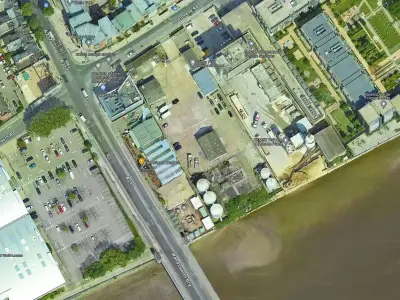
The area now includes an impressive collection of listed buildings, such as the Grade I-listed Royal Brass Foundry and Grade II*-listed Grand Store buildings. Berkeley reports restoring and repurposing 23 Grade II-listed buildings across Royal Arsenal Riverside for residential, commercial, and cultural uses. Modern apartment blocks have risen around these historical structures, reshaping the skyline. The Royal Borough of Greenwich describes Royal Arsenal as a 36-hectare riverside site with plans for more than 5,000 homes, plus parks, squares, and leisure, retail, and employment spaces.
Cultural Venues and Riverside Attractions
Today, visitors find reminders of military history amid a neighbourhood focused on living, dining, and entertainment. Woolwich Works, a cultural venue opened in September 2021 within five listed former Royal Arsenal buildings, hosts live music, comedy, theatre, dance, and other events. Its Fireworks Factory space nods to the site's original purpose. The riverside itself has become an attraction, with paths along the Thames and landscaped public spaces replacing restricted industrial areas. Visit Greenwich promotes Woolwich as a destination for exploring military landmarks, historic architecture, riverside walks, and a growing food and entertainment scene.
Elizabeth Line Boosts Connectivity
A major recent change is the arrival of the Elizabeth line. Woolwich station, located directly within the Royal Arsenal development, provides direct rail connections to Canary Wharf, central London, and Heathrow. The Royal Borough of Greenwich says the Elizabeth line, alongside the DLR, has put Docklands, the City, and the West End within easy reach. This area, once dominated by factories and restricted land, is now directly linked to some of London's busiest destinations.
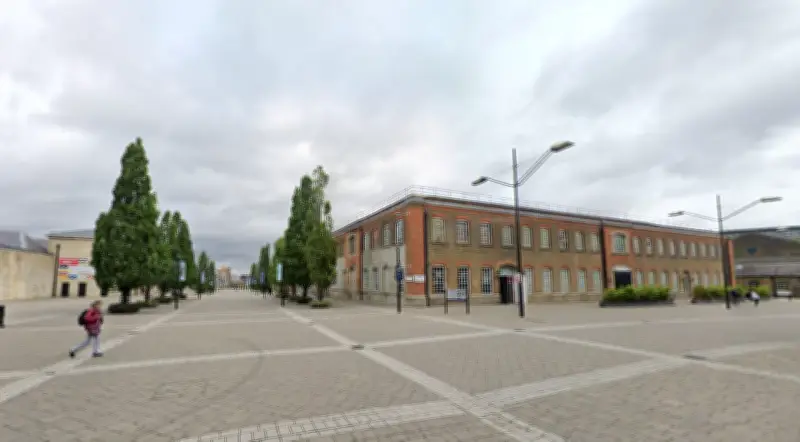
The transformation of Royal Arsenal is ongoing, but its past remains visible. Enormous brick warehouses, former workshops, and military buildings still dot the landscape between new apartment towers, restaurants, and public spaces. More than 300 years after weapons production began beside the Thames, the Royal Arsenal has evolved from a key military manufacturing site into one of south-east London's most distinctive riverside neighbourhoods.