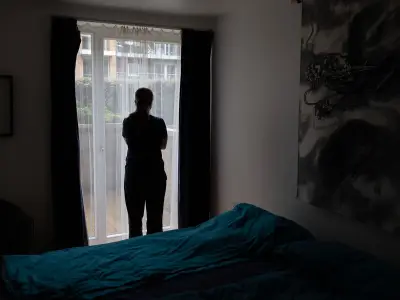
A woman watches in despair as her home of 20 years is sold at auction in London, unable to stop the sale despite her pleas. This scene at the De Vere Grand Connaught Rooms highlights the harsh realities of the UK housing crisis, where repossessed homes and debt-laden housing associations fuel a booming auction market.
The Auction Market in Numbers
Nearly £5.9bn worth of residential and commercial properties were sold at auction in 2025, up from £5.5bn in 2024, according to Essential Information Group. Repossessed homes account for over 20% of the market, driven by high mortgage rates and the cost of living crisis. In 2024, there were 14,025 mortgage repossession orders in England and Wales, the highest in five years.
Alex Greaves, a property buying agent at Ridgestone Property, notes a weekly influx of repossessed properties at auction. While he does not expect a flood of distressed assets like during the financial crash, he observes an uptick in central London.

High-Value Properties and First-Time Buyers
The auction room buzzes with activity as lot 001, a one-bedroom basement flat in Pimlico, sells for just over £450,000. Other high-value properties include a four-bedroom townhouse in Wapping for £800,000 and a Devon bungalow for £327,500. A buyer's premium of 2%-5% is added to each sale.
Liam Gretton, an estate agent in Wirral, says auctions are no longer just for fixer-uppers. High-quality homes are increasingly common, drawing younger buyers and first-timers. Greaves helped a first-time buyer secure a flat recently and sees clients keen on auctions for family homes in good school areas.
Alice Helps' Story: A Dream Home Turned Renovation Project
Alice Helps, 26, bought her dream home in Somerset at auction for £178,000, well below her £200,000 budget. She found the in-person auction overwhelming but succeeded via online bidding. However, after purchasing, a structural engineer discovered a dangerous gable issue, requiring a complete rebuild. Her renovation costs rose from an estimated £50,000-£75,000 to £100,000. Despite the setbacks, she expects to make £100,000 profit and move in by Christmas.
Helps advises buyers to be certain, as auction purchases are legally binding. She emphasizes that auction homes often require major work.
The £1 Home and the Horden Phenomenon
Late in the day, a three-bedroom home in Horden, County Durham, with a guide price of £1, fails to attract in-room bidders but sparks an online battle, eventually selling for £3,500. Horden has become a symbol of the practice where councils relocate lower-income families from expensive areas to cheaper regions like the North East.
Joanne Thorns of Communities Together Durham says landlords buy properties for £5,000-£10,000 and quickly recoup costs through local housing allowance (LHA) of £126.58 per week for a three-bedroom home. Families, often refugees or single mothers, are moved with little support, sometimes to half-empty streets. The charity helps them access GPs and schools.
Political Fallout and Community Resilience
The issue has fueled local politics, with Reform UK gaining control of Durham county council after pledging to prioritize locals for social housing. A councillor denied claims that new developments were sold to London councils. Deputy leader Darren Grimes faced backlash for sharing an AI-generated image of men of color in a blog post about relocated families.
Despite the challenges, Horden has a strong community spirit. A visitor recalls a stranger paying for her snack at Greggs, refusing repayment. The area also boasts natural beauty, including Castle Eden Dene and Denemouth Viaduct.
The final lot of the day, a tenanted three-bedroom home on the Wales-England border, sells for £138,000. The auctioneer's enthusiasm seals the deal, underscoring the enduring appeal of property auctions as a path to profit—and a mirror of the housing crisis.