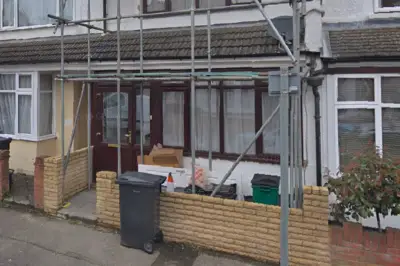
Redbridge Council has firmly rejected a controversial proposal to transform a single-family residence into a supported living facility for teenagers, branding the scheme as 'unlawful' in a decisive planning verdict. The application sought to convert a property on Canterbury Avenue into accommodation for up to six young people aged between 16 and 18, but council planners have turned it down for a second time, citing significant concerns over local demand and operational vagueness.
Council Cites Lack of Demonstrable Local Need
In their detailed refusal report, Redbridge Council officials emphasized that there is "no demonstrable local need" for such a facility within the borough. They pointed to recent data from Children's Services, which revealed that only a handful of children from Redbridge currently receive care within the borough, compared to over 40 homes accommodating more than 100 children from outside the area. This imbalance, the council argued, means the proposed home would not meaningfully benefit local residents and could instead place additional strain on care providers.
Operational Concerns and Insufficient Details
The application faced sharp criticism for providing "limited" operational details, failing to specify crucial aspects such as the total number of staff, shift patterns, and visitor policies. According to the plans, staff would not reside permanently at the Cranbrook home, with only one employee working shifts and sleeping overnight at any given time. The council expressed worries that this lack of clarity could impact the welfare of residents and the broader care ecosystem in Redbridge.
Officers highlighted guidance from the operational director of children and families, warning that such changes of use could have cumulative negative effects on local care partners. They stated the scheme would "result in a significant impact on partners for the provision of care, being cumulative over the borough," undermining efforts to manage social care pressures effectively.
Focus on Life Skills and Independence
The proposed supported living centre aimed to offer a domestic lifestyle environment, where teenagers would share communal spaces and routines while maintaining private rooms. The focus was described as being on "life skills and independence rather than institutional supervision," with the goal of reducing demand on social care systems. Applicants argued that by catering to "young people with a local connection" to Redbridge, commissioned through local authorities, the home could alleviate financial pressures on the council's coffers.
Previous Rejection and Revised Plans
This marks the second rejection for the scheme, which was initially turned down for housing only four teenagers—a number the council deemed too low to justify the conversion—and for failing to provide adequate management details. Despite revisions to increase capacity to six residents, the council remained unconvinced, maintaining that the application still lacked the necessary specifics to ensure safe and effective operation.
The decision underscores Redbridge Council's stringent approach to planning applications for care facilities, prioritizing demonstrable local benefits and thorough operational plans. As social care demands continue to rise, such rejections highlight the ongoing challenges in balancing community needs with regulatory compliance in the borough's housing and support services sector.