London's 'Worst Borough' Sparks Heated Debate Among Residents
A recent property guide has ignited controversy by ranking Barking and Dagenham as the lowest-performing borough in London, prompting a wave of mixed reactions from locals who either defend their home or acknowledge its shortcomings.
The Controversial Ranking That Stirred the Pot
Garrington Property Finders' 2026 'Best Places to Live' guide placed Barking and Dagenham at 1,141st out of 1,447 locations across England and Wales. The assessment evaluated five critical factors: wellbeing, natural environment, schools and jobs, heritage and culture, and house quality and value. This positioning marked it as the poorest-performing borough in the entire capital, a label that has not gone unchallenged by those who call it home.
Voices from Chadwell Heath: A Tale of Two Perspectives
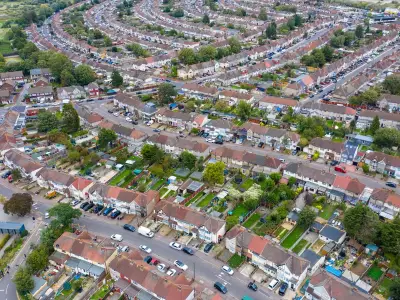
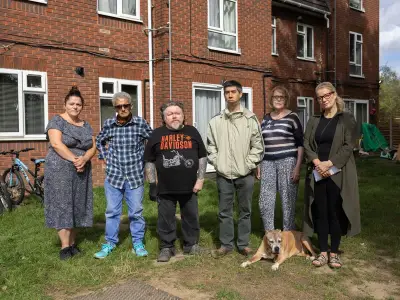
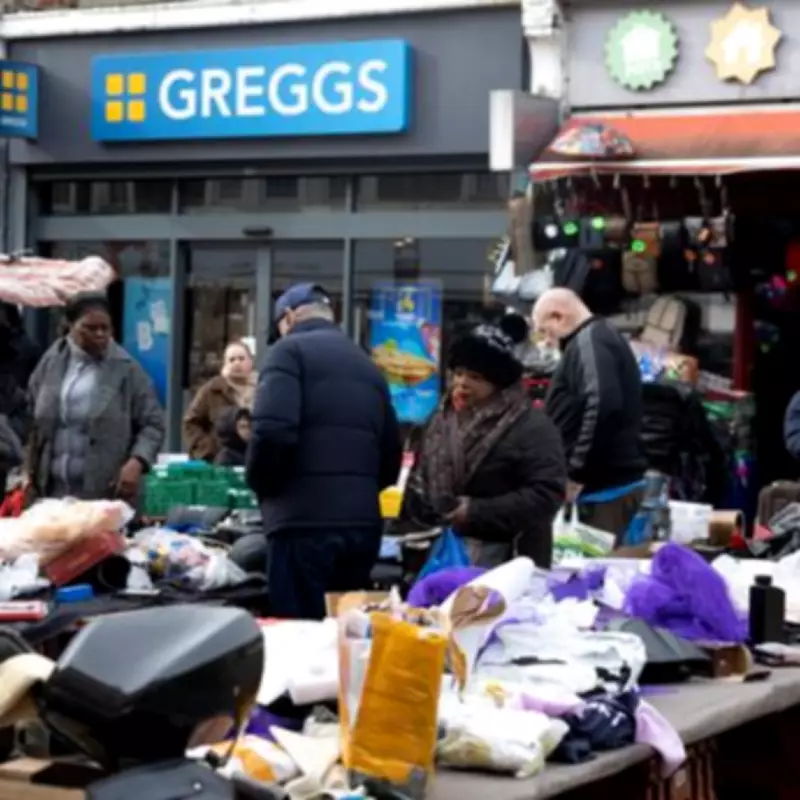
MyLondon journalists ventured into Chadwell Heath, a town within Barking and Dagenham, to gauge local sentiment. The responses revealed a stark divide between residents who feel trapped by the area's limitations and those who appreciate its community and affordability.
Bonita Tingey, a 38-year-old bartender, did not mince words in her assessment. "There's nothing to do around here. It's a bit dingy. No shopping centres, apart from a million greengrocers and about 15 Lidls. It's like the land that time forgot," she lamented. Tingey pointed to a lack of diverse retail options and youth clubs, which she believes stifles job opportunities and community engagement. Despite working and living in the area, she expressed a desire to eventually relocate somewhere more affordable, though she acknowledged potential benefits from new developments like Barking Riverside.
In contrast, Mr. Blair, a local comedian who moved from Tower Hamlets 27 years ago, offered a more optimistic view. "I've had a great experience here in regards to the economy of everything around me," he stated, praising the area's diverse population. While he recognized closures of local establishments like The Coopers Arm and noted that Barking and Dagenham has historically faced challenges alongside boroughs like Newham and Tower Hamlets, he emphasized that his personal lifestyle has remained positive. He highlighted issues such as limited green spaces and overcrowded housing, suggesting these factors might contribute to the low ranking, but remained hopeful about ongoing regeneration efforts.
Long-Term Residents Weigh In on Change and Community
Cliff Schwartz, a lifelong resident, echoed concerns about repetitive shop offerings and closures over the past two decades. "Nothing is here apart from the same places opening up all the time," he observed. However, Schwartz stopped short of fully endorsing the 'worst borough' label, acknowledging issues like crime while asserting a sense of home. "I'm not offended by it being called the worst borough. There are a lot of issues here, so I kind of half-agree that it is not the best borough. This is home though. Whatever borough you go to, there's going to be bad things, so it is what it is," he reflected, capturing a resigned yet loyal attitude.
Regeneration and Future Prospects: A Glimmer of Hope?
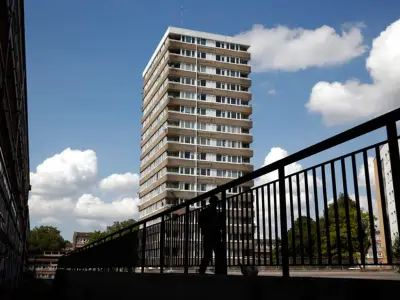
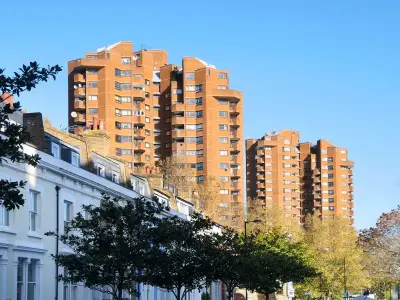
In recent years, Barking and Dagenham has seen significant development, most notably the Barking Riverside project. Built on the site of the former Barking Power station, this initiative spans 2km of south-facing river frontage along the Thames and includes a new station, wildlands, five schools, and potential housing for up to 50,000 people. Such efforts aim to revitalize the area, though opinions vary on whether high-rise buildings are the optimal solution for addressing space and affordability concerns.
The debate over Barking and Dagenham's ranking underscores a broader conversation about urban living standards, community identity, and the impact of regeneration projects. As residents grapple with perceptions of their borough, the divide between those who see potential and those who feel neglected highlights the complex realities of life in one of London's most talked-about areas.