Maui Residents Rebuild Lahaina for Locals After Devastating Fires and Storms
In the wake of the deadliest wildfires in US history, which ravaged Lahaina, Maui, in 2023, destroying over 2,000 structures and claiming more than 100 lives, residents are now facing additional challenges from severe storms. In March, Hawaii experienced back-to-back storms, causing the worst flooding in two decades. In Lahaina, muddy floodwaters transformed streets into rivers, carving new paths through the barren landscape, breaking roads, and flooding homes, with sinkholes appearing that engulfed cars.
Nearly three years after the fires, hundreds of affected households remain in temporary housing. Poverty, unemployment, and housing instability, already prevalent before the disaster, have worsened significantly. Paele Kiakona, an organizer with the grassroots group Lahaina Strong, noted, "So many people were hanging on by a thread as it is." Despite these hardships, organizers and residents are determined to rebuild Lahaina for their community, not tourists, and protect it from future climate crises.
Grassroots Initiatives Drive Recovery and Cultural Preservation
Community-led efforts are at the forefront of Lahaina's recovery. Groups like Kaiāulu Initiatives are planting acres of native plants to restore land that was fallowed by decades of water diversion, making it susceptible to fire. Meanwhile, Nā 'Aikāne o Maui Cultural Center is advising on the redevelopment of Front Street, the main tourist area, to better honor Native Hawaiian heritage and serve the local community.

In a significant victory, after years of advocacy, the city council passed a law in December to phase out 7,000 vacation rentals on the island, representing 15% of the housing stock, to provide homes for fire survivors and other locals. Kiakona emphasized, "We passed legislation as community members, which is unheard of. We're just community members organizing grassroots from the bottom up, bringing our people in."
Community Mobilization in the Face of Adversity
The fires and storms have underscored the importance of community self-reliance. In the immediate aftermath of the 2023 blaze, local efforts filled gaps where federal emergency assistance was slow. During the recent storms, residents coordinated to remove fallen trees, pull cars from riverbeds, and dig trenches to divert flooding. Kiakona described the community as "so activated," highlighting their ability to mobilize effectively.
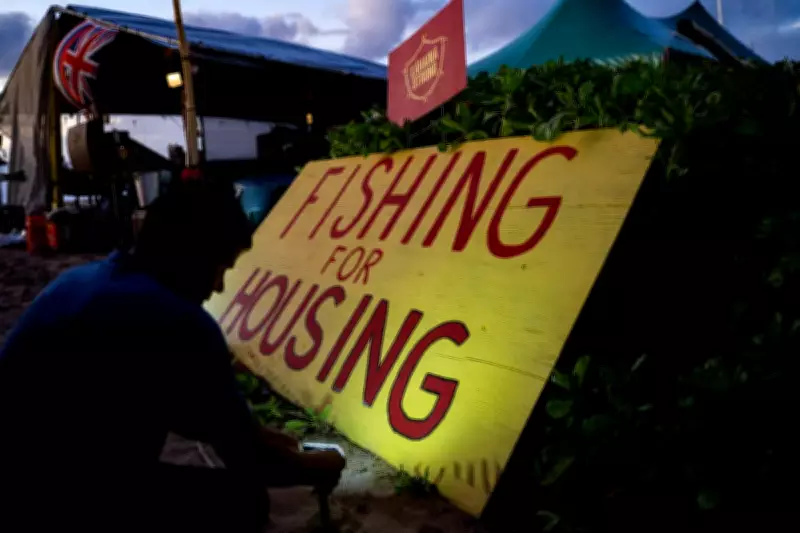
One of the greatest fears post-fires was that recovery would be too slow and expensive for locals to remain. Since the fires, about 3,400 residents have left the island due to insurance gaps, uneven federal aid, and soaring rents. To counter this, Lahaina Strong led an encampment on Kāʻanapali beach, demanding long-term housing for survivors. This protest highlighted the contrast between locals camping with signs like "fishing for housing" and tourists in nearby high-end resorts, illustrating how the government initially prioritized tourism over community needs.
Housing and Land Trusts Prioritize Local Ownership
The pressure from protests led to a proposal in June 2024 to phase out short-term rentals in west Maui, including Lahaina, by 2029, with the rest of the island following by 2031. Kiakona, who is running for the Hawaii statehouse, stated, "I think there's an understanding that the status quo led us to where we are. We've put so much effort into making things better for our home that the status quo would be the end of us, again."
Another key initiative is the Lahaina Community Land Trust, which buys homes for sale and resells them to locals at affordable rates to keep land in local hands. Autumn Ness, executive director, explained, "Our vision is restoring relationship to 'āina [land], whether it's through housing, commercial spaces, or open space that is really grounded in the real history of this place." The trust has acquired at least 20 parcels for housing and plans to expand into commercial spaces for community-serving businesses.

Supporting Vulnerable Groups in the Recovery Process
Acquiring homes is only part of the challenge; returning residents and healing the community are equally crucial. Vulnerable groups, such as Filipino immigrants who make up about 40% of Lahaina's population, face additional barriers. Nadine Ortega of Tagnawa noted that immigrants often lack time to attend meetings due to work and childcare responsibilities, leaving them behind in recovery efforts.
Tagnawa has stepped in to provide disaster relief, health assessments, and mental health workshops. Meanwhile, increased ICE operations have led to deportations, creating fear among immigrants. Veronica Mendoza of Maui Roots Reborn said, "It feels like you can't relax," emphasizing the need for "know your rights" trainings and support networks to provide stability.
In the aftermath of the storms, a disaster declaration was finally approved for Hawaii. Kiakona reiterated the community's resilience: "Bureaucracy gets in the way a lot of the time, so sometimes the community just needs to take action. That's how we are in Hawaii – we take care of one another."