The Lonely Death of Sydney's 'Birdman'
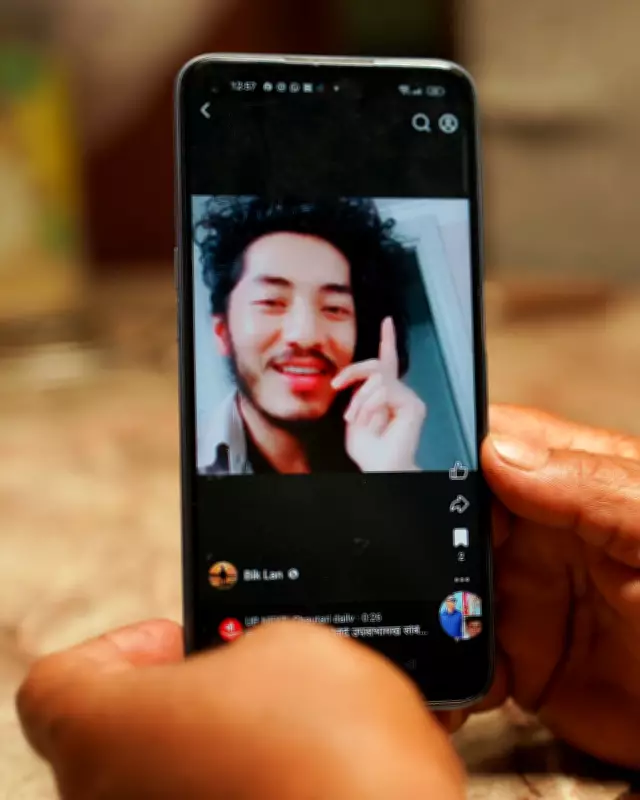
In the heart of Sydney's bustling central business district, a tragic story unfolded last December that exposed glaring deficiencies in Australia's homelessness support systems. Bikram Lama, a 32-year-old Nepali man known affectionately as 'the birdman' by fellow rough sleepers, died alone in Hyde Park near St James station. His body went unnoticed for nearly a week as thousands of commuters streamed past daily, highlighting how easily vulnerable individuals can become invisible in urban environments.
A Ritual Interrupted
Lama had developed a morning routine that became familiar to those who frequented the St James tunnel area. Emerging from his sleeping bag in the bushes near the station entrance, he would return from breakfast with breadcrumbs to feed the pigeons that gathered there. Joe Trueman, a former rough sleeper who now busks at the tunnel, observed this ritual regularly. "The birds would start to congregate outside on the steps," Trueman recalls. "He would greet them like his children. As he arrived, they'd all fly in."
During Sydney's December heatwave, this daily pattern suddenly ceased. The pigeons waited in vain for their benefactor who never emerged. Station staff eventually discovered Lama's body on December 7th, but decomposition had progressed so significantly that visual identification proved impossible. Police data suggests approximately 100,000 people passed through St James station during the time Lama lay undiscovered.

From Student to Rough Sleeper
Guardian Australia's investigation reveals Lama's journey from a remote Nepali village to Sydney's streets. His family in Makwanpur, south of Kathmandu, sold valuable farmland to fund his Australian education in computer science. "We had no money," explains his sister-in-law Usha Lama. "So we sold nine kattha of farmland and sent him abroad to study."
After initially maintaining contact, Lama gradually fell out of touch with his family. Approximately seven years passed without communication before they received shocking news from Nepal's ministry of foreign affairs. Australian authorities had requested DNA samples from Lama's elderly mother, Seti Maya Lama, to confirm the identity of remains found in Sydney.
"Since hearing the news, I haven't been able to eat properly," Seti Maya Lama says from Nepal. "The pain is constant. Even now, I still feel like my son might come back." The family remains in limbo, awaiting confirmation of DNA test results and information about how to repatriate Lama's remains for traditional last rites.
Systemic Failures for Non-Residents
Lama's tragedy exposes critical gaps in federal and state homelessness responses. As a non-resident whose student visa had expired, Lama fell into a bureaucratic void where support services could not provide housing, healthcare, or financial assistance. Erin Longbottom, nursing unit manager of St Vincent's homelessness health service, describes the situation as devastating. "He was just somebody who fell through all the cracks," she says. "It's like he's an invisible person."
City of Sydney council estimates indicate approximately one in five rough sleepers are not Australian residents. These individuals face particular vulnerability because they cannot access temporary accommodation, crisis housing, social housing, public healthcare, or Centrelink payments. The problem became especially visible during COVID-19 when governments housed rough sleepers in vacant hotels, leaving non-residents conspicuously excluded.
Parallel Stories of Exclusion
Joe Trueman's experience mirrors Lama's predicament in significant ways. Arriving from New Zealand as a teenager, Trueman lost visa status and found himself homeless in Sydney. He witnessed three separate homeless camps cleared with residents receiving housing support while he remained excluded due to his non-resident status. "I was there at the end going, 'What the hell? I'm still on the street,'" Trueman recalls. "How come everyone else is getting help and I can't?"

Trueman notes that many rough sleepers he encountered shared similar circumstances. "A lot of these guys were all non-residents," he observes. "They'd fallen off or fallen through loopholes of their visas, of their rights to stay, and they ended up on the streets." He particularly noticed individuals from Nepal, India, and Pakistan among this vulnerable population.
Broader Implications and Advocacy
The scale of this issue extends beyond Sydney. St Patrick's Community Support Centre in Perth reports assisting New Zealanders without permanent residency who lack pathways to stable housing or income support. Traci Cascioli, the service's chief operating officer, notes that "the lack of entitlement to services has made it extremely difficult for her to stabilise her situation."
Asylum seekers represent another affected group, with the Refugee Council of Australia estimating approximately 5,000 people seeking asylum live in crisis or destitution nationally. Suha Ali, chief executive of the Centre for Asylum Seekers, Refugees and Detainees, describes the situation as "hugely unjust."
Sydney's Lord Mayor Clover Moore acknowledges the limitations of local government authority while advocating for change. "We continue to call on the NSW Government to fund specialist homelessness services," Moore states, "to provide temporary accommodation and housing pathways to those facing hidden or invisible homelessness and people who do not have residency status."
A Call for Humanity and Reform
Lama's death represents more than an individual tragedy—it signals systemic failures requiring urgent attention. Guardian Australia's 2024 investigation into over 600 homelessness deaths revealed shocking life expectancy gaps of 30 years for rough sleepers compared to the general population. Subsequent cases have included discoveries of skeletal remains in caves and deaths in public shrubbery, prompting coroners to advocate for housing as a human right.
Erin Longbottom articulates the fundamental human dimension often lost in policy discussions. "No matter who you are or how you came to Australia or what happened to you," she emphasizes, "you're actually still a human being and your life is valuable."
As Bikram Lama's family in Nepal awaits answers and hopes to perform traditional last rites, his story serves as a poignant reminder of the human cost when systems fail to protect society's most vulnerable members. The pigeons at St James tunnel no longer gather for their morning feeding ritual, but the questions raised by Lama's lonely death continue to demand responses from policymakers and the public alike.