Tower Hamlets Council Approves Compulsory Purchase Powers for Teviot Estate Regeneration
Homeowners on the Teviot Estate in Poplar, East London, could be compelled to sell their properties to Tower Hamlets Council if they decline to relocate voluntarily. The council's leading councillors have sanctioned the use of compulsory purchase order powers to facilitate the estate's comprehensive regeneration project, with officials emphasizing these measures will be deployed strictly as a last resort.
Essential Powers for Redevelopment Delivery
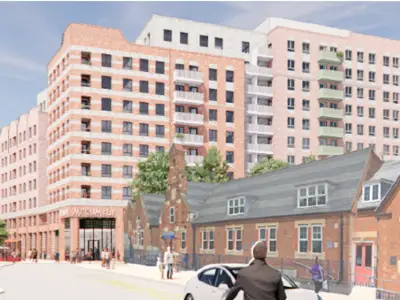
Aspire Party councillor Kabir Ahmed, the cabinet member overseeing housing, asserted that these compulsory purchase authorities are absolutely essential to maintain the viability and deliverability of the redevelopment initiative. The housing association Poplar Harca, which owns and manages the Teviot Estate, intends to completely demolish the existing structures and construct new residential buildings in their place.
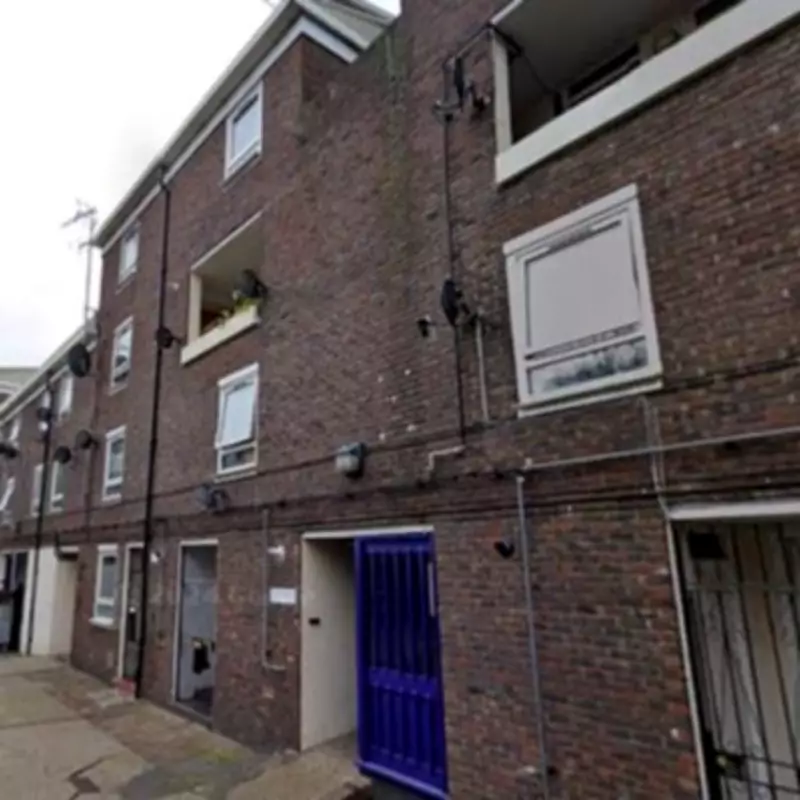
The initial phase of this ambitious regeneration scheme involves the demolition of buildings located on Chadbourn Street, Zetland Street, Ullin Street, and Spey Street. Subsequently, new homes will be erected on these sites to replace the outdated housing stock.

Council Vote and Legal Implications
Borough mayor Lutfur Rahman, alongside senior Aspire councillors, formally voted earlier this month to issue a compulsory purchase order encompassing those specific streets. This decisive action empowers the council to forcibly acquire properties from homeowners who fail to negotiate a satisfactory agreement with Poplar Harca.
Furthermore, these compulsory purchase powers enable the council to override potential legal challenges from adjacent landowners who might claim the new development infringes upon their right to light. In such instances, affected neighbours will be entitled to receive appropriate financial compensation instead.
Voluntary Agreements and Last Resort Measures
According to proposals presented to the cabinet, among the 45 leaseholders impacted in phase one, discussions are ongoing with 12 individuals regarding the voluntary sale of their homes to Poplar Harca. The proposals explicitly state that compulsory purchase powers will only be exercised as an absolute last resort.
Poplar Harca must demonstrate it is vigorously pursuing voluntary agreements with all remaining leaseholders, including offering them the full market value for their properties, before the council intervenes with its compulsory acquisition authority. However, the proposals also clarify that the compulsory purchase order is deemed necessary and appropriate to ensure the regeneration progresses without undue delay.
Benefits of Regeneration and Official Endorsement
The regeneration project is justified as it will deliver high-quality affordable housing, compensating for the loss of the existing poor housing stock. David Joyce, the council's director of housing and regeneration, strongly recommended that the mayor and cabinet grant these powers.
Joyce described this initiative as a truly excellent example of how the council is prepared to utilize its enabling powers to support significant developers and registered providers in delivering much-needed housing within the borough. He added that the project will provide additional social rented homes alongside the replacement housing, characterizing it as a critically needed regeneration effort that has already received planning permission and now requires council support to move forward.