Andy Burnham, the Greater Manchester mayor, has proposed moving part of No 10's team north, not to escape London but to break the grip of Westminster and Whitehall. His comments come amid a growing crisis in the capital, where high poverty rates and astronomical housing costs are forcing many to leave.
London's poverty and housing costs
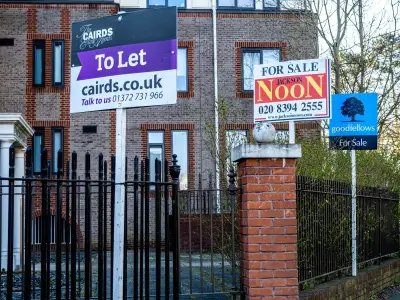
London has the highest poverty rate in England, according to the Resolution Foundation. Higher pay does not compensate for housing costs, making average Londoners worse off than elsewhere. Private renters spend about 40% of their income on housing, compared to a national average of 36%. In 2025, London house prices were 10.6 times average earnings, versus five times in the north-east. Londoners also have the longest commutes.
Housebuilding slowdown
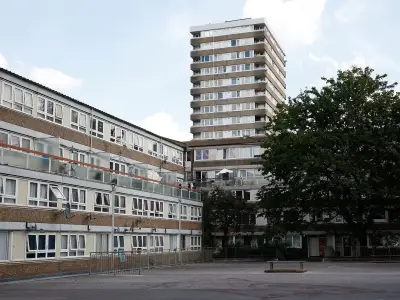
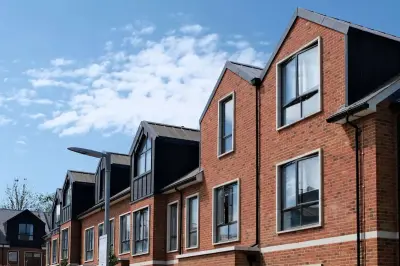
Prof Tony Travers of the London School of Economics notes that falling house prices have halted building. Some 300,000 homes with planning permission remain unbuilt due to rising construction costs, high interest rates, labour shortages, and post-Grenfell regulations requiring second staircases in high-rises. The requirement for developers to make 35% of homes affordable slowed building, so Mayor Sadiq Khan reduced it to 20%. Seven London councils are challenging this in court, but Khan argues 20% of something is better than 35% of nothing.

Cost of temporary accommodation
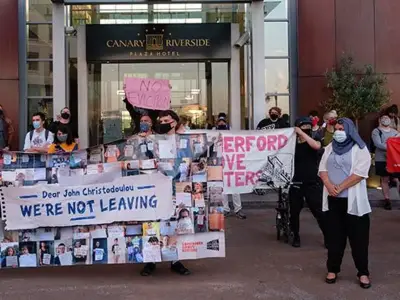
Councils face crippling costs for homeless families in temporary accommodation, worsened by the freeze on local housing allowance. This benefit freeze has led to evictions as rents rise. The loss of nearly 2 million council homes through Margaret Thatcher's right-to-buy scheme is acutely felt. Calls for rent controls, capping rises at inflation, are backed by 71% of people in England.
Council home building
No London mayor has met housing targets, but in 2022/23, Khan's City Hall started work on twice as many council homes as the rest of England did in the previous year. Burnham has called for the entire £39 billion housing budget to go to social housing, which Travers calculates would build 200,000 council homes nationally, leaving private developers to build the rest to reach Labour's 1.5 million target.
New towns and green belt
Past efforts to shift London's dynamism northwards, like a 1960s ban on new office buildings, had mixed results. Post-war new towns succeeded in reducing London's population. Now, seven new towns are planned, likely to face local opposition. Enfield is the first test, with 21,000 homes planned for Crews Hill and a chunk of green belt, resisted by the new Conservative-led council. Travers suggests rolling the green belt a mile further out, noting it takes up one and a half times the space of all cities and towns, with little accessible to those it's meant to benefit.
Golf courses as potential housing land
Liberal Democrat MP Al Pinkerton complained about a new hospital being built on the last fragment of Frimley Common, but PM Keir Starmer criticised him for opposing the hospital to save a golf course. There are 94 golf courses around London; the 43 publicly owned could provide homes for 300,000 people. The rest could be compulsorily purchased, as they are often environmental blights.
Conclusion
The London conundrum mirrors national dysfunctions. Solutions require putting the public good above private interest. The question remains whether Burnham has the nerve to take on all obstacles.