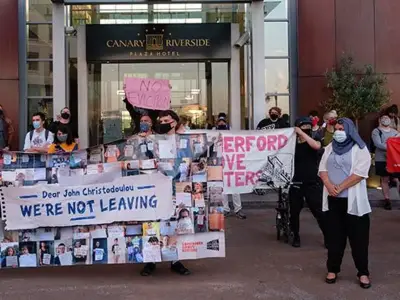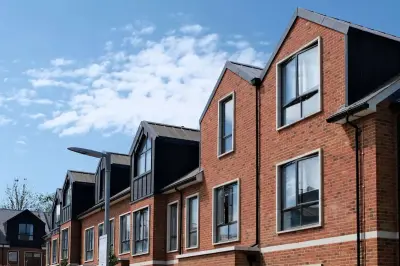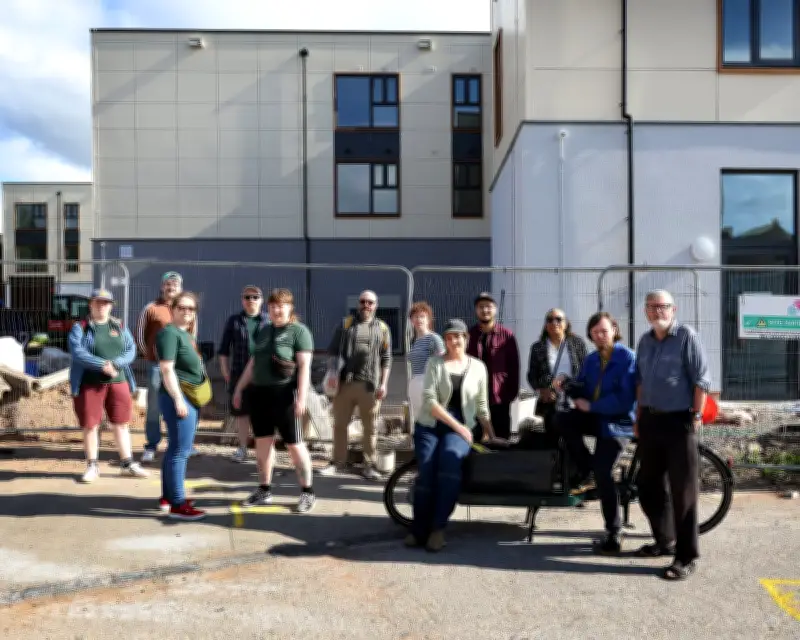
The Stirchley Cooperative Development (SCD) in Birmingham, hailed as a national model for community-owned housing, is at serious risk of collapse due to a dispute over construction costs. The project, founded by local residents and businesses in 2016, was designed to provide 39 affordable, landlord-free homes and commercial units owned and managed by the community.
Dispute with Housing Association
A conflict with GreenSquareAccord (GSA), the housing association that owns the land, has threatened the development. Problems began when GSA took over construction in 2024 after the previous contractor went bankrupt, leading to delays and cost overruns. In March, GSA announced a £1.16 million shortfall and refused to transfer ownership to the community as originally agreed.
John Holmes, an 80-year-old retired lecturer and prospective resident, said he is now homeless and relying on friends and family. “We were trying to make a difference and develop something for ourselves,” he told the Guardian. “We’re still waiting, with no certainty that it’s going to go ahead at the moment.”

Impact on Businesses
Sean Farmelo, 34, who planned to run his Birmingham Bike Foundry cooperative from a ground-floor commercial unit, said the delays have left six people homeless and businesses at risk of insolvency. He accused GSA of mismanagement, stating, “The community is being forced to pay for construction problems that [GSA] have had.”
Rachel Kershaw, co-director of Loaf bakery, another cooperative hoping to move in, said the delays forced her to reduce wages for nine staff since February. “It’s been exceptionally soul-destroying. It just feels like the soul’s been ripped out of it and we have no control,” she said.
Political Support
West Midlands Mayor Richard Parker and local MP Al Carns have backed the residents. Parker called the situation “not acceptable,” saying, “It’s not acceptable for a large housing provider to walk away from its commitments because it failed to manage costs.” Carns described it as “disappointing” and pledged to keep pushing for the project’s return to community control.
GSA Response
A GSA spokesperson said the cost rises were due to “interest costs, inflationary pressures and challenges during construction.” They added, “As a not-for-profit social housing provider, it would be irresponsible to absorb the shortfall which would ultimately compromise investment in homes and services for our customers.” Residents are now seeking loans through non-equity bonds to bridge the funding gap.