The 2026 World Cup has upended the traditional geopolitical order, with smaller nations and underdogs triumphing on the pitch despite interference from US President Donald Trump and the greed of Fifa, according to Guardian foreign affairs commentator Simon Tisdall.
Trump's Interference Backfires
Trump's covert intervention in the USA vs Belgium match, where he requested Fifa to reinstate a red-carded US player, Folarin Balogun, sparked global condemnation. Belgium defeated the US 4-1, with the world seemingly rooting for the underdog. Tisdall described this as a triumph of democratic and sporting significance, thwarting the machinations of a megalomaniac bully and a corrupt organization.
Underdog Nations Shine
Eight of the world's ten most populous countries, including India, China, Indonesia, and Nigeria, failed to qualify, while smaller nations like Cape Verde, Curaçao, and DR Congo advanced. Tisdall noted that this inversion of the traditional power balance is refreshing and instructive, proving that superpowers are not always dominant in football.
Co-host Mexico experienced a surge in national jubilation after El Tri's initial performances, which reportedly reduced drug cartel-related violence. However, Mexico's elimination by England has led to a regression in this positive trend.
Multiculturalism and Diversity Celebrated
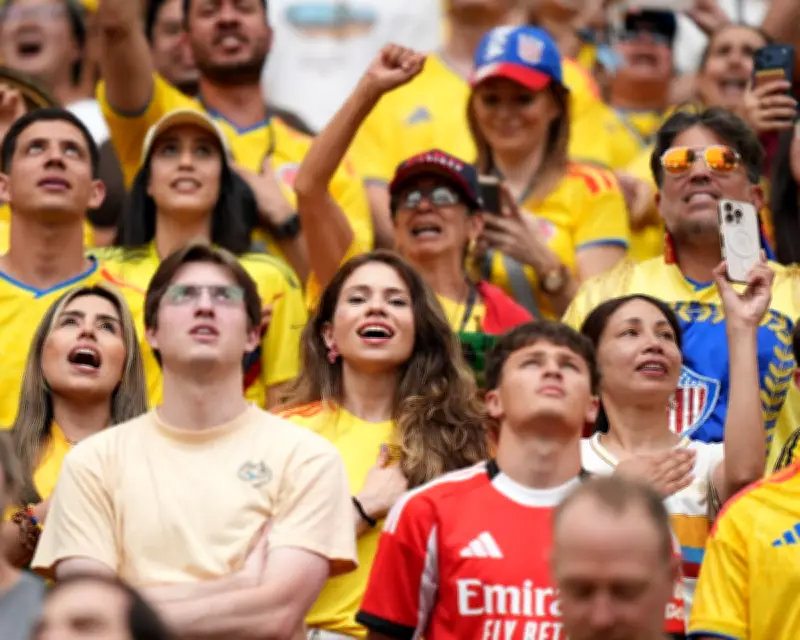
The tournament has become a celebration of multiculturalism and racial diversity, serving as a rebuke to divisive figures like Trump and Nigel Farage. Teams composed of players from diverse backgrounds have set an inspiring example, countering narratives of societal division. The welcoming attitude of American fans from Texas to Massachusetts contradicts the xenophobic image often associated with the US.
Fifa's Greed and Controversies
Fifa's dynamic ticket pricing and overpriced merchandise reflect President Gianni Infantino's focus on power and money. Infantino's past flattery of Vladimir Putin and Qatar's autocratic rulers, as well as his awarding of a bogus "peace prize" to Trump, have drawn criticism. The exclusion of Somali referee Omar Artan and harassment of Iran's national team are among the ugly moments, though widespread condemnation of racist remarks against Kylian Mbappé suggests shifting public attitudes.
Mbappé, after being targeted by Paraguayan senator Celeste Amarilla, delivered a withering reply, stating that Amarilla had disgraced Paraguay's good name. The score, Tisdall quipped, is Mbappé 8, Bigots 0.
Growing Strains Within Football Governance
The European football association Uefa is at odds with Fifa over the USA-Belgium red card row and Russia's reinstatement. Uefa has rejected new hydration breaks, guaranteed low ticket prices for the 2028 European Championships, and appointed Artan, the victimised Somali referee. This split mirrors the geopolitical divide between Trump's authoritarians and European democracies.
African countries, present in greater numbers, demand a bigger say. Egypt's manager Hossam Hassan claimed his team was unfairly penalized to ensure Argentina and Lionel Messi remained in the tournament, stating, "It's all about money. They want Messi to stay in the tournament."
Lasting Impact?
Conventional wisdom suggests World Cups rarely change anything, but Tisdall hopes this tournament might leave a lasting legacy of greater global fairness and equality, despite Trump and Fifa's efforts. He concludes that it is a worthy goal.