White House Retreats from Initial Portrayal of Alex Pretti Following Video Evidence
The White House has executed a significant reversal in its official narrative surrounding the fatal shooting of Alex Pretti by federal agents in Minnesota, after widely circulated video footage directly contradicted initial administration claims. Senior officials have moved rapidly to distance President Donald Trump and his top advisers from their early characterisations of Pretti as a gunman, as the administration faces mounting political backlash.
Video Evidence Undermines Official Accounts
The administration's initial response, which included senior figures like Deputy Chief of Staff Stephen Miller describing Pretti as "a domestic terrorist who tried to assassinate law enforcement" and Homeland Security Secretary Kristi Noem accusing him of perpetrating "the definition of domestic terrorism", has been fundamentally undermined by visual evidence. The footage shows Pretti being shot approximately ten times in the back after being tackled to the ground by US Border Patrol agents, having already been disarmed of his firearm while filming the encounter.
Press Secretary Sidesteps Questions as Investigations Proceed
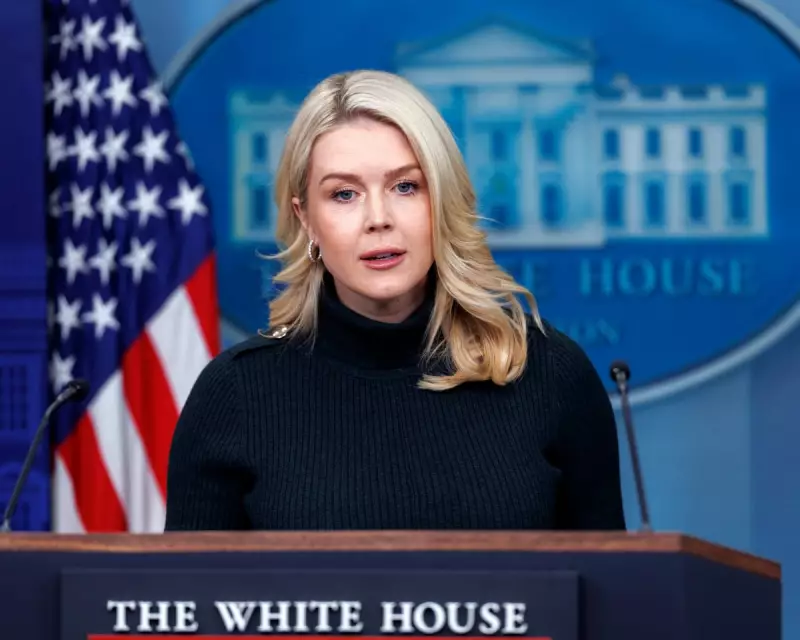
During a Monday briefing, White House Press Secretary Karoline Leavitt carefully avoided addressing specific questions about the inflammatory remarks made by administration officials against Pretti. Instead, she emphasised that the administration would refrain from further comment until multiple investigations into the shooting have concluded. "I have not heard the president characterise Mr Pretti in that way," Leavitt stated, adding, "However, I have heard the president say he wants to let the facts and the investigation lead itself."

This cautious approach was mirrored by Deputy Attorney General Todd Blanche, who attempted to backtrack on behalf of the administration during an appearance on Fox News. "I don't think anybody thinks that they were comparing what happened on Saturday to the legal definition of domestic terrorism," he claimed, signalling a clear shift in the official position.
Political Fallout and Administrative Reorganisation
The evolving White House stance reflects a reactive response to plummeting support for Immigration and Customs Enforcement (ICE) and US Border Patrol tactics across Washington, particularly among Republican lawmakers on Capitol Hill. President Trump himself appeared to seek an exit strategy following earlier Truth Social posts that blamed Minnesota Governor Tim Walz and Democratic leaders for Pretti's death, including suggestions that Pretti intended to use his firearm against federal agents.
In a significant development on Monday, Trump announced a "very good call" with Governor Walz, claiming they were now on the "same wavelength" regarding immigration enforcement in Minnesota. Walz's office confirmed that Trump had agreed to consider reducing federal agent presence in the state and committed to enabling an independent investigation by the Minnesota Bureau of Criminal Apprehension (BCA), rather than relying solely on internal Department of Homeland Security inquiries.
This commitment followed complaints from the BCA that federal agents had blocked their access to the shooting scene over the weekend, preventing evidence collection even after obtaining a court order. Furthermore, Trump announced the deployment of Tom Homan, his designated "border czar," to oversee operations in Minneapolis, replacing US Border Patrol official Gregory Bovino. This move represents a notable repudiation of Secretary Noem, to whom Bovino reports, highlighting internal administration tensions.
Parallels with Previous Controversial Shooting
The administration's handling of the Pretti shooting bears striking similarities to its response to the killing of Renee Nicole Good, another Minneapolis resident fatally shot by federal agents. Initially, officials doubled down on accusations that Good attempted to run over an agent, before Trump later described the incident as a tragedy after learning her father was a supporter. This pattern underscores the political risks of hastily blaming victims and defending agents before thorough investigations have been completed.

Despite the shifting narrative, Press Secretary Leavitt maintained during her briefing that responsibility for Pretti's death ultimately rested with Governor Walz and Democratic leaders, stating, "This tragedy occurred as a result of a deliberate and hostile resistance by Democrat leaders for weeks." However, administration officials privately acknowledge the shooting may have resulted from unintentional errors by agents who became alarmed by a possible accidental discharge of Pretti's firearm after its confiscation.
The White House's rapid retreat from its initial characterisation of Alex Pretti highlights the profound political consequences when official statements are contradicted by visual evidence, forcing a recalibration of strategy amid growing public and political pressure.