Westralia Secession Movement Rekindled: A Century-Old Dream or Modern Folly?
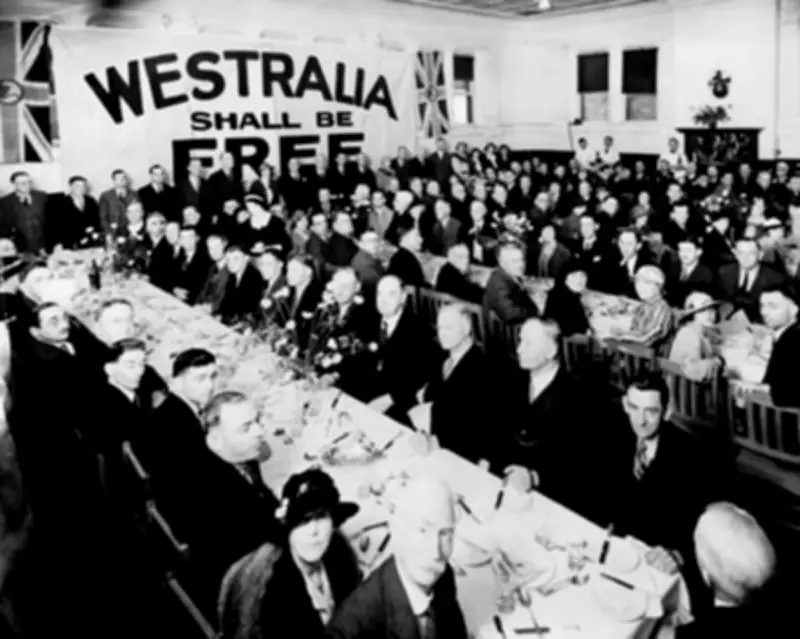
The historic cry of "Westralia shall be free" echoes once more as a new book reignites the debate over Western Australia's potential secession from Australia. In 1933, a referendum saw 66% of WA's population vote in favor of independence, a dream ultimately thwarted by constitutional complexities and the outbreak of World War II. Now, nearly a century later, authors of the book Secession by Western Australia argue that the movement could gain traction again, fueled by contemporary grievances.
Modern Drivers of Secession Sentiment
According to Professor Gigi Foster, an economist at UNSW and co-author of the book, Western Australians have cultivated a distinct identity separate from the eastern states. She notes a "generally positive, if hesitant" view toward independence, driven by perceptions of being "poorly done by" the federal government in Canberra, located over 3,000 kilometers away. Key factors include the collateral harms from Canberra's Covid-19 response, the under-taxation of WA's lucrative natural resources sector, and escalating living costs.
Julian Gillespie, the book's principal author and a former barrister, criticizes the federal governance layer as "enormously expensive," pointing to doubled energy bills since 2019 and increasingly unaffordable housing. He questions the value added by the federal project, suggesting that states have "grown up" and no longer need it after 125 years of federation.

Government Opposition and Practical Challenges
The Albanese government has strongly rejected the secession idea, with Patrick Gorman, the assistant minister to the prime minister and federal member for Perth, labeling it an "idiotic" concept. He warns that global conflicts, such as those in the Middle East, underscore the importance of national unity. Gorman argues that secession would leave WA with a weaker economy, no defence force, and waste billions on bureaucratic adjustments.
Historians like Associate Professor Benjamin Mountford from Australian Catholic University trace secession calls back to WA's initial reluctance to join the federation, citing its unique economy, sparse population, and European connections. Dr. David Lee, a historian at UNSW, adds that independence agitation often spikes during economic downturns, but practical hurdles—such as WA's reliance on mining, defence arrangements, and social security systems—make secession "very difficult to surmount."
Economic Blueprint for an Independent Westralia
The book proposes a radical economic model for an independent WA, advocating a 20% tax on natural resource miners and oil and gas producers. This tax would replace all income taxes for businesses and individuals, drawing comparisons to energy-rich nations like Qatar and Norway. Gillespie highlights that Qatar's citizens pay no personal income taxes and enjoy high-quality lives supported by a sovereign wealth fund.
The authors claim this plan would benefit onshore miners, ensure fiscal stability, and redistribute wealth, though they acknowledge it would require years of implementation. The secession question could only be presented after the next state election in early 2029, according to Gillespie.
Constitutional and Legal Pathways
While the Australian constitution describes the federation as "indissoluble," the authors suggest that legislative changes, particularly the 1986 Australia Act, might offer a unilateral pathway for WA to break away. This act severed legal ties with the British Parliament, potentially altering the dynamics of state sovereignty.
Foster views the book as a "gauntlet thrown down," positioning WA as a potential "beacon" for eastern Australia. However, she emphasizes that the proposal needs extensive consultation with WA's residents to be fully developed.
Political Repercussions and Future Outlook
Gorman dismisses the book as representing fringe views, accusing it of using secession "as cover for radical rightwing tax policies that have failed to stand on their own." He describes the plan as "flimsy, expensive," and offering "false hope" to isolationists.

In contrast, the authors frame their call for self-governance as an embrace of "Australianness," arguing that loyalty to Australian ideals compels them to reject a system they believe routinely betrays those principles. Despite current low support, the debate highlights enduring tensions between state and federal interests in Australia's political landscape.