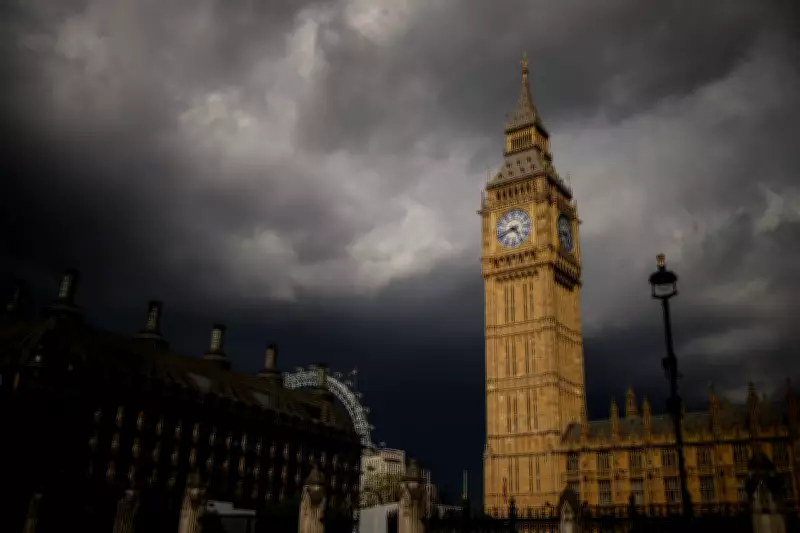
The Palace of Westminster stands as a stark metaphor for the current state of Britain. Globally admired for its iconic architecture and historical significance, it embodies both ceremonial grandeur and practical function, blending ancient traditions with modern demands. Yet, much like the nation's democracy, it is undeniably beautiful but critically flawed, infested with pests and teetering on the brink of potential catastrophic fire. Astonishingly, the entire political establishment remains incapable of addressing the urgent repairs needed for this national treasure, even as it shelters their daily operations.
Understanding the Restoration and Renewal Programme
To grasp the chaos of the Restoration and Renewal Programme is to understand why Britain struggles with construction, growth, and effective leadership. Both the House of Commons and House of Lords acknowledged the necessity for repairs as far back as 2012, but it took until 2015 merely to produce a preliminary scoping document. Since then, the process has been mired in bureaucracy, with 31 separate business cases, legislative actions, and reports, the latest spanning 128 pages. Despite this flurry of activity, no definitive decision has been reached, and the Conservative Party is now advocating for a pause on current proposals.
Reasonable Objections vs. Inaction
It is fair to question a plan projected to last 60 years and cost £40 billion. Demands to transform a Victorian-era building into a net-zero facility and ensure wheelchair accessibility in every obscure corridor may seem excessive. However, it is entirely unreasonable to persist in a state of paralysis, allowing the structure to deteriorate further without action.

A House of Pain and Political Failures
Some skeptics doubt Britain's capability to execute such a complex project, citing the debacle of a new security door for the House of Lords, which cost £9.6 million yet is both aesthetically displeasing and functionally ineffective. This perspective, however, represents a counsel of despair. If medieval stonemasons could construct Westminster Hall with rudimentary tools, surely modern society possesses the means to restore it.
Others propose relocating Parliament out of London and converting the current site into a museum. This idea fails on practical grounds: a museum would still require safety measures for human occupancy, necessitating extensive repairs that might offer worse value to taxpayers than maintaining it as a functional workplace. More fundamentally, it fails on principle. London, as the capital city, should rightfully host the seat of government and the monarch's engagements with it. Moving Parliament to a lesser city would constitute constitutional vandalism, driven by disdain for MPs and a desire to exacerbate their hardships.
A Legacy of Ignominy
Every British child learns of Guy Fawkes' attempt to blow up the Houses of Parliament. In a tragic irony, today's politicians risk being remembered for allowing the same institution to burn down through sheer indolence and indecision. The ongoing failure to address Westminster's decay not only threatens a historic landmark but also symbolizes a broader inability to govern effectively, casting a long shadow over Britain's future.