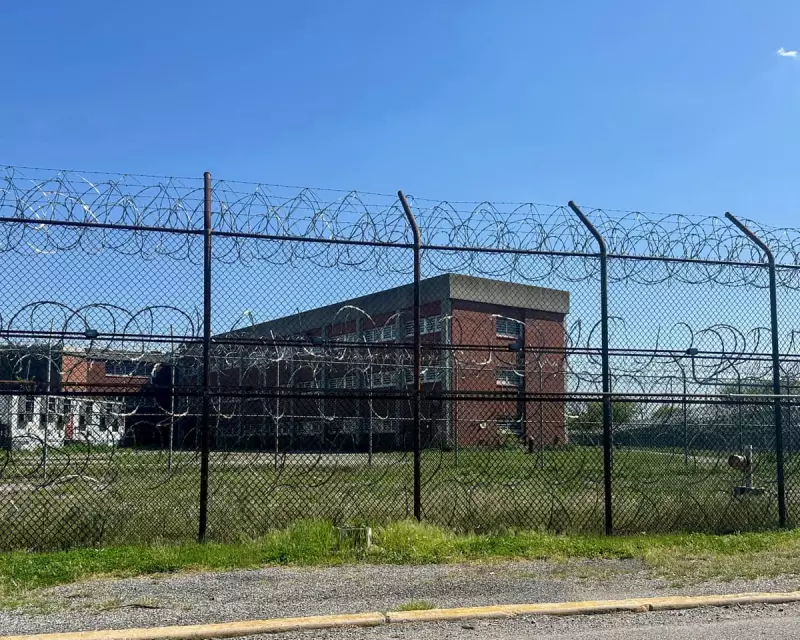
A stark investigation into America's state prison systems has revealed a culture of violence and neglect, where a lack of oversight allows brutality to become routine. The recent deaths of two handcuffed men in New York facilities have catalysed a wider examination, exposing a national crisis that extends far beyond a single state's walls.
A System Operating in the Dark
The public remains largely unaware of what their tax dollars fund behind prison walls. A 2024 review by the National Conference of State Legislatures found that only 19 states have fully independent, permanent prison oversight bodies. This lack of accountability has deadly consequences. In states like Louisiana, Mississippi, Missouri, Oklahoma, Arkansas, and Alabama, watchdogs consistently uncover horrific conditions, from fatal medical neglect to unaccountable death tolls.
Alex Duran, who served 12 years in New York state prisons, attests to how easily cruelty flourishes without scrutiny. "I know how easily cruelty becomes routine when no one is watching," he states, recalling nights filled with screams and mornings discovering suicides after pleas for mental healthcare went unanswered.

Alabama: A Case Study in Lawlessness
Nowhere is the crisis more acute than in Alabama. In 2024, close to 300 incarcerated people died in the state's prisons, with over 100 perishing in just the first half of 2025. The documentary The Alabama Solution, co-produced by Duran, uses contraband cellphone footage to reveal a predatory system. The footage shows a Hobbesian reality: men bleeding from stab wounds, others slumped and convulsing from drugs, all within state-run facilities.
Paradoxically, the state often fights harder to criminalise the cellphones that expose this cruelty than to confront the conditions they reveal. This footage, often smuggled in by guards and sold on the black market, has become a vital, if illicit, tool for piercing the system's opacity.
Glimmers of Hope and the Path to Reform
There are models for a better way. During a visit to the Maine state prison, Duran witnessed incarcerated men using email, Zoom, and other digital tools in programmes instituted by forward-looking corrections commissioner, Randall Liberty. This demonstrates that when prison leadership has nothing to hide, technology can be a tool for connection, not just clandestine documentation.
New York has recently taken a legislative step. Governor Kathy Hochul signed an overhaul of the State Commission of Correction, expanding it from three to five members and mandating the inclusion of people with lived incarceration experience and expertise in public health. The effectiveness of this reform in moving beyond bureaucracy remains to be seen.
The brutality witnessed in facilities from New York to Alabama is not an accident but a choice, rooted in a centuries-old system. As US Supreme Court Justice Louis Brandeis argued, sunlight is the best disinfectant. For the sake of basic humanity and justice, the bright light of transparency is urgently needed in America's prisons now more than ever.