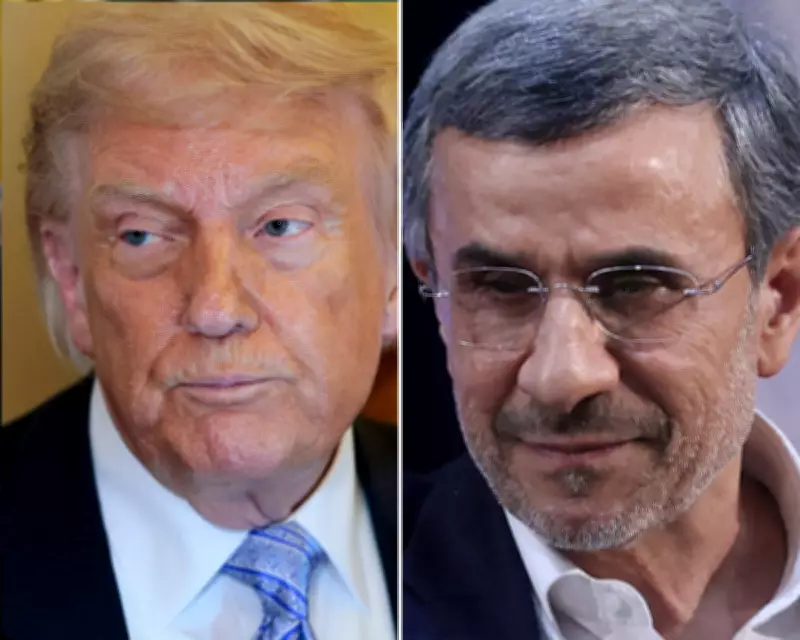
A surprising report from the New York Times has revealed that the United States and Israel had identified former Iranian President Mahmoud Ahmadinejad as their preferred candidate to lead Iran after the regime's anticipated collapse. However, the plan went awry when an Israeli strike on a security post intended to free him from house arrest instead injured him, leading to his disappearance.
A Populist Connection
Despite outward differences, Donald Trump and Mahmoud Ahmadinejad share a populist, headline-grabbing communication style. Observers have noted similarities in their autocratic governing approaches. Both have also been accused of overturning democratic election results—Ahmadinejad's controversial 2009 win and Trump's efforts to overturn the 2020 election.
From Populist to Pariah
Ahmadinejad, who served as president from 2005 to 2013, was a key figure in escalating tensions between Iran and Israel. His rhetoric calling for Israel to be "wiped off the map" and his government's Holocaust denial exhibitions set the stage for long-term conflict. He also championed Iran's nuclear program, further straining relations with the West.

After leaving office, Ahmadinejad became increasingly disenchanted with the Iranian regime. He fell out with Supreme Leader Ali Khamenei and was barred from running for president in subsequent elections. His movements were restricted, possibly due to contacts with Israel.
The Plan and Its Failure
The US and Israel reportedly hoped Ahmadinejad would lead Iran after a regime collapse. However, an Israeli strike on the first day of the war on February 28 killed guards and injured Ahmadinejad. He reportedly went into hiding, disillusioned with the scheme.
Former White House adviser on Iran noted that Ahmadinejad had shown a willingness to change his stance on Israel, recognizing that his previous antics were unhelpful. However, questions remain about his popularity and ability to lead.
Implications and Questions
The leak of this plan raises questions about infiltration within the Iranian regime. Alex Vatanka of the Middle East Institute questioned who leaked the information and why, suggesting it could create paranoia within the regime.
The failed attempt highlights the complexities of regime change and the unpredictable role of populist figures in international politics.