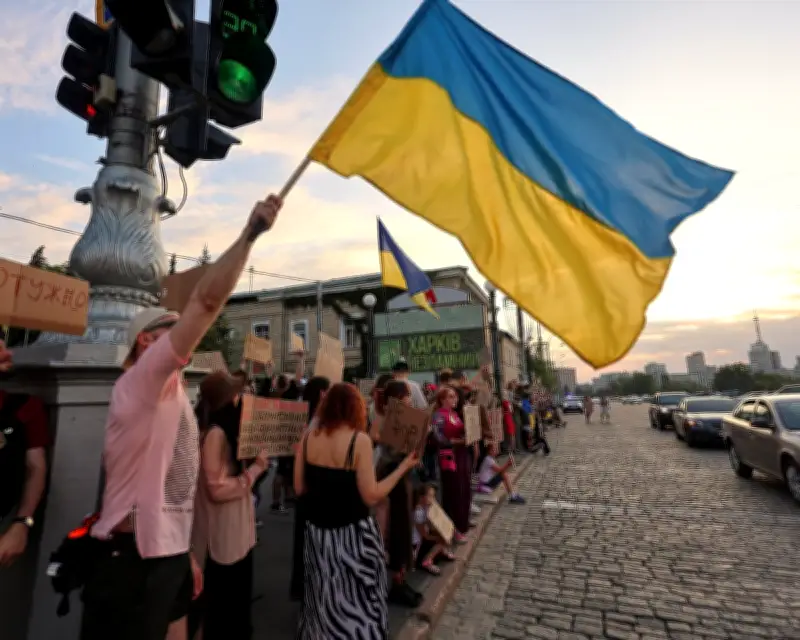
Thousands of protesters have taken to the streets in Ukraine, demanding the dismissal of Commander-in-Chief Oleksandr Syrskyi after President Volodymyr Zelenskyy sacked Defence Minister Mykhailo Fedorov last week. The protests, which occurred in Kharkiv on 20 July 2026, underscore growing internal tensions as the country continues to endure brutal Russian strikes.
Fedorov's dismissal sparks outrage
The 35-year-old Fedorov, widely credited for significant improvements in Ukraine's military performance and reducing corruption, made a scathing attack on General Syrskyi after his dismissal, accusing him of blocking reforms and refusing to cooperate. The pair clashed over Fedorov's plans to improve recruitment and training to reduce anger over the conscription system. A Soviet-schooled military officer, Syrskyi is deeply embedded within institutions, while Fedorov is a young civilian disruptor taking a more agile, improvisational approach.
Now it is widely rumoured that General Syrskyi will depart. The general claims to have been 'surprised to learn … of a conflict' but seems to have seen the minister as exceeding his remit and effectively taking control of units.
Impact on war momentum
The row threatens Ukraine's regained momentum in the war against Russia, after last summer's nadir. Moscow has failed to translate a massive expansion of ground forces into a sustained advantage, and its spring offensive fell short of ambitions. Kyiv is taking the fight to the aggressor, with impressive attacks on logistics and critical infrastructure deep inside Russia leading to widespread fuel rationing, diminishing public appetite for war. However, Moscow may now be stabilising supply. Crimea, annexed in 2014 and now strategically critical, is struggling with petrol, water and electricity shortages.
Civilian casualties on both sides rose 37% in the first half of this year, the UN said, reflecting increasing strikes on heavily populated cities far from the frontline.
Western and domestic concerns
In an article this week, Valerii Zaluzhnyi, ambassador to London and former commander-in-chief, warned against believing that Russia had lost. It is still counting on its size and the gradual weakening of international support to exhaust Ukraine 'economically, militarily and psychologically'. Western leaders are watching the domestic crisis with concern and want to see stability. The US president, after meeting Zelenskyy at the Nato summit this month, said there was 'a lot of love in that room', but no one is counting on his amicability to last. European enthusiasm for enhanced sanctions is wavering.
The most important issue, however, is the judgment of Ukrainians. They have understood that wartime can require different leadership, even if they had existing concerns about Zelenskyy's centralising tendencies, populism and suspicion of potential political rivals. But they have not handed him a blank cheque. There were concerns when he fired Zaluzhnyi as military chief in 2024. A year ago, protests forced him to U-turn after he stripped anti-corruption agencies of their independence.
Accountability in wartime
This new crisis could yet threaten Ukraine's laudable military and diplomatic successes. But it also demonstrates that while war has muted criticism and taken elections off the table, Zelenskyy remains answerable to the public. That accountability, unimaginable in Russia, is another powerful reminder of why Ukraine is fighting, as well as a way to ensure that it does so effectively.