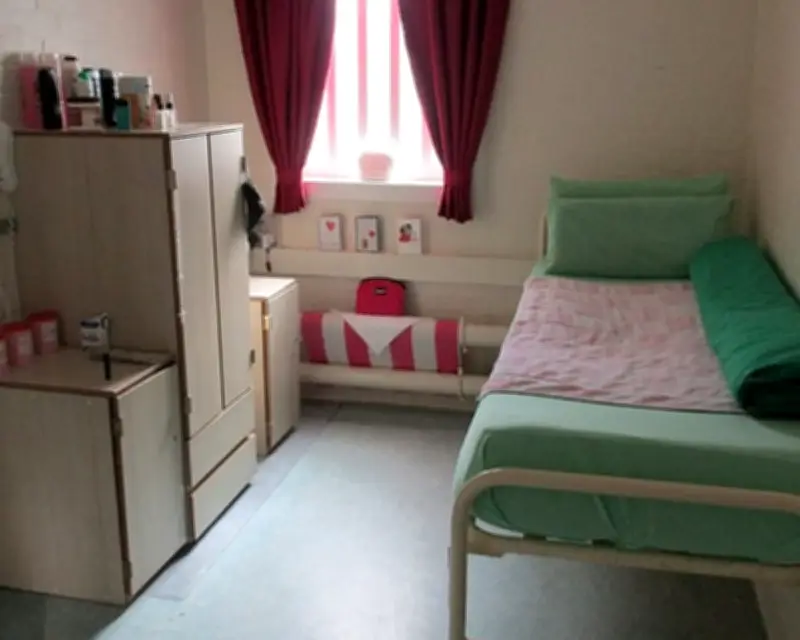
Prisons in England and Wales are in an appalling state, according to the annual report from the outgoing head of the prisons watchdog, Charlie Taylor. While he highlights examples of good practice—such as a strengthened focus on reading in some jails and improved staff-prisoner relationships at HMP Low Newton in County Durham—the overwhelming impression is of profound and shocking failure.
Key Findings from the Report
The criteria used by inspectors to judge prisons are safety, respect, preparation for release, and purposeful activity. Unfortunately, prisons are failing on all fronts, especially purposeful activity. Only two men's prisons out of 35 were judged as offering good work and education. In most places, budgets and classes have been cut, and attendance is poor. A survey for the inspectorate found that 34% of male prisoners reported spending more than 22 hours a day locked in their cells.
Drugs and Violence at Disturbing Levels
Mr Taylor also sounds the alarm about drugs, describing the scale of the problem as hard to believe. Drug dealing inside prisons is systematic and flagrant, overseen by organised crime gangs that operate with impunity. In a survey, 41% of male prisoners said that drugs were easy to obtain, while 47% of women reported having a drug or alcohol problem. The illicit economy fuels alarming levels of violence.
Government Response and Reviews
It was announced last week that former home secretary Amber Rudd will carry out a review for the Ministry of Justice focused on security. The government also commissioned former senior Conservative David Gauke to review sentencing policy, seeing an advantage in a cross-party approach. However, it is disturbing that the Prison Service is viewed as unable to cope and in need of outside help.
Criticism of Whitehall and Call for Autonomy
Some of Mr Taylor's strongest criticisms are aimed at Whitehall. He argues that effective governors are held back by 'ludicrous rules' and 'irksome demands' from the centre. He suggests that Andy Burnham could seek to make deals granting greater autonomy to prisons, as well as to mayors and councils, as part of a regional empowerment package.
Self-Harm and Early Release Challenges
Self-harm in women's prisons continues at a 'staggeringly' high level. A further challenge is preparing for a wave of early releases in the autumn. Currently, 20% to 30% of those reaching the end of a jail term have no home. There are also distressing failures in relation to victims and the information they receive about releases.
Conclusion
Mr Taylor is right to say that the public deserves more for the £59,000 per year per prisoner that prison costs. The existence of pockets of progress shows that it does not have to be like this.