UK Religious and Political Leaders Emphasize Middle East Conflict in Easter Messages
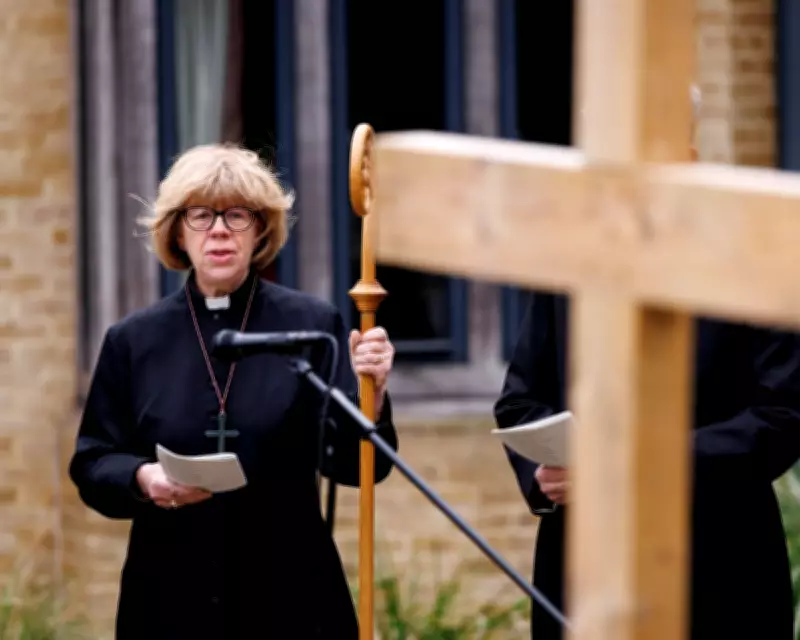
Religious and political leaders across the United Kingdom are placing significant emphasis on the ongoing conflict in the Middle East within their Easter messages this year, issuing urgent calls for peace, justice, and freedom in the region. The Archbishop of Canterbury, Dame Sarah Mullally, is set to deliver her first Easter sermon at Canterbury Cathedral, where she will pray for an end to the violence that has escalated in recent weeks.
Archbishop's Urgent Plea for Peace
In her highly anticipated address, Archbishop Mullally will call with renewed urgency for peace in the Middle East and the Gulf region. She is expected to pray specifically for an end to the violence and destruction that has plagued the area, emphasizing that this conflict has brought immense suffering to countless individuals.
'This week, our gaze and our prayers have been turned towards the land where Jesus was crucified and raised from the dead,' Mullally will tell the congregation. 'Today, as we shout with joy that Christ is risen, let us pray and call with renewed urgency for an end to the violence and destruction in the Middle East and the Gulf.'

The Archbishop will further express hope that all people in the region might receive the peace, justice, and freedom they deeply long for, acknowledging the profound impact of the conflict on both local populations and global stability.
Context of the Conflict
The Archbishop's plea comes as the war, initiated by the United States and Israel against Iran in late February, enters its sixth consecutive week. This prolonged conflict has resulted in thousands of casualties and has triggered significant economic repercussions worldwide, including soaring fuel prices due to an effective blockade of the Strait of Hormuz, a critical global shipping route.
Beyond the immediate humanitarian crisis, the conflict has exacerbated tensions and created uncertainty in international markets, highlighting the interconnected nature of global peace and security.
Personal and Community Support
In addition to addressing international conflicts, Archbishop Mullally will also focus on personal struggles faced by individuals within the UK. She plans to offer comfort to those dealing with challenges such as unemployment, illness, and bereavement, assuring them that they are not alone in their difficulties.
'Perhaps you are here today standing in your own version of the dark, perhaps with your own heart shattered,' Mullally will say. 'If you have been knocked off course by illness, bereavement, unemployment or any other human crisis – I pray you know that God walks with you through that darkness.'
Drawing on her background as a former chief nurse in England, Mullally will give special recognition to caregivers across society, praising their dedication and compassion in supporting others during times of need.
Prime Minister's Call for Unity
Prime Minister Keir Starmer has also referenced the Middle East conflict in his Easter message, noting that it is causing real anxiety for many people across the country. Starmer described Easter as a celebration of hope, new life, and renewal, while paying tribute to churches and Christian communities for their tireless support of families and neighbors.
'Churches have been rooted in their neighbourhoods, working to combat poverty, fear and isolation,' Starmer stated. 'In times when some seek to divide, the government is committed to working across faiths and differences to build a country that is more resilient, inclusive and connected.'
The Prime Minister emphasized that Easter this year arrives at a time of significant anxiety due to conflicts abroad, domestic pressures, and uncertainty about the future. He concluded his message with a powerful call for unity, urging citizens to choose community over division, kindness over indifference, and service over self-interest.
Historical Significance
Archbishop Mullally's sermon holds particular historical importance as she is the first female Archbishop of Canterbury in the Church of England's history. She was formally enthroned last month in a ceremony attended by the Prince and Princess of Wales, marking a new chapter in the church's leadership.

This Easter, as leaders across the UK deliver their messages, the focus on both global conflicts and local community support underscores the dual role of faith and politics in addressing contemporary challenges, from international warfare to personal hardship.