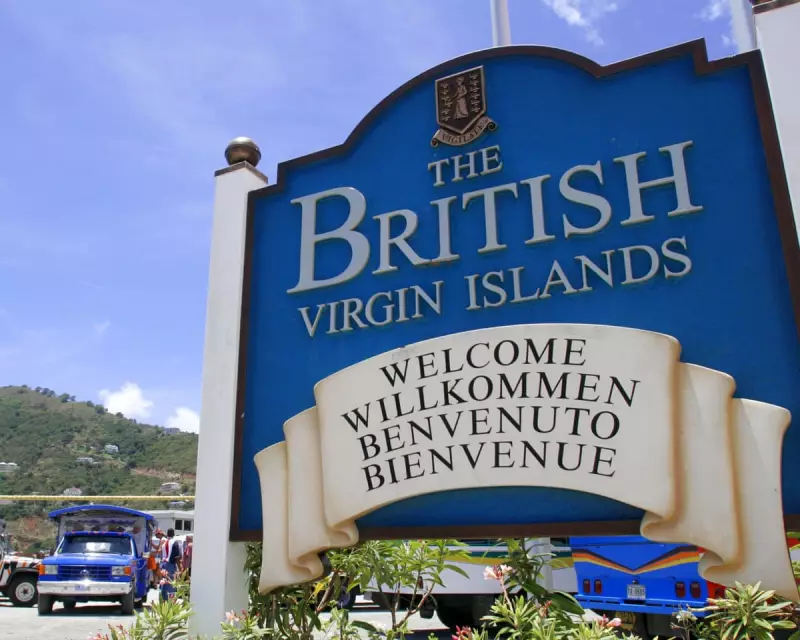
The UK government is facing sharp criticism for allegedly surrendering to pressure from the British Virgin Islands over access to crucial company ownership records, potentially undermining Britain's flagship anti-corruption initiatives.
Last Chance for Transparency
An all-party parliamentary group has issued a stark warning that this week's meetings between Foreign Office ministers and leaders of British overseas territories represent the final opportunity to address embarrassing corruption issues before next year's high-profile Global Illicit Finance Summit. The summit, announced by former foreign secretary David Lammy, is central to the government's vision of establishing the UK as the anti-corruption capital of the world.
The British Virgin Islands is attempting to limit access to its register of company share ownership to only those deemed to have a legitimate interest, directly contradicting legislation passed by the UK government back in 2008 that would make such registers publicly available to all.
Broken Promises and International Scrutiny
At the last joint ministerial council meeting in 2024, all British overseas territories that hadn't already done so committed to designing and implementing open corporate registers by June 2025. The UK had originally set a December 2023 deadline for the preparation of these public registers, providing more than five years since the initial legislation was passed.
Phil Brickell, chair of the all-party parliamentary group on anti-corruption and responsible tax, coordinated a letter urging ministers to ensure jurisdictions including the BVI and Cayman Islands introduce long-promised transparency measures. Brickell stated: "This has gone on for long enough. Time and time again promises have been broken and Britain's reputation as a clean and fair place to do business has been dragged through the mud."
The situation has drawn international attention, with the Financial Action Task Force grey-listing the BVI in June 2025 specifically citing its lack of transparency surrounding beneficial ownership.
Legitimate Interest Concerns
The BVI's proposed definition of legitimate interest includes anyone investigating money laundering, terrorist financing, or proliferation financing. However, the rules also grant the registrar power to deny access if they believe it's in the public interest of the BVI to do so.
Transparency International has raised serious concerns about these restrictions, noting that legitimate interest users would only see a subset of data rather than complete information submitted to the register. This means investigators would likely only see the names of nominee shareholders or trustees holding companies on behalf of hidden beneficiaries.
The scale of the issue is substantial, with the BVI thought to have 12 companies registered for every individual BVI citizen. Margaret Hodge, the government's anti-corruption champion who visited the BVI in September, expressed hope that this week's meetings would finally produce an agreement on registers, having been instrumental in passing the original laws requiring transparency.
As the debate continues, the UK government faces mounting pressure to demonstrate its commitment to financial transparency and anti-corruption measures while navigating complex relationships with its overseas territories.