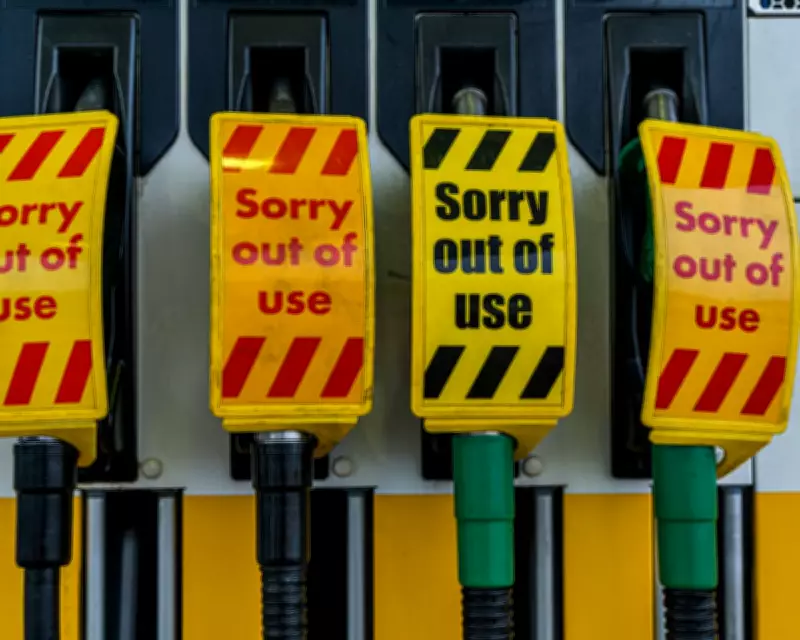
The specter of petrol rationing, a relic from the 1956 Suez crisis, now looms over Britain as the conflict in the Gulf intensifies. With the Strait of Hormuz rendered perilous by Iranian drones and mines, oil supplies are under severe threat, potentially forcing the UK into drastic measures within weeks. This dire warning comes from Nick Butler, a former BP executive and government adviser, who highlights the risk of physical oil shortages that could necessitate prioritizing emergency services and other critical users.
Global Ripple Effects and Economic Fallout
The crisis has already triggered emergency responses worldwide. Pakistan has closed schools and implemented a four-day workweek for government offices, while Vietnam encourages remote work. Bangladesh has stationed soldiers at fuel depots after introducing rationing for motorcyclists. These measures underscore the global economic strain, with the Resolution Foundation thinktank estimating that sustained energy price hikes could increase average British household energy bills by £500 annually.
Political Repercussions and Populist Surge
The economic turmoil is fueling political instability. Nigel Farage and Kemi Badenoch, initially supportive of the conflict, now face scrutiny as "Trumpflation" impacts the UK. The Greens and Reform UK are gaining traction by capitalizing on public frustration over the relentless cost-of-living crisis. Chancellor Rachel Reeves has moved swiftly to aid 1.7 million rural households reliant on oil heating, but warns that future financial assistance will target lower earners, signaling tougher decisions ahead.

The Net Zero Dilemma
Amid the crisis, a critical debate emerges: should the government subsidize bills or accelerate the transition to net zero? Modelling by the Climate Change Committee suggests that adhering to net zero goals could limit energy bill increases to just 4% by 2040, compared to 59% in a high-carbon scenario. However, Germany's experience with phasing out Russian gas shows that such transitions can provoke public backlash, benefiting far-right parties like the Alternative für Deutschland.
Leadership Under Pressure
Prime Minister Keir Starmer faces a pivotal choice: prioritize immediate resilience by cushioning citizens through the crisis or commit to long-term sustainability through aggressive net zero policies. The conflict with Iran, though unintended, forces these decisions onto the political agenda. As fuel prices threaten to remain elevated into autumn, the government must balance short-term relief with strategic investments in electric vehicles and heat pumps to reduce dependency on volatile petrostates.
The UK stands at a crossroads, with war in the Gulf exacerbating existing economic vulnerabilities and testing political resolve. The coming weeks will reveal whether leaders can navigate these turbulent waters without succumbing to panic or populism.