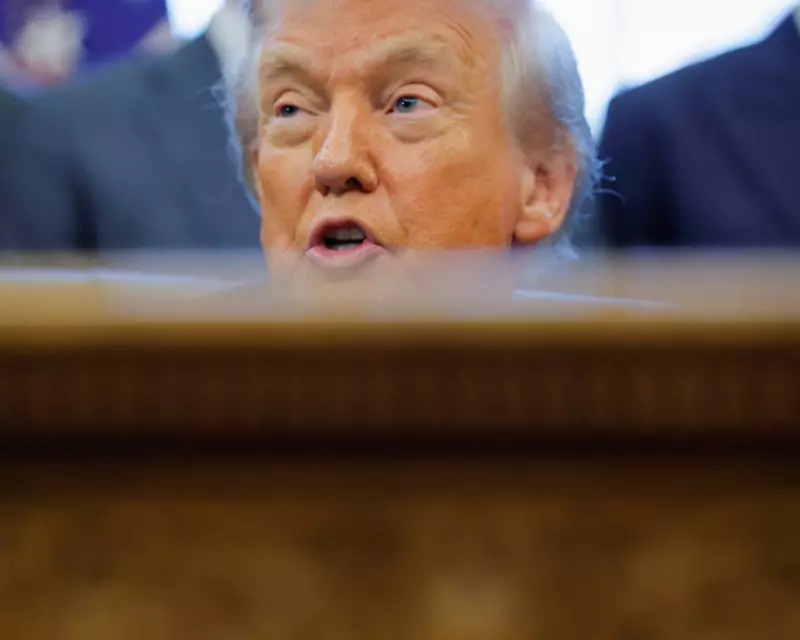
Critics of Donald Trump's recent military strike in Venezuela have focused on its legality, but the domestic political implications are proving far more significant for the former president. With approval ratings languishing and voters deeply concerned about healthcare and the cost of living, the action is widely perceived as a failed attempt to change the narrative.
A 'Wag-the-Dog' Strategy Meets Voter Skepticism
Ordered on 3 January, the venture into Venezuela appears designed to secure an easy foreign policy victory. However, public reception has been cool. A Reuters/Ipsos poll reveals only 33% of Americans support the strike, with a substantial 72% worried about deepening US involvement. Furthermore, an Economist/YouGov poll from 2-5 January showed a gendered split: Trump's approval rose 4 percentage points among men but fell 5 points among women in the wake of the action.
The move has sparked criticism from within Trump's own base, notably from figures like Marjorie Taylor Greene. Many Maga supporters backed Trump precisely for his "America First" promises of no more foreign wars and a focus on domestic issues. Greene articulated this betrayal, stating she voted for "no more foreign wars, no more regime change and putting the American people first", which meant action on healthcare and housing affordability.

Oil Interests Over American Voters
Analysts argue the strike's primary beneficiary is clear: the US oil industry. Trump has admitted the operation aims to commandeer up to 50 million barrels of Venezuelan oil to influence petrol prices. More controversially, he suggested US taxpayers could foot a bill of billions of dollars to help corporations like ExxonMobil and Chevron rebuild Venezuela's oil infrastructure, with reimbursement expected through future tax revenue.
This focus on oil does little to address the pressing concerns of American households. Trump's approval on health policy sits at just 30%, with 31% approving his handling of the cost of living. The recent blocking of Democratic efforts to extend Obamacare subsidies is set to increase premiums for over 22 million Americans. Meanwhile, inflation remains at 2.7%, barely changed from when Biden left office, and the national debt is projected to grow by $3.8 trillion due to tax cuts.
Risk of a Foreign Quagmire
Despite initial boasts following the capture of Nicolás Maduro, the situation risks mirroring past foreign policy disasters. Trump has indicated US entanglement could last for years and has not ruled out "boots on the ground". This stance directly contradicts his campaign pledges to "keep our country out of ... endless wars" and abandon "nation-building and regime change".
The potential for a protracted conflict or civil war in Venezuela poses a significant distraction from the domestic agenda. Furthermore, the environmental implications of bolstering fossil fuel production alienate younger voters concerned about climate change. Democrats are poised to frame the intervention as a handout to giant oil corporations that offers nothing to average citizens struggling with affordability.
Ultimately, Trump's Venezuelan power play highlights a stark reversal from his "America First" rhetoric. As the public sees the action for what it is—a gambit to aid a detested industry—it may deepen voter disillusionment rather than provide the political diversion he sought.