Trump's Controversial Response to Death of Former FBI Director Robert Mueller
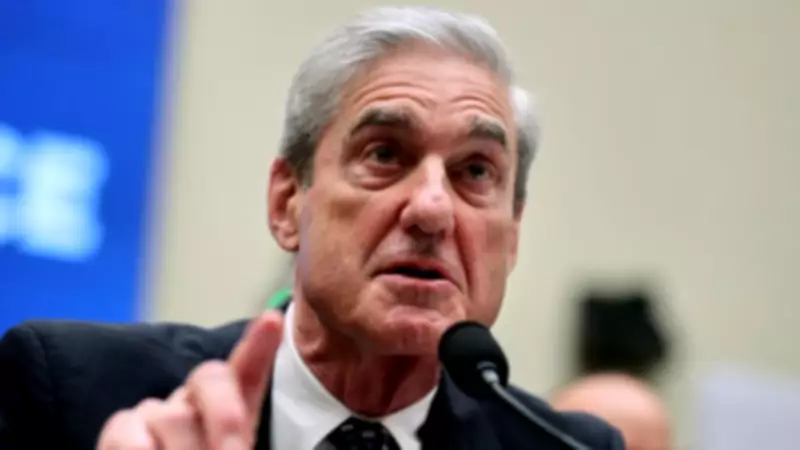
Former US President Donald Trump has ignited a firestorm of controversy with his reaction to the passing of Robert Mueller, the former FBI director who spearheaded the high-profile investigation into alleged ties between the Trump campaign and Russia. Mueller, who served as special counsel in the inquiry, died on Friday at the age of 81, as confirmed by his family in a statement released on Saturday.
Trump's Blunt Social Media Post
Taking to his Truth Social platform on Saturday, Trump posted a blunt and unapologetic message regarding Mueller's death. "Robert Mueller just died. Good, I'm glad he's dead. He can no longer hurt innocent people!" the former president wrote. This stark declaration has drawn widespread attention and criticism, highlighting the enduring tensions from Mueller's divisive investigation.
Mueller's Legacy and the Trump-Russia Investigation
Robert Mueller's career was marked by significant contributions to US law enforcement, particularly during his 12-year tenure as FBI director, which began just one week before the September 11 attacks. Nominated by former Republican President George W. Bush, Mueller transformed the FBI into a terrorism-fighting force, navigating the aftermath of the 2001 attacks and enhancing the agency's intelligence capabilities.

However, Mueller is perhaps best known for his role as special counsel in the Trump-Russia investigation, which spanned nearly two years and resulted in a 448-page report released in April 2019. The report identified substantial contacts between the Trump campaign and Russia but did not allege a criminal conspiracy. It also detailed efforts by Trump to influence or shut down the investigation, with Mueller notably stating, "If we had confidence after a thorough investigation of the facts that the president clearly did not commit obstruction of justice, we would so state. Based on the facts and the applicable legal standards, we are unable to reach that judgment."
Impact and Aftermath of the Inquiry
The investigation led to charges against 34 individuals, including Russian intelligence officers and several Trump associates, such as his campaign chairman and first national security adviser. Despite the lack of a conspiracy charge, the probe remains one of the most consequential and polarizing in US Justice Department history, continuing to fuel political debates.
Mueller's tenure at the FBI was also defined by strategic changes, as he shifted focus from traditional criminal cases to long-term intelligence and technology upgrades. He faced challenges, including revelations that the FBI circumvented laws to obtain phone records for terrorism investigations. Serving until 2013, Mueller became the second-longest-serving FBI director, behind only J. Edgar Hoover.
His death marks the end of a chapter in American politics, but Trump's response ensures that the legacy of the Trump-Russia investigation will remain a topic of intense discussion and controversy.