Trump's Popularity Declines Following Lengthy State of the Union Address
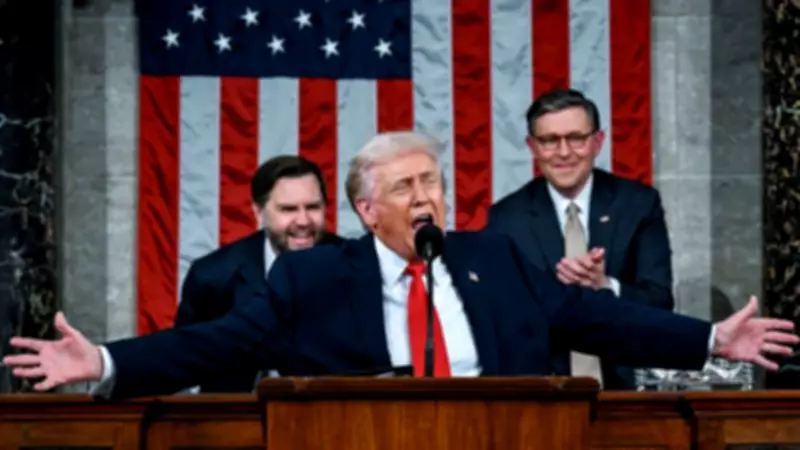
Donald Trump's standing in public opinion polls has experienced a significant decline following his recent State of the Union address, which spanned one hour and forty-eight minutes but ultimately failed to deliver substantial new policy announcements or meaningful progress updates.
A Familiar Performance Without Fresh Substance
The address, delivered before Congress, featured many of the same themes and catchphrases that characterized Trump's successful 2024 presidential campaign. The president reiterated his "America First" agenda, promoted energy independence with his signature "drill baby drill" mantra, and touted achievements in border security and immigration control.
Despite the lengthy presentation, political analysts noted the speech contained remarkably little new information or policy direction. Trump spoke extensively about what he described as a "roaring economy," yet many Americans report not experiencing the economic benefits in ways that would significantly boost presidential approval ratings.

Political Context and Republican Concerns
The timing of this address comes during a critical mid-term election year when Trump faces the challenge of retaining support within his own party. Recent polling data indicates Republican loyalty has shown signs of erosion, creating additional pressure on the president to deliver a compelling performance that would rally his political base.
The State of the Union event itself blended political messaging with entertainment elements, at times resembling a television game show format. The program included tributes to various attendees, awards presentations, and even featured a reunion between Venezuelan politician Enrique Marquez and his niece.
International Tensions and Domestic Politics
One of the most anticipated aspects of the address concerned international relations, particularly regarding Iran. Many observers expected Trump to clarify his administration's position on potential military action against the Middle Eastern nation, especially given recent intelligence suggesting Iran is developing missiles capable of reaching United States territory.
Instead, the president maintained what analysts describe as a "holding position" that neither advanced nor retreated from previous public statements on the matter. While Trump continued to emphasize military preparedness and strength, he stopped short of announcing any definitive policy shifts regarding Iran.
Ceremonial Elements and Political Messaging
The address incorporated several ceremonial components that blended populist appeal with political theater. Trump paid tribute to the late conservative activist Charlie Kirk, condemned political violence in general terms, and introduced members of the United States men's ice hockey team, who received enthusiastic applause from attendees.
These elements highlighted Trump's comfort with performative aspects of the presidency while underscoring his continued emphasis on connecting with his political base through recognizable cultural and patriotic symbols.
Looking Ahead to Mid-Term Elections
With crucial congressional elections approaching, Republican strategists express uncertainty about whether Trump's leadership will provide the necessary momentum for party candidates. The president's declining poll numbers, combined with what many perceive as a lack of substantive policy advancement in his address, create challenges for Republicans seeking to maintain or expand their legislative majorities.
The State of the Union address ultimately revealed a president relying on familiar rhetoric and theatrical presentation at a time when many voters appear to be evaluating his actual record in office rather than campaign promises. As the mid-term election season intensifies, both Trump and his party face significant tests of their political strength and public appeal.