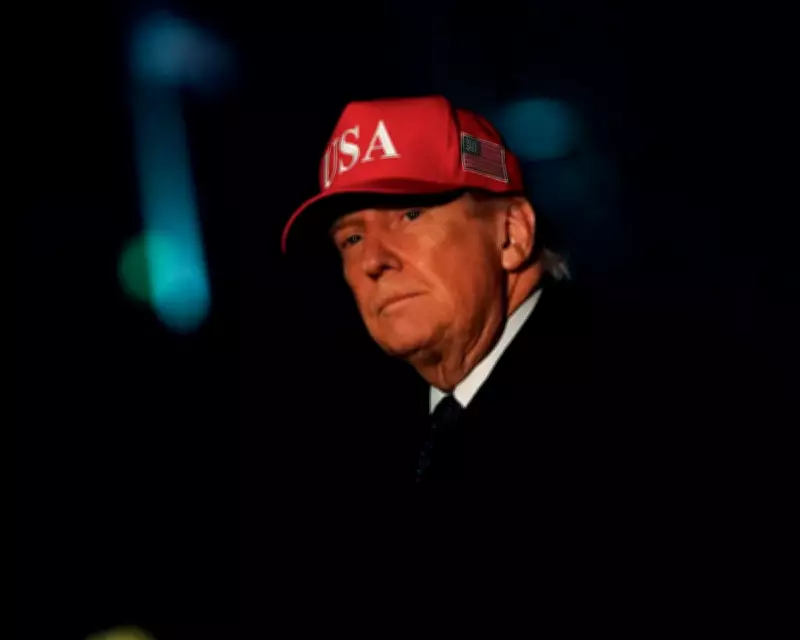
Trump's Iran Military Campaign Descends Into Strategic Quagmire
Donald Trump has returned to the White House following coordinated US and Israeli military strikes against Iran on March 1, 2026, but his administration faces mounting evidence of strategic failure that threatens American global standing and international stability. The military campaign, launched without congressional authorization, has triggered retaliatory strikes against US regional bases and Gulf Arab partners while failing to achieve its stated objectives.
Global Economic Fallout and Energy Crisis
The conflict has produced severe global economic consequences that extend far beyond the Middle East. Iran has successfully closed and reportedly begun mining the Strait of Hormuz, a critical global oil transit route that the Trump administration failed to adequately defend. This action has driven oil and gas prices to unprecedented levels, creating a worldwide energy shock that fuels inflation and threatens food and medicine shortages across vulnerable nations.
The economic impact is staggering: The war's financial cost exceeds $11 billion weekly, while ordinary citizens everywhere face mounting security threats and economic hardship directly attributable to what critics describe as reckless foreign policy decisions. Poorer nations will bear the brunt of this crisis, though few countries will escape the cascading effects of disrupted global trade and energy markets.

Military Stalemate and Escalating Violence
Despite intensive aerial bombardment of Iranian cities and infrastructure, the Islamic regime remains defiant and unvanquished. US and Israeli attacks have reportedly targeted Iranian homes, utilities, banks, cultural heritage sites, and mosques, actions that analysts suggest are counterproductively rallying nationalist support for the Tehran government rather than weakening its position.
In neighboring Lebanon, Israeli air strikes under Benjamin Netanyahu's direction have created what observers describe as a humanitarian catastrophe: civilian casualties, hundreds of thousands displaced, widespread destruction, and ongoing occupation. This campaign, ostensibly targeting Hezbollah, has drawn condemnation as disproportionate state violence that mirrors unchecked Israeli settler activities in the West Bank.
Strategic Blunders and Leadership Failures
Trump's approach to the Iran conflict reveals what foreign policy experts characterize as a fundamental lack of strategic planning. Unlike George W. Bush's 2003 Iraq invasion, which pursued clear (if flawed) objectives through ground forces, Trump has sought swift victory through aerial bombardment alone, demonstrating what critics call a fundamental misunderstanding of asymmetric warfare.
The administration's handling of the Strait of Hormuz represents a particularly glaring failure. Trump has reportedly asked allies including Britain to send warships to secure the strategic waterway while simultaneously escalating conflict by bombing Iran's Kharg Island oil terminal "just for fun"—actions that further destabilize global energy markets.
Unresolved Nuclear Threat and Regional Destabilization
The central issue of Iran's nuclear program remains dangerously unresolved despite repeated attacks on nuclear facilities. Iran retains hidden stockpiles of highly enriched uranium and scientific expertise that cannot be eliminated through military means. The assassination of former Supreme Leader Ali Khamenei, who had issued a fatwa against nuclear weapons development, removes a critical barrier to Iranian nuclearization—a potential outcome that could be directly attributable to current US and Israeli policies.
Meanwhile, Russia and China are reportedly profiting from the conflict, with Moscow temporarily released from US oil sanctions to Ukraine's detriment. Traditional US allies express dismay at Trump's refusal to consult and his administration's apparent lack of coherent strategic planning.

Legal and Moral Accountability Questions
The conflict has raised serious legal and ethical concerns, particularly regarding a US Tomahawk missile strike in Minab on February 28 that killed more than 100 schoolgirls. Trump's efforts to shift blame for this incident have drawn condemnation as war crimes that demand accountability. The administration's flouting of Geneva conventions and international law, combined with what critics describe as ethically challenged leadership from Pentagon officials, has damaged America's moral standing globally.
With nearly three years remaining in his term, Trump's handling of the Iran conflict represents what foreign affairs analysts describe as a clear and present danger to both American interests and global stability. The coming midterm elections may provide voters their first opportunity to register disapproval of policies that have produced military stalemate, economic disruption, and diminished US influence worldwide.