Oil Market Realities Trump Trump's Rhetoric on Iran Conflict
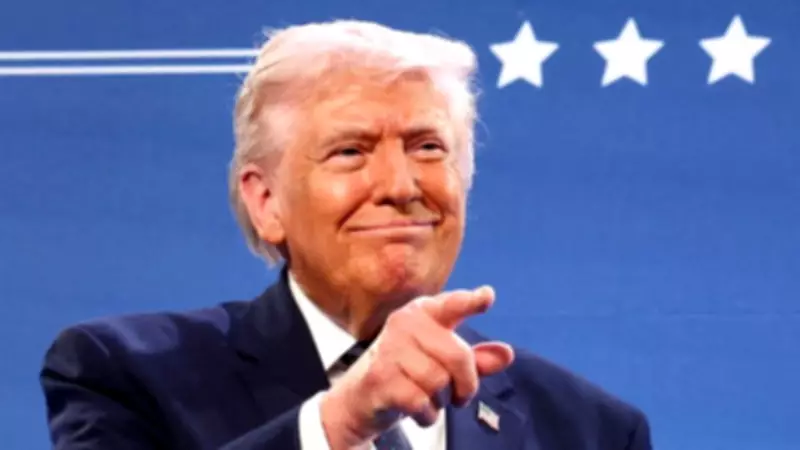
As the war in Iran continues to escalate, Donald Trump's typically bombastic statements have been overshadowed by a more powerful indicator: the fluctuating price of a barrel of oil. While the president claims the conflict could end "soon," financial markets are responding to the tangible risks on the ground, revealing a stark disconnect between political pronouncements and economic realities.
Trump's Shifting Timeline and Trader Skepticism
Just ten days ago, President Trump warned that the Iran war might persist for four to six weeks. However, during a recent news conference in Florida, he abruptly changed his tune, boasting that hostilities could conclude "very soon" and that military objectives were "pretty well complete." He listed battlefield successes, including claims that 5,000 targets had been struck.
Yet, traders in global markets are not swayed by such soundbites. They base their decisions on assessed risk, which explains the sudden urgency in Trump's rhetoric. When U.S. crude oil surged to $119 per barrel before dropping a record 4% on rumors of a potential ceasefire, it highlighted how financial pressures may be influencing presidential strategy.

Controversial Strikes and Geopolitical Blame Games
Amid the conflict, a strike on a school that claimed dozens of lives has drawn international condemnation. Trump stated he would "live with" the outcome of an investigation into the incident but attempted to shift blame elsewhere. He noted that many countries, including Iran, use Tomahawk missiles, calling them a "generic" weapon.
However, only the UK, Australia, the Netherlands, and Japan, besides the United States, possess Tomahawks. Unless Trump is suggesting one of these allies conducted the attack, his comments effectively implicate U.S. forces, adding to the war's complexities and diplomatic tensions.
Iran's Response and the Oil Price Leverage
Iran has mocked the U.S. military operation, with the country's foreign minister posting a graphic of oil prices alongside the message "Operation Epic Mistake"—a jab at the American codename "Operation Epic Fury." More significantly, Iran's Islamic Revolutionary Guard has issued a stark warning, stating that Tehran will not allow "one litre of oil" to be exported from the region if U.S. and Israeli attacks continue.
In response, Trump posted on Truth Social, threatening that if Iran disrupts oil flow through the Strait of Hormuz, they would be hit "TWENTY TIMES HARDER" than before. This exchange underscores how oil supply chains have become a central battleground in the conflict, with economic consequences reverberating worldwide.
The Bottom Line: Markets Override Political Promises
For traders in London, Houston, or Singapore, the critical question is not what Trump says but what unfolds on the ground in Iran. The volatility in crude prices demonstrates that, in times of war, the cost of a barrel often speaks more truthfully than presidential assurances of peace. As Trump appears poised to declare victory and seek an exit strategy, the relentless pressure from soaring oil costs may be the ultimate driver behind his newfound urgency to end the conflict.