Congressional Outrage Over Trump's Unauthorized Iran Military Action
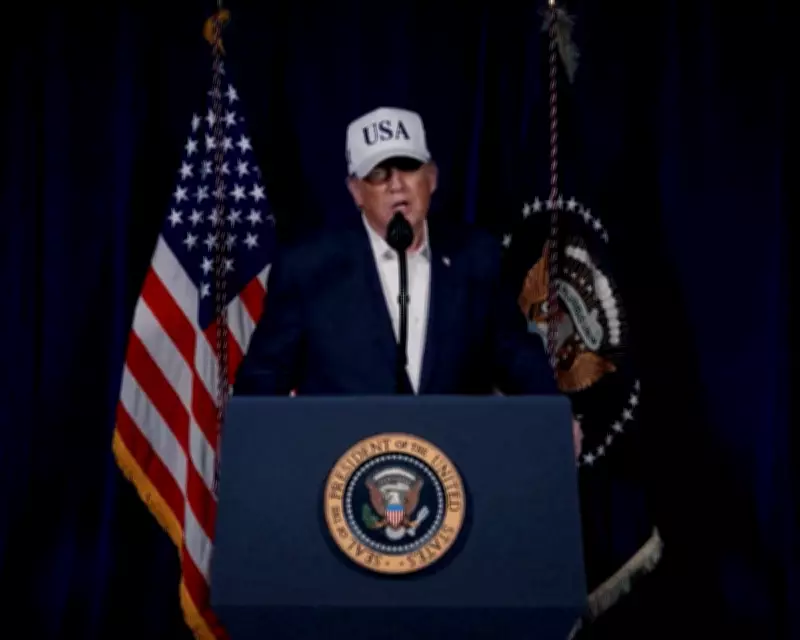
Members of Congress have swiftly condemned President Donald Trump's announcement of "major combat operations" against Iran, labeling the strikes as unauthorized acts of war that violated constitutional procedures. The military action, which Trump revealed in a video released on February 28, 2026, has ignited fierce bipartisan criticism for bypassing congressional oversight.
Bypassing the War Powers Resolution
Lawmakers emphasized that the strikes blatantly disregarded the 1973 War Powers Resolution, which mandates congressional approval for military engagements. Democratic Senator Tim Kaine of Virginia accused the Trump administration of providing "zero" notice to Congress, suggesting the White House rushed to initiate hostilities before a scheduled Senate vote on a war powers resolution he co-sponsored with Republican Senator Rand Paul of Kentucky.
"The evidence suggests that the secretary of state called the speaker of the House, and that was it. We did not receive notice," Kaine stated in an interview with NPR. He argued that the administration likely aimed to pre-empt congressional action, calling for an urgent return of Congress to address what he termed an "illegal war."

Constitutional Concerns and Bipartisan Criticism
David Janovsky of the non-partisan Project on Government Oversight highlighted the constitutional breach, stating, "The constitution is clear: Congress has the sole authority to declare war. The president's announcement today that the US has conducted military strikes in Iran without congressional approval is yet another flagrant abuse of power by this administration."
Republican Representative Thomas Massie of Kentucky, a frequent Trump critic, echoed this sentiment, condemning the strikes as "acts of war unauthorized by Congress." Massie has a joint resolution with Democrat Ro Khanna mirroring the Senate motion, scheduled for a House vote next week.
Contrast with Previous Military Buildups
The rapid escalation contrasts sharply with the prolonged buildup to the 2003 Iraq war under President George W. Bush, who publicly made a case—later disproven—about weapons of mass destruction. Trump's decision, announced in a brief three-minute segment of his State of the Union address, failed to build public support or consult key national security experts, fueling domestic outrage.
Divergent Reactions from Political Allies and Foes
While some Trump loyalists praised the action, such as Senator Lindsey Graham of South Carolina, who called it a historic turning point, others within Trump's base expressed disapproval. Right-wing broadcaster Tucker Carlson, a staunch Trump supporter, reportedly criticized the strikes as "disgusting and evil," reflecting concerns among some conservatives about entangling military conflicts.
Democratic Senator Ruben Gallego of Arizona condemned the action as "illegal," noting on social media, "I lost friends in Iraq to an illegal war. Young working-class kids should not pay the ultimate price for regime change and a war that hasn't been explained or justified to the American people."
Calls for Accountability and Strategic Clarity
Jim Himes, the ranking Democrat on the House intelligence committee, labeled the strikes "a war of choice with no strategic endgame," underscoring fears about the lack of clear objectives. Lawmakers are now pushing for immediate congressional action to invoke the War Powers Act, even post-hostilities, to reassert legislative authority over military decisions.
This unfolding crisis highlights deep divisions over presidential war powers and sets the stage for intense political battles as Congress reconvenes to address the unauthorized military engagement in Iran.