In a rare moment of unvarnished truth from a leader known for falsehoods, US President Donald Trump this week laid bare the guiding principle of his second term: an unshakeable belief in his own singular authority. This admission came at the end of a week that saw lethal military action in Venezuela and a deadly domestic incident in Minneapolis, painting a picture of a presidency operating with imperial ambition, both internationally and within American borders.
A Week of Bracing Candour and Military Force
The week began with President Trump celebrating the capture of Venezuelan dictator Nicolás Maduro. At a press conference, he dropped the usual pretence of promoting democracy, instead stating plainly that the United States would now "run" Venezuela, immediately pivoting to discuss the country's vast oil reserves. This frank admission confirmed long-held suspicions that resource control, not liberation, was a primary motive for the intervention.
This stark honesty stood in jarring contrast to his stated New Year's resolution of "Peace. Peace on Earth," declared just days before the assault on Caracas. The contradiction deepened when, later in the week, he defended a US federal agent involved in the shooting of 37-year-old mother of three, Renee Nicole Good, in Minneapolis. Witnesses described a scene of chaos, with masked Immigration and Customs Enforcement (ICE) agents conducting seemingly random street operations.

Rule by Fear: The Common Thread from Caracas to Minneapolis
Analysts note that the connecting strategy between Trump's foreign and domestic actions is the deliberate use of fear. In Venezuela, the aim appears to be the removal of Maduro to intimidate his remaining supporters into compliance, particularly regarding handing over control of the oil industry. This tactic of intimidation is designed to ripple across the region, with warnings issued to Colombia and even airstrikes reportedly considered for Mexico.
This climate of fear has swiftly crossed the Atlantic. European allies, still reeling from Trump's humiliation of Ukrainian President Volodymyr Zelenskyy eleven months prior, now view his past desire for Greenland with renewed anxiety. The concern is that any challenge to Washington could result in the withdrawal of crucial US support for Ukraine.
Domestically, the strategy mirrors this approach. A campaign of intimidation targets not just institutions like the media and courts, but the American public itself. The description of "heavily armed government militias... roaming unchecked through US cities" by commentators frames a disturbing new reality for many citizens.
The 'Global Emperor' Admission and the Path Forward
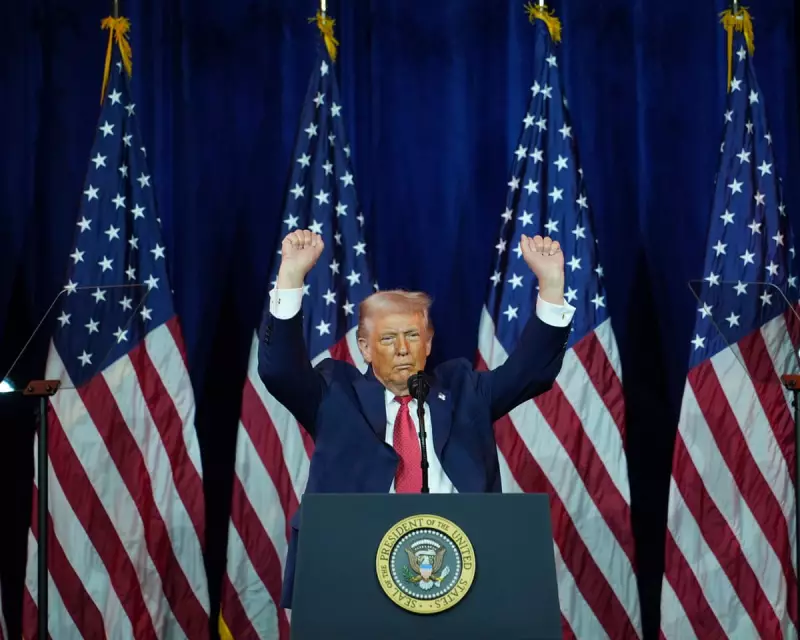
The week culminated in perhaps the most revealing statement. In an interview with the New York Times, President Trump stated that the only constraint on his power was "My own morality. My own mind. It’s the only thing that can stop me." He displayed a wholesale disregard for international law and a conditional, at best, respect for domestic judicial checks.
This honest self-assessment—that of a global emperor rather than a constitutionally bound president—presents a clear challenge to opponents. While Trump may believe US military supremacy is unchallengeable by any single nation, European powers possess collective leverage. More directly, the US electorate holds a powerful tool: the November midterm elections. Winning back the House of Representatives could impose immediate curbs on executive power. The response, both internationally and domestically, requires overcoming fear, building coalitions, and confronting this unprecedented political reality with clear-eyed honesty.