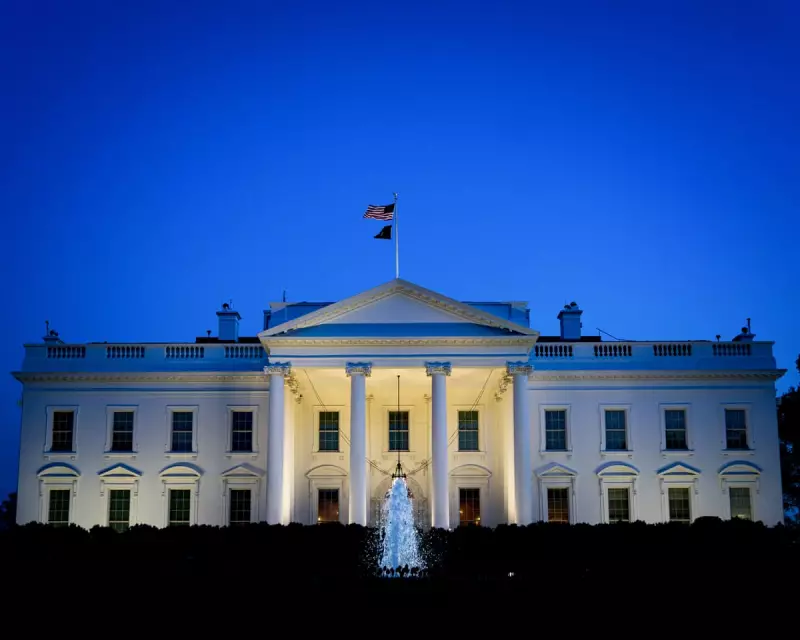
As the clock ticked down on his presidency, Donald Trump orchestrated a final, frenetic day of activity from the White House, wielding his executive power in ways that are set to reverberate long after his departure. The 31st of December 2025 was marked by a sweeping series of controversial pardons and a last-minute push to cement policy directives, actions that have drawn swift condemnation and promised legal battles.
A Wave of Controversial Clemency
The most significant action of the day was the issuance of a substantial batch of presidential pardons and commutations. This clemency list included several high-profile individuals convicted of crimes directly connected to Trump's own political orbit and business dealings. Among those reportedly granted pardons were former aides convicted during the investigations into the 2016 election, as well as associates linked to financial crimes. The move has been widely interpreted as an effort to shield allies and potentially himself from future legal jeopardy, bypassing the traditional Department of Justice review process.
Legal experts and political opponents were quick to criticise the pardons as an abuse of executive power, arguing they undermined the rule of law and the principle of equal justice. The breadth and nature of the pardons are expected to face intense scrutiny and could fuel ongoing congressional investigations.

Last-Minute Policy Directives and Tensions
Parallel to the pardon announcements, the outgoing administration rushed to finalise and sign a number of executive orders and policy memoranda. These eleventh-hour directives targeted a range of regulatory and foreign policy areas, aiming to lock in the administration's agenda and create obstacles for the incoming Biden-Harris team. Reports indicate moves concerning environmental regulations, immigration enforcement, and trade policy were among those pushed through.
The atmosphere within the White House was described as tense and chaotic, with some staffers reportedly reluctant to carry out certain final orders. The rapid pace and contentious nature of these decisions highlighted the deep divisions and unprecedented circumstances of the presidential transition period.
Immediate Fallout and Lasting Consequences
The repercussions of this final day are manifold. Politically, it has poured fuel on the fire of partisan conflict, with Democratic leaders vowing to examine the legality of the pardons and to swiftly reverse many of the policy moves. The events have also sparked fresh debates about the limits of presidential pardon power and the need for potential reforms.
Legally, the pardons may close federal cases but do not offer protection against state-level prosecutions, leaving several beneficiaries in potential legal peril. Furthermore, the aggressive policy moves will force the new administration to spend crucial early time and political capital on reversals rather than on its own proactive agenda.
Historians note that while outgoing presidents often issue pardons, the scale, personal nature, and timing of Trump's final actions place them in a unique category, ensuring that 31 December 2025 will be remembered as a contentious and norm-shattering conclusion to a deeply polarising presidency. The full impact on institutions and political discourse will unfold in the weeks and months to come.