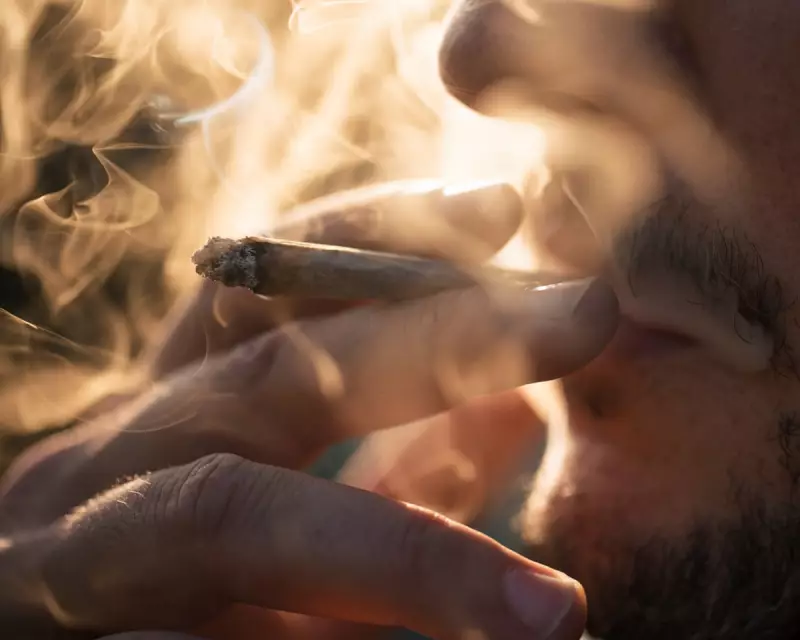
In a historic political pivot, the most significant overhaul of United States federal drug policy in over half a century appears poised to be enacted not by a progressive Democrat, but by a Republican president. Former President Donald Trump has confirmed he is "very strongly" considering downgrading cannabis from its current status, a move that would fundamentally reshape the nation's approach to the substance.
The Unlikely Architect of Change
For generations, cannabis reform was largely championed by the political left, viewed with deep scepticism by conservatives. The phrase "war on drugs" is indelibly linked to Republican leaders from Richard Nixon to the Bushes. As recently as 2023, senior Republican Mitch McConnell reinforced this stance, criticising Democrats and insisting "drugs belong off our streets." Yet, the landscape is shifting dramatically under Trump's potential second term.
The proposed change involves moving cannabis, or marijuana, from Schedule I of the Controlled Substances Act—a category for substances with "no accepted medical use" and a high abuse potential, shared with heroin—to Schedule III. This new classification would place it alongside drugs like codeine, acknowledging medical applications and easing research restrictions.

Domestic Liberalisation vs. Foreign Aggression
This domestic liberalisation presents a stark contrast to Trump's concurrent rhetoric and actions abroad. In recent weeks, he has threatened to escalate bombing raids on vessels from Venezuela and Colombia, accusing them of drug trafficking, and used a UN address to warn traffickers: "we will blow you out of existence." This dichotomy begs the question: why soften drug laws at home while ramping up the drug war overseas?
Analysts suggest the rescheduling move is less about social justice—redressing the devastation wrought on minority communities and producer nations—and more aligned with Trump's "America First" doctrine. His stated rationale focuses on enabling "tremendous amounts of research." Crucially, the shift is driven by powerful economic incentives. A multi-billion dollar cannabis industry has flourished under state-level reforms, and rescheduling would grant these businesses access to standard tax deductions, removing burdensome restrictions under IRS Code section 280E. News of the potential change previously caused cannabis stocks to surge by up to 54%.
The Limits of Rescheduling
It is vital to understand what this policy change does not do. Rescheduling is not legalisation or decriminalisation. The vast architecture of criminalisation—including arrests, deportations, mandatory drug tests, and exclusions from public housing or student loans—remains intact. Individuals will continue to serve prison sentences for cannabis trafficking even as corporate cannabis attracts significant investment.
With several Silicon Valley figures in Trump's orbit having invested in commercial cannabis and psychedelics, the financial impetus for domestic reform is clear. Internationally, no such commercial benefit exists, allowing for continued aggressive, mercantilist posturing. For genuine progress, cannabis would need complete removal from the Controlled Substances Act. Meaningful reparations would require policies to tax and reinvest a substantial portion of legal cannabis profits into the communities, both in the US and Latin America, that have suffered most from decades of prohibition.
While Trump's move away from the "Reefer Madness" era is notable, it remains a policy that prioritises commercial interests over profound social justice. The long-awaited change, arriving via an unlikely political vehicle, revolutionises the legal framework but falls short of ending the war it began.