Trump's Tariff Proposals Spark Heated Debate in Georgia
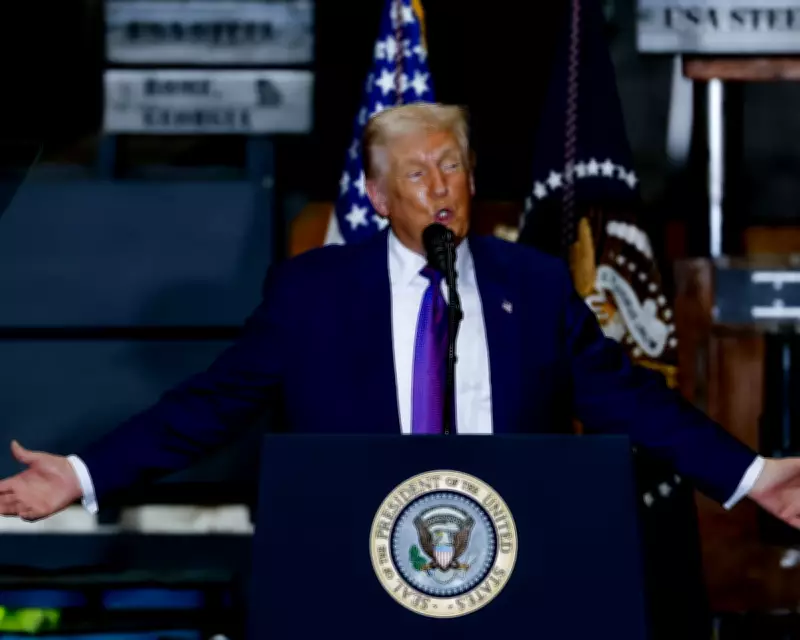
Former President Donald Trump's renewed push for aggressive tariff policies has ignited a fierce political and economic debate in Georgia, with state officials, business leaders, and voters closely examining the potential consequences. As Georgia positions itself as a critical battleground in upcoming national elections, the discussion around tariffs has taken on heightened significance, reflecting broader tensions over trade, economic sovereignty, and political strategy.
Economic Concerns and Political Reactions
In Georgia, a state with a diverse economy spanning agriculture, manufacturing, and technology, Trump's tariff plans have prompted widespread concern. Local business associations warn that increased tariffs could lead to higher costs for imported goods, potentially stifling growth and increasing prices for consumers. Political analysts note that this issue is particularly sensitive in Georgia, where economic stability often influences voter sentiment and electoral outcomes.
State lawmakers from both major parties have voiced mixed reactions. Some Republican allies of Trump support the tariffs as a means to protect domestic industries and challenge global trade practices, while Democrats and some moderate Republicans argue that such measures could harm Georgia's export-dependent sectors and strain international relations. The debate underscores the complex interplay between national policy and local economic interests, with many in Georgia calling for a balanced approach that considers both protectionist goals and free trade benefits.
Impact on Georgia's Business and Agricultural Sectors
Georgia's agricultural community, a cornerstone of the state's economy, has expressed particular apprehension. Farmers fear that retaliatory tariffs from other countries could reduce demand for Georgia-grown products like peanuts, poultry, and pecans, leading to financial losses and market instability. Similarly, manufacturing firms in the state, which rely on imported materials, worry about increased production costs and potential job cuts if tariffs are implemented.
- Business leaders emphasize the need for careful analysis of tariff effects on supply chains and competitiveness.
- Economic forecasts suggest that while tariffs might boost some local industries, they could also trigger inflation and reduce consumer spending power.
- Political campaigns in Georgia are increasingly focusing on trade issues, with candidates using tariff debates to appeal to different voter bases.
Broader Political Implications and Future Outlook
The tariff discussion in Georgia is not just an economic matter but a pivotal political issue that could shape election dynamics. As Trump and other political figures campaign in the state, their stance on tariffs is likely to be a key point of contention, influencing voter support and policy debates. Observers predict that this topic will remain at the forefront of Georgia's political discourse, especially as national elections approach and economic uncertainties persist.
Looking ahead, Georgia's response to Trump's tariff proposals may serve as a bellwether for broader national trends, highlighting how local economies navigate the challenges of global trade policies. Whether these tariffs are implemented or modified, their impact on Georgia will be closely watched by policymakers, businesses, and citizens alike, reflecting the ongoing evolution of American trade strategy in a complex global landscape.