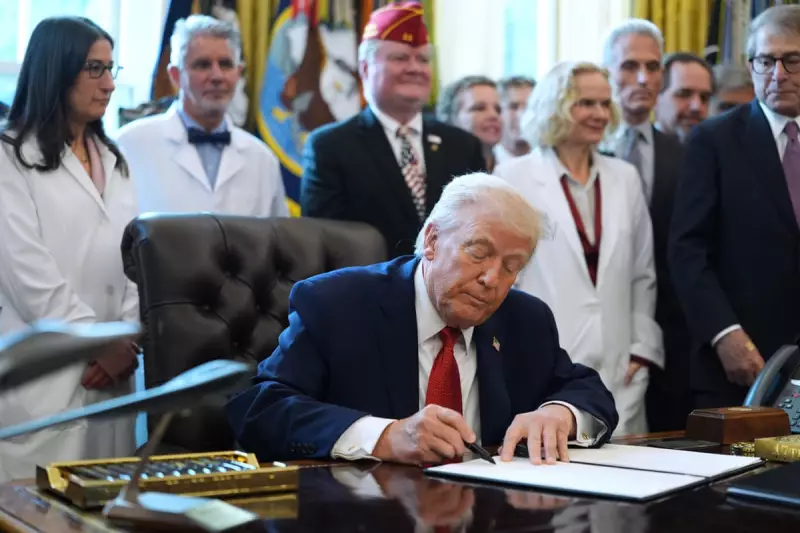
In a landmark move for US drug policy, President Donald Trump has enacted a significant change to the federal status of cannabis. On Thursday, 18 December 2025, at the White House, Trump signed an executive order to initiate the process of reclassifying marijuana as a less dangerous substance.
A Move from Schedule I to Schedule III
The core of the executive action is to shift marijuana from its current classification as a Schedule I controlled substance—a category reserved for drugs deemed to have no accepted medical use and a high potential for abuse, such as heroin—to the less restrictive Schedule III. This category includes substances like ketamine and certain prescription pain medications that are recognised as having legitimate medical applications.
"I’m pleased to announce that I will be signing an Executive Order to reschedule marijuana from a Schedule I to a Schedule III controlled substance with legitimate medical uses," President Trump stated during the signing ceremony, which was documented by photographer Evan Vucci for the Associated Press.

What the Reclassification Means in Practice
Senior administration officials, briefing reporters including those from the New York Times, were keen to clarify the order's scope. Crucially, this move does not legalise marijuana for recreational use at the federal level. Law enforcement agencies will continue to handle arrests based on existing federal law concerning non-medical use.
However, the implications are still profound. The reclassification is poised to:
- Facilitate scientific research into cannabis, which has been severely hampered by its Schedule I status.
- Ease the financial burden on state-legal cannabis businesses by reducing punitive federal tax regulations under IRS code 280E.
- Improve the industry's access to banking and financial services, a major hurdle for legal operators.
- Allow for a new pilot programme that will reimburse Medicare patients for products containing CBD, a non-intoxicating cannabis compound.
The Path Forward and Broader Significance
It is important to note that the executive order sets the process in motion, but the final reclassification must still undergo the Drug Enforcement Administration's (DEA) formal rule-making procedure, which includes periods for public comment.
This policy shift represents a long-awaited federal acknowledgment of the changing landscape surrounding cannabis. For decades, marijuana's designation as a highly dangerous drug has faced intense criticism from medical professionals, researchers, and a growing majority of the public. Moving it to Schedule III reflects an official recognition of its medical benefits and a lower potential for abuse compared to more dangerous narcotics.
While stopping short of the full legalisation enacted by numerous individual states, Trump's order marks the most substantial step in modern US history toward reconciling federal law with the widespread acceptance and use of cannabis for both medical and, in many jurisdictions, recreational purposes.