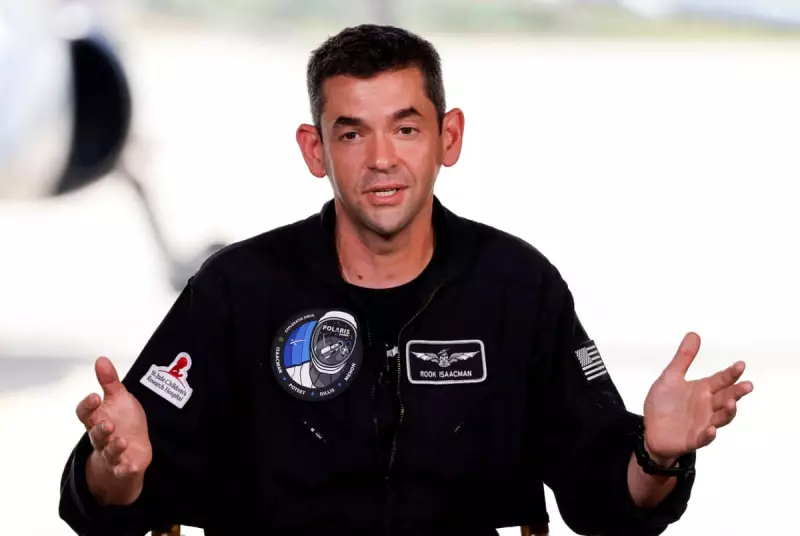
In a dramatic political reversal, former President Donald Trump has renominated billionaire private astronaut Jared Isaacman to lead NASA, setting the stage for a contentious confirmation hearing before the US Senate.
From Political Black Hole to Presidential Favour
The journey of Jared Isaacman, commander of the private Polaris Dawn spaceflight mission, back into Trump's orbit is a tale of ambition and shifting alliances. Having been initially nominated and then abruptly dropped in May, Isaacman's star has risen once more. His initial dismissal followed the discovery of past political donations to Democrats, including Senator Mark Kelly, which Trump deemed not "mission aligned."
Many observers, however, linked the snub to a then-ongoing feud between Trump and SpaceX founder Elon Musk, a vocal advocate for his friend Isaacman. With that feud now resolved, the path was cleared for a remarkable comeback, driven by a president fixated on planting the US flag on the moon before leaving office in January 2029.

A Power Struggle and a Vision for NASA's Future
Isaacman's renomination earlier this month emerged from an intense internal power struggle. He prevailed over acting NASA administrator Sean Duffy, who also serves as Transportation Secretary. Duffy had angered the White House by announcing a re-bid for a crucial moon lander contract already awarded to SpaceX, arguing the company was moving too slowly.
This move backfired spectacularly, prompting a furious defence from Elon Musk, who publicly derided Duffy. Isaacman, in contrast, argued in meetings with Trump to press ahead with the existing Artemis moon programme and the SpaceX Human Landing System (HLS) without delay. His confidential "Project Athena" memo, leaked to Politico, outlines a radical vision for NASA's future, involving large-scale outsourcing of missions to commercial operators like SpaceX.
Isaacman's plan proposes that after the initial Artemis moon landing, NASA should scrap its own expensive Space Launch System (SLS) rocket and entrust future lunar and Mars missions to fully reusable commercial vehicles like SpaceX's Starship.
Budget Cuts and a Singular Lunar Focus
The landscape for Isaacman's second hearing is markedly different from his first in April. The Trump administration has since proposed slashing NASA's budget by 24% to $18.8bn, its lowest level in a decade, with deep cuts to science missions. This shift underscores a singular focus on achieving a symbolic lunar return before China.
"The drum beat for America to get back on the moon before China gets there has just grown louder and louder since April," noted space policy analyst Marcia Smith. She suggests this "flags and footprints" priority may come at the expense of sustainable lunar exploration and NASA's broader scientific ambitions.
When he testifies, Isaacman is certain to face tough questions from Senate Democrats about his financial ties to SpaceX, revealed in disclosure reports, and the details of his outsourced vision for the space agency. Despite the controversies, his nomination represents a potential watershed moment, aiming to accelerate private industry's role in the final frontier while racing against the clock to secure a presidential legacy on the lunar surface.