Trump Administration Warns Halting $400M White House Ballroom Poses Security Risk
Donald Trump's administration is urgently arguing that a federal judge's order to halt construction of a $400 million White House ballroom creates a significant security risk for the U.S. president, as officials seek to pause the ruling through a federal appeals court. In a motion filed on Friday, lawyers from the U.S. National Park Service (NPS) asserted that the suspension of the new facility's construction threatens grave national-security harms to the White House, the president and his family, and presidential staff.
National Security Concerns and Legal Battle
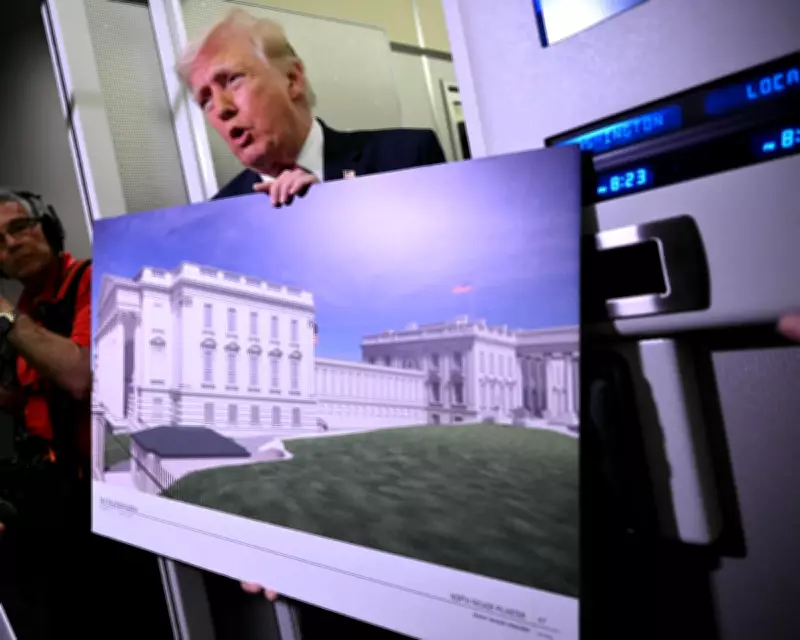
The NPS lawyers emphasized that time is of the essence, citing materials intended to create a heavily fortified facility. According to the filing, the ballroom project includes bomb shelters, military installations, and a medical facility, all part of Trump's broader plans to rapidly remake Washington. U.S. District Judge Richard Leon in Washington ordered a temporary pause on the construction project, which involves demolishing the White House's East Wing, concluding that without congressional approval, the preservationist group suing to stop it is likely to succeed because no statute grants the president such authority.
Judge Leon, nominated by Republican President George W. Bush, suspended enforcement of his order for 14 days, acknowledging the administration's intent to appeal. He noted that halting an ongoing construction project may raise logistical issues but reviewed privately submitted government information to determine that stopping construction would not jeopardize national security. The injunction exempts any work necessary for the safety and security of the White House.

Administration's Arguments and Public Response
Trump criticized the ruling but acknowledged it allows continued work on underground bunkers and other security measures around the White House grounds, funded by taxpayers. Trump has pledged that he and private donors will cover the ballroom construction costs. However, the NPS motion argues that the president has complete authority to renovate the White House and that the current open construction site makes protection more difficult, stating that canvas tents, used without a ballroom, are significantly more vulnerable to missiles, drones, and other threats than a hardened national security facility.
The Trump administration has requested the appeals court to decide on its motion by Friday and to extend the 14-day suspension by another two weeks to potentially take the case to the U.S. Supreme Court. This legal clash coincides with final approval from a key agency tasked with approving construction on federal property in the Washington region, highlighting the ongoing tension between presidential authority and judicial oversight in major infrastructure projects.