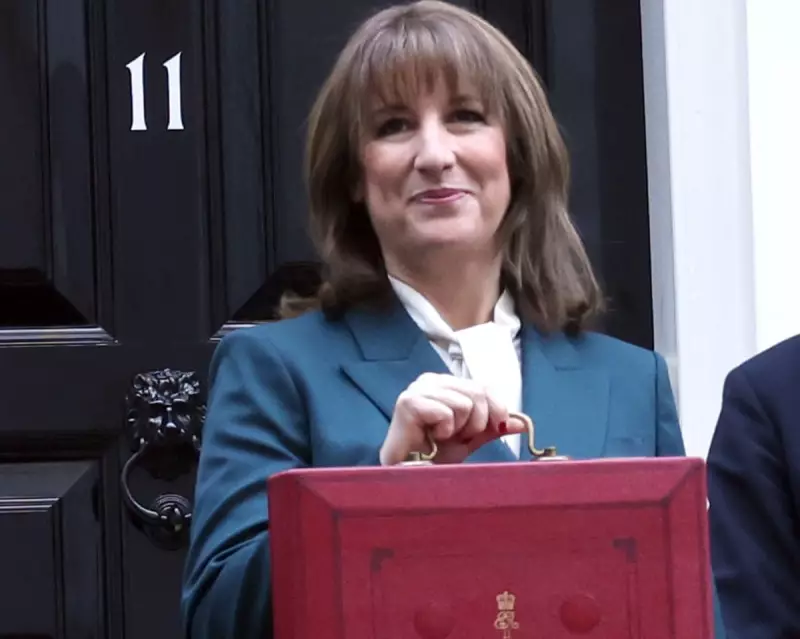
The Treasury has initiated a formal investigation into a series of damaging leaks that preceded Chancellor Rachel Reeves's autumn budget statement, an event the Conservative opposition has labelled an attempt to manipulate public opinion.
Chaotic Buildup to Key Announcements
The inquiry was confirmed by Treasury Minister James Murray, who stated that the department's permanent secretary, James Bowler, would conduct a review of security processes. This follows a highly disorderly period before the budget on 26 November, during which major policy details were reported by the media.
Key measures that were leaked included a freeze on income tax thresholds, proposals for a pay-per-mile levy on electric vehicles, and changes to the so-called tourist tax. James Murray emphasised the government's commitment to budget security, stating, "A leak inquiry is now under way with the full support of the chancellor and the whole Treasury team."

Political Fallout and Criticism
The Conservative Party has seized on the leaks, claiming they were orchestrated. Kemi Badenoch, the Conservative leader, told the Commons during Prime Minister's Questions that if Chancellor Reeves were a corporate CEO, "she would have been fired and might even have been prosecuted for market abuse."
Parliamentary authorities also expressed dismay. The Speaker of the House, Sir Lindsay Hoyle, criticised the pre-briefing, dubbing it the "hokey-cokey budget" and reiterating that policy should be announced first to MPs. Furthermore, the Chair of the Treasury Select Committee, Meg Hillier, questioned whether anyone would be held accountable, referencing the recent resignation of Richard Hughes as chair of the Office for Budget Responsibility (OBR) over a separate premature publication.
Broader Concerns from Watchdogs and Business
The OBR had itself raised concerns about the pre-budget information flow. Professor David Miles of the OBR's budget responsibility committee told MPs that the volume of press speculation was "not particularly helpful" from their perspective.
The leaks have also drawn criticism from the business community. Michael Summersgill, CEO of investment broker AJ Bell, reported that the uncertainty led some customers to make early withdrawals from their pension savings. He warned that without long-term tax commitments, such disruptive speculation would recur before every future budget.
While the Treasury inquiry proceeds, Minister Murray has declined to speculate on its outcome. The episode has cast a shadow over the chancellor's first major fiscal event, highlighting the intense political and economic sensitivities surrounding budget secrecy.