
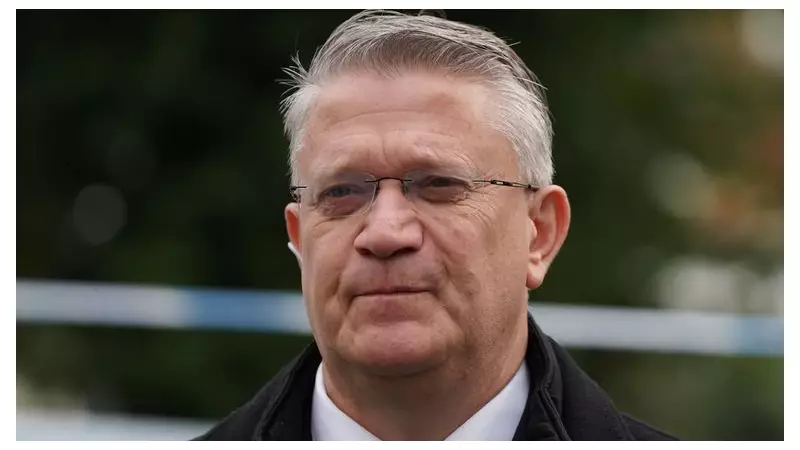
The Conservative Party has been rocked by a second high-profile defection in just seven days, as Romford MP Andrew Rosindell crossed the floor to join Nigel Farage's Reform UK.
A Loyal Tory Since 14 Jumps Ship
Andrew Rosindell announced his resignation on Sunday evening, 18 January 2026, stepping down from his role as a shadow foreign office minister and ending his membership of the Conservative Party. This move comes just days after former immigration minister Robert Jenrick made the same switch, bringing Reform UK's total number of MPs to seven.
In a statement, Rosindell, who first joined the Tories at the age of 14 and has been the MP for Romford since 2001, said the time had come to put "country before party". He cited the Conservative Party's failure, both in government and opposition, to adequately address issues of British sovereignty and Chagossian self-determination as his "clear red line".
Echoes of Jenrick's Damning Critique
The defection is particularly damaging for Tory leader Kemi Badenoch as Rosindell's reasoning mirrors the devastating critique levelled by Robert Jenrick. Jenrick had labelled his former party "rotten" and claimed it was bound to past mistakes. Rosindell echoed this sentiment, stating he believed the party was "unwilling to take meaningful accountability".
This public airing of grievances amplifies attacks from the Labour Party and places Badenoch in an increasingly uncomfortable position. Just last Friday, she told Sky News her party was more united following Jenrick's departure and insisted no other shadow cabinet members would follow. While Rosindell was not in the shadow cabinet, his defection as a long-serving junior minister undermines that claim of stability.
Political Fallout and Party Reactions
Reform UK leader Nigel Farage and new recruit Robert Jenrick both welcomed Rosindell, describing him as a "patriot". The party has set a deadline of 7 May 2026—the date of crucial local elections—for current and former MPs to defect, creating a clear window for further potential departures.
The Conservative response was scathing. A party source claimed Rosindell had threatened to defect for months and said, "The Conservative Party supported Rosindell throughout his many troubles, and he's responded by stabbing his friends, colleagues and activists in the back. Reform are welcome to him."
Other parties were quick to comment. Labour Party chairwoman Anna Turley said the "stench of a failed and dying Tory party engulfs Reform", while a Liberal Democrat spokesperson dismissed the move as merely "a change of rosette for a career politician worried about getting a P45".
The consecutive defections of Nadhim Zahawi, Robert Jenrick, and now Andrew Rosindell represent a significant challenge to Kemi Badenoch's authority. With Reform's parliamentary presence growing by 40% since the start of the year and a clear deadline for further defections now in place, the political momentum appears to be shifting away from the Conservatives.




