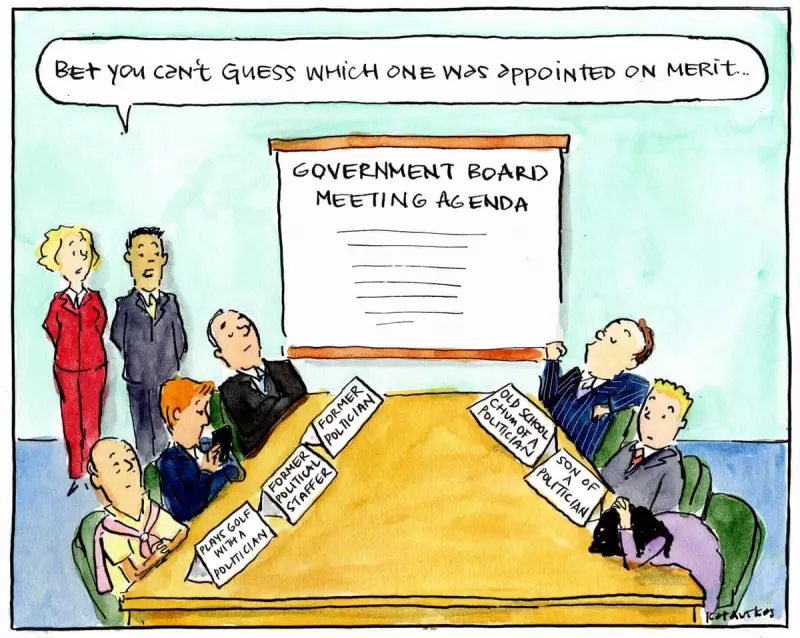
For many in Britain's professional circles, securing a position on a government board represents a prestigious pinnacle of a career. It's a chance to shape policy, influence public spending, and serve the nation. Yet, the pathway to these coveted roles often seems shrouded in mystery, accessible only to a select few with the right connections or inexplicable luck.
The Opaque World of Public Appointments
The process for appointing individuals to the hundreds of boards overseeing public bodies, from arts councils to infrastructure agencies, is governed by a framework designed to ensure merit and fairness. In theory, vacancies are publicly advertised, and candidates are assessed by an independent panel. However, the reality experienced by many applicants feels far removed from this ideal of transparent meritocracy.
Stories abound of highly qualified candidates submitting extensive applications into a digital void, never to hear a word back. Others describe interview processes that feel like a formality, with the true decision having been made long before. The system, while structured, is frequently perceived as a labyrinine game where the rules are known only to an insider few.

Unwritten Rules and the 'Right Sort' of CV
Scrutiny often falls on the composition of these boards, which can appear homogenously populated by individuals from similar social, educational, and professional backgrounds. Critics argue this leads to groupthink and a detachment from the wider public the boards are meant to serve. The question lingers: are appointments truly based on the best mix of skills and experience, or on a nebulous concept of being the 'right sort of person'?
Key to cracking the code is understanding that relevant expertise is just one part of the puzzle. A demonstrable understanding of public sector accountability, governance, and the specific challenges facing the body in question is paramount. Yet, equally weight is often given to softer, less tangible factors like personal endorsements and perceived 'boardroom fit'.
Reforming the Pathway to Public Service
Calls for reform have persisted for years. Transparency campaigners and some parliamentarians demand clearer reporting on applicant demographics, interview panels, and the final decision-making rationale. The aim is to dismantle the perception of a closed shop that perpetuates the status quo.
Proposed solutions include more proactive outreach to underrepresented professions and regions, mentoring schemes to demystify the process for first-time applicants, and stricter enforcement of the governance code for public appointments. The fundamental goal is to transform the system from a baffling puzzle into a genuine, accessible route for talented individuals from all walks of British life to contribute to national life.
Until such reforms gain more traction, the journey to a government board will likely remain a frustrating enigma for many. It is a process that tests not only one's professional credentials but also one's patience and perseverance in navigating the often-impenetrable corridors of power in Westminster and beyond.