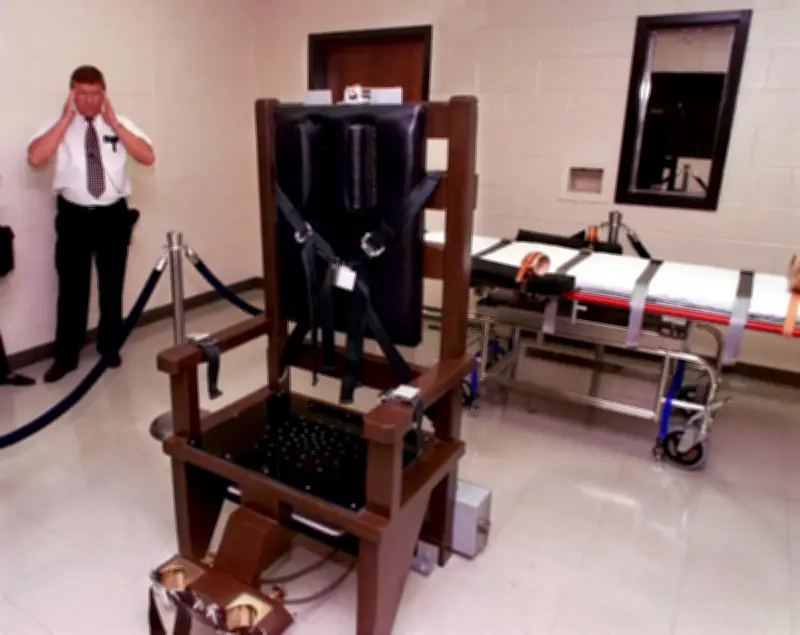
Tennessee carried out the execution of a man on Wednesday, August 12, 2026, after the U.S. Supreme Court denied a last-minute stay of execution. The man, identified as [Name], was pronounced dead at 7:47 p.m. local time at the Riverbend Maximum Security Institution in Nashville.
Background of the Case
[Name] was convicted of the 1997 murder of [Victim] and had been on death row for over 25 years. His legal team had filed multiple appeals, citing concerns over the state's lethal injection protocol and alleged intellectual disability. The Supreme Court's decision came just hours before the scheduled execution, with no explanation given.
This execution was the first in Tennessee since 2009, as the state had faced legal challenges and a shortage of execution drugs. The state used a single dose of pentobarbital, a drug that has been used in several other states.
Legal and Public Reactions
Governor [Governor's Name] declined to intervene, stating that the courts had thoroughly reviewed the case. The victim's family released a statement saying they felt a sense of closure after years of waiting. However, death penalty opponents gathered outside the prison, holding vigils and calling for an end to capital punishment.
According to the Death Penalty Information Center, Tennessee has executed 132 people since 1916, with this being the first in the modern era to use a single-drug protocol.
Impact and Next Steps
The execution has reignited debates over the death penalty in Tennessee, with lawmakers on both sides of the aisle expressing opinions. Some have called for a review of the state's execution methods, while others argue that the judicial process was fair and just. The state has scheduled no further executions, as it reviews its supply of lethal injection drugs.