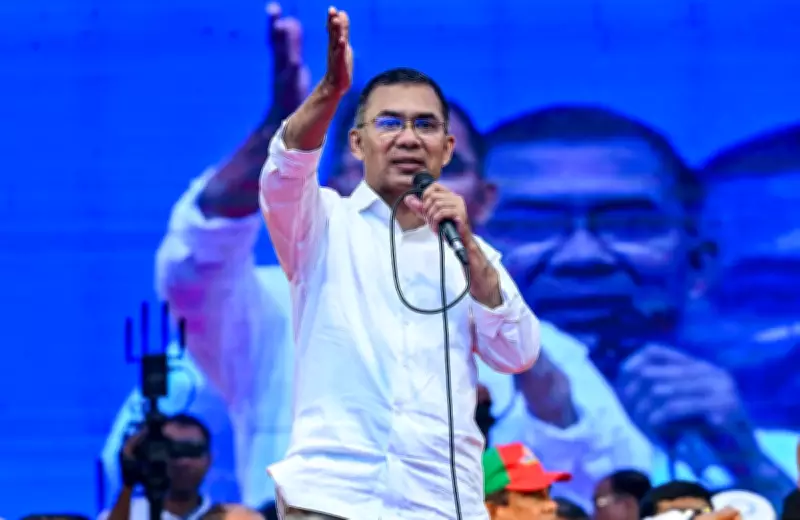
Bangladesh's political arena is currently gripped by intense anticipation and uncertainty as the Bangladesh Nationalist Party (BNP), under the leadership of Tarique Rahman, navigates a complex web of challenges in the lead-up to the forthcoming national election. The party, a major opposition force, is grappling with significant legal and organizational obstacles that could profoundly impact its electoral prospects and reshape the country's democratic dynamics.
Legal Hurdles and Leadership Struggles
The BNP, historically a key player in Bangladeshi politics, finds itself in a precarious position due to ongoing legal battles involving its acting chairman, Tarique Rahman. Rahman, who resides in exile, faces multiple charges that have cast a long shadow over the party's campaign efforts. These legal issues not only threaten his ability to participate directly in the election but also undermine the BNP's credibility and operational capacity on the ground.
Organizational Disarray and Internal Conflicts
Compounding the legal woes, the BNP is reportedly experiencing internal strife and disorganization, which has hampered its ability to mobilize supporters effectively. The party's structure has been weakened by years of political repression and factional disputes, leading to a lack of cohesive strategy and unity among its ranks. This disarray is particularly evident in rural areas, where grassroots support is crucial for electoral success.

Election Environment and Government Influence
The upcoming election is set against a backdrop of heightened political tension, with the ruling Awami League government exerting considerable influence over the electoral process. Critics argue that state institutions, including the election commission, are biased, creating an uneven playing field for opposition parties like the BNP. This environment raises concerns about the fairness and transparency of the vote, potentially affecting voter turnout and public trust in the outcome.
Public Sentiment and Economic Factors
Amid these challenges, public sentiment in Bangladesh is mixed, with many citizens expressing frustration over economic issues such as inflation and unemployment. The BNP has sought to capitalize on this discontent by highlighting governance failures, but its message is often drowned out by the legal and organizational crises. The party's ability to connect with voters on economic grounds remains a critical factor in its electoral strategy.
International Scrutiny and Diplomatic Pressures
The situation has attracted international attention, with foreign governments and human rights organizations closely monitoring the election process. There are calls for free and fair elections, and diplomatic pressures may influence the conduct of the vote. However, the BNP's internal weaknesses limit its capacity to leverage international support effectively, leaving it vulnerable to further marginalization.
In summary, Tarique Rahman's BNP is confronting a multifaceted crisis as Bangladesh approaches its next election. Legal entanglements, organizational fragmentation, and a challenging political environment pose significant threats to the party's viability. The outcome of this election could have lasting implications for Bangladesh's democracy, depending on how these issues are resolved in the coming months.