The Great Table Tax Debate: Should Restaurants Pay for Outdoor Seating?
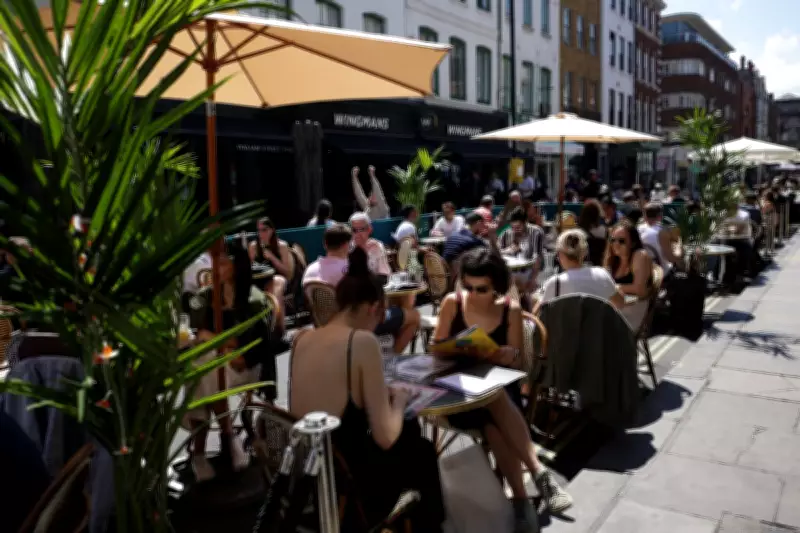
The controversy surrounding so-called "table tax" fees for outdoor dining has intensified, sparking a nationwide discussion about balancing business interests with public accessibility. Pavement licenses require restaurants to pay for placing tables and chairs outside their establishments, with fees varying significantly across different regions.
YES: Scrap the Table Tax to Revitalize High Streets
Kitty Thompson, head of campaigns at the Conservative Environment Network, argues that eliminating these fees would provide an immediate nationwide boost to struggling high streets and small businesses. With hospitality margins already squeezed from multiple directions, charging hundreds or even thousands of pounds for basic outdoor seating arrangements seems counterproductive to economic recovery.
The current system creates unnecessary bureaucracy that small business owners simply don't have time to navigate. Instead of filling out forms and navigating complex application processes, these entrepreneurs should be focusing on serving customers and contributing to local economic growth.

"Vibrant town centers are not created by Whitehall funding pots," Thompson emphasizes, "but by lowering the barriers to everyday enterprise." Outdoor seating transforms streets into communities, increases foot traffic, and makes public spaces more inviting places where people want to spend their time and money.
Thompson points to the inconsistent fee structure as evidence of the system's flaws. While some London borough councils charge nothing for pavement licenses, others demand up to £1,400 annually. For independent operators, this cost can determine whether they expand their capacity or remain stagnant.
"As long as the pavement remains safe and accessible," Thompson contends, "the hospitality industry is actually doing their community and council a favor by putting tables and chairs outside."
NO: Keep the System to Protect Accessibility Rights
Nick Birko-Dolder, a campaigns consultant, presents the opposing view that retaining pavement license fees is essential for protecting disabled people's right to move safely and independently through public spaces. This perspective emphasizes that what might seem like minor inconveniences to some—cluttered pavements, blocked routes, street furniture—can make everyday journeys difficult, unsafe, or impossible for wheelchair users and visually impaired pedestrians.
Research from 2022 revealed that 84 percent of disabled people reported serious street-access problems in their local areas, with 60 percent stating these barriers prevented them from living independently. A 2023 inquiry by Sustrans and Transport for All reinforced these concerns, finding that 41 percent of disabled people regularly struggle to reach destinations due to inaccessible streets, with outdoor dining explicitly highlighted as part of the growing pavement clutter problem.
"The current system already gets the balance right," Birko-Dolder argues. In England, pavement licenses are permanent, fast-tracked, and fee-capped, making them workable for businesses while still requiring clear, unobstructed pathways wide enough for wheelchair users and safe for visually impaired navigation.
Crucially, councils maintain oversight powers to impose conditions, revoke licenses, and remove non-compliant setups. "That oversight is not red tape," Birko-Dolder insists, "it is what ensures public spaces remain usable for everyone and reinforces that accessibility is not optional."
The Verdict: Balancing Competing Priorities
With London temperatures reaching 24 degrees Celsius, the timing of the Conservative Environment Network's campaign against table tax fees couldn't be more appropriate. The appeal of enjoying a drink or meal in the sunshine is undeniable, and outdoor dining clearly contributes to vibrant street life.
However, valid arguments exist for maintaining the current pavement license system. Pavements serve multiple functions beyond dining spaces—they are essential travel routes for pedestrians, particularly those with disabilities. The conversion of public space for private enterprise raises legitimate questions about whether fees should apply for such usage.

Currently, councils can charge up to £500 for new license applications and £350 for renewals lasting approximately two years—amounts many consider reasonable given the benefits businesses receive. While "table tax" makes for a catchy campaign name, the hospitality industry faces more significant challenges that deserve attention.
The debate ultimately centers on finding the right balance between supporting businesses, creating vibrant public spaces, and ensuring accessibility for all citizens. As this discussion continues, policymakers must weigh economic considerations against social responsibility and public safety concerns.